

WeVote

Bill

Bill

SB 2822

Alcohol permits; limit disqualifying felony convictions to crimes of violence or violations of controlled substance laws.

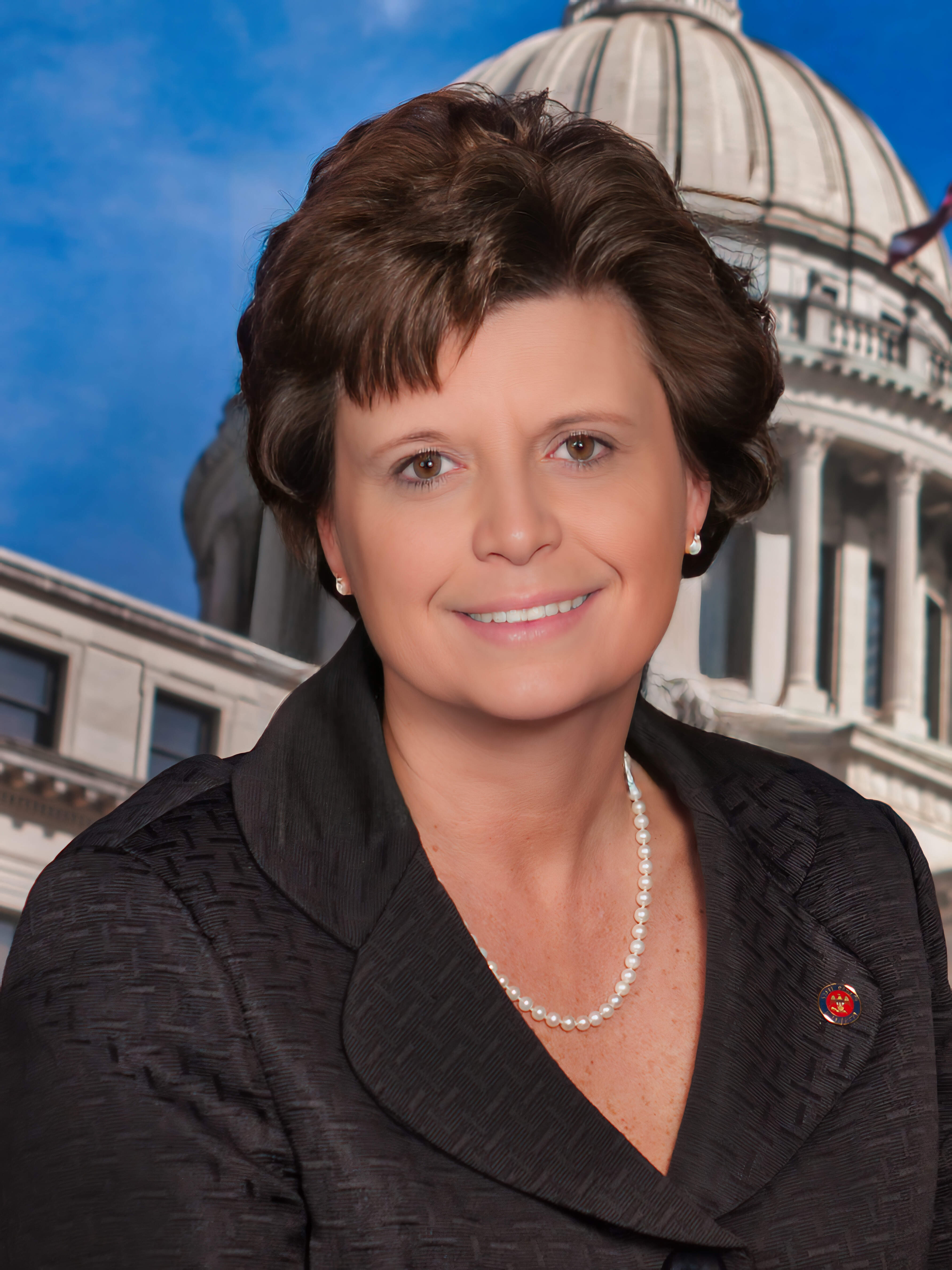
2025 Regular Session Introduced by Rita Parks and 2 co-sponsors

SB 2822 would narrow automatic disqualifications for alcohol permits to only violent felonies and controlled substance offenses, expanding eligibility for many applicants.

Died On Calendar
0
WeVote Research Nonpartisan
Bill Summary · SB 2822

SB 2822 — Summary

Status: Died on Calendar (record shows Died On Calendar 2025-03-12).
Introduced: March 14, 2025.
Subject areas: Accountability, Efficiency, Transparency; Finance; State Affairs.

Main purpose

SB 2822 would narrow the category of felony convictions that automatically disqualify a person from holding an alcohol permit. Under the bill, only felony convictions that are (1) crimes of violence or (2) violations of controlled substance laws would remain disqualifying; other felony convictions would no longer be automatic bars to obtaining or holding an alcohol permit.

Key provisions (as described by the bill title)

  • Limits statutory disqualification for alcohol permits to:
    • Felony convictions classified as crimes of violence; and
    • Felony convictions for violations of controlled substance laws.
  • Removes other felony convictions (e.g., certain property, fraud, or regulatory felonies) as automatic disqualifiers for alcohol licensing.
  • Presumably applies to permit applicants and (depending on bill text) renewals; the publicly provided summary does not include precise language on retroactivity, grandfathering of current permit holders, or administrative procedures.

Note: The full bill text was not provided. Exact statutory amendments, definitions (for example, how “crime of violence” or “controlled substance violation” are defined), effective date, and whether licensing agencies would gain rulemaking authority are not available in the summary record.

Who would be affected

  • Primary beneficiaries: Individuals with non‑violent, non‑drug-related felony convictions seeking employment in the alcohol industry or ownership/management of licensed alcohol businesses.
  • Alcohol regulatory agencies (state alcohol control boards/commissions): would need to update licensing criteria, background-check procedures, and application review guidance.
  • Businesses that hire or license managers/operators in establishments serving alcohol: expanded applicant pool.
  • Public safety, law‑enforcement, and public-health stakeholders: may raise concerns or monitor impacts on alcohol-related harms.
  • State finances: could lead to a modest change in licensing fee revenue if permit issuance increases; administrative workload for licensing agencies may change.

Policy rationale and potential impacts

  • Intended to reduce employment/licensing barriers for people with certain felony records and support reentry and economic opportunity.
  • May increase permit applications and broaden workforce availability in retail and hospitality sectors.
  • Possible concerns about public safety and alcohol-related risks could prompt condition-based approvals, increased oversight, or tailored disqualifiers in rulemaking.

Legislative history / procedural timeline (as recorded)

  • 2025-01-20: Referred to Finance
  • 2025-02-04: Title Sufficient — Do Pass (Committee Substitute)
  • 2025-02-11: Committee Substitute Adopted; Passed
  • 2025-02-12: Transmitted to House
  • 2025-02-14: Referred to State Affairs; Accountability, Efficiency, Transparency
  • 2025-03-04: Title Sufficient — Do Pass As Amended (committee actions recorded)
  • 2025-03-11: Read the Third Time
  • 2025-03-12: Died On Calendar (final status reported)
  • Additional action entries in April 2025 appear in the record but conflict with the reported final status.

If you need, I can:
- Locate and quote the bill’s full text to confirm exact statutory language, definitions, and effective date; or
- Produce a comparison showing how current law treats felony convictions for alcohol permits versus the changes SB 2822 proposes.

Compiled from official sources — confirm details with the bill’s official record.

Sign in to ask a question.