

WeVote

Bill

Bill

HR 6464

Affordable Clean Water Infrastructure Act

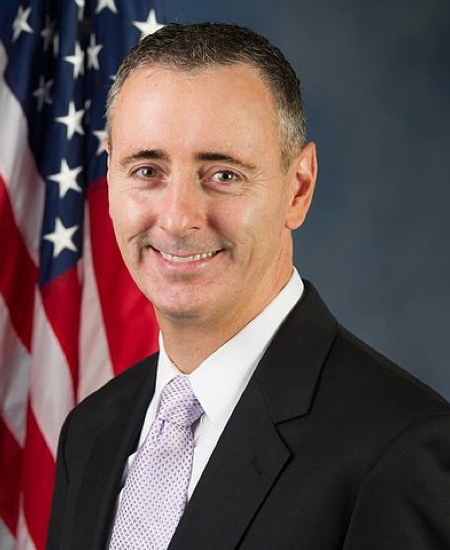
119th Congress Introduced by Brian Fitzpatrick and 3 co-sponsors

Bipartisan bill allocates federal funding to help communities afford clean water infrastructure upgrades and system improvements across the United States.

Referred to the Subcommittee on Water Resources and Environment.
0
WeVote Research Nonpartisan
Bill Summary · HR 6464

Legislative bill overview

HR 6464, the Affordable Clean Water Infrastructure Act, aims to improve water quality and infrastructure across the United States by providing federal funding and support for water system upgrades. The bill was introduced with bipartisan sponsorship and is currently under committee review in the House. The legislation focuses on making clean water infrastructure investments more accessible and affordable for communities.

Why is this important

Aging water systems across the country face significant maintenance backlogs, with lead pipes, aging treatment facilities, and contamination risks affecting millions of Americans. Federal investment in water infrastructure has direct public health implications, particularly for vulnerable populations in underserved rural and low-income urban areas. The affordability component addresses concerns that local water ratepayers shouldn't bear the full cost of necessary infrastructure replacements.

Potential points of contention

  • Federal funding scope and cost: Disagreement over the bill's total authorization amount, whether it's sufficient, and how it compares to estimated infrastructure needs (potentially in the hundreds of billions)
  • Local vs. federal responsibility: Debate over whether communities should primarily fund their own water systems through rates or whether federal taxpayers should substantially subsidize local infrastructure
  • Implementation priorities: Differing views on which water challenges (lead remediation, PFOA contamination, rural broadband water systems, etc.) should receive funding priority

Compiled from official sources — confirm details with the bill’s official record.

Sign in to ask a question.