

WeVote

Bill

Bill

A 7036

Adds hazardous air quality to the state definition of a disaster and includes air quality emergency preparedness in local comprehensive emergency management plans

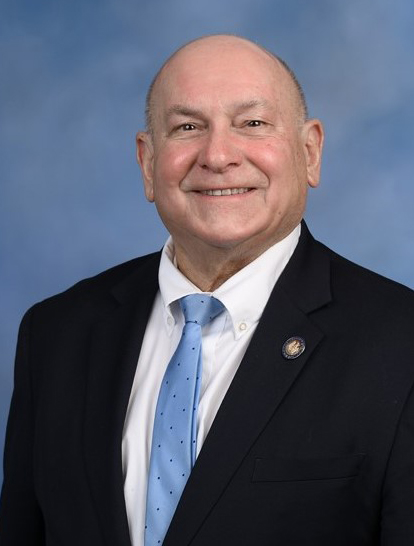
2025 Regular Session Introduced by Chris Burdick and 11 co-sponsors

Expands NY disaster rules to treat hazardous air quality as a disaster and requires local governments to weave air-quality emergency preparedness into plans.

REFERRED TO GOVERNMENTAL OPERATIONS
0
WeVote Research Nonpartisan
Bill Summary · A 7036

Bill Summary: A 7036 (New York Assembly)

Overview

Bill A 7036 would broaden the state’s disaster framework to explicitly include hazardous air quality as a qualifying disaster and would require local governments to incorporate air quality emergency preparedness into their comprehensive emergency management plans. The measure is currently in committee, having been introduced on March 18, 2025 and referred to the Governmental Operations Committee.

Key Provisions

  • Adds “hazardous air quality” to the state definition of a disaster. This change would formally classify dangerous air conditions as a disaster event at the state level, potentially activating available disaster response authorities, resources, and coordination mechanisms.
  • Requires local governments to integrate air quality emergency preparedness into their local comprehensive emergency management plans. This would obligate municipalities to plan for airborne hazard scenarios, including preparedness, response, and mitigation measures tied to air quality events.

Note: The exact statutory language, including any thresholds, triggers, or implementation timelines, is not provided here. The summary reflects the stated purpose and typical implications of such amendments.

Affected Parties

  • State government and its emergency management apparatus (e.g., relevant offices, departments of health, environmental agencies).
  • Local governments (cities, towns, counties) and their emergency management planners.
  • First responders, public health officials, and environmental health agencies involved in air quality monitoring and emergency response.
  • The general public, particularly residents in areas prone to air quality events (e.g., wildfire smoke, industrial releases, severe pollution episodes).

Legislative Timeline and Status

  • Introduced: March 18, 2025
  • Status: Referred to Governmental Operations (committee stage)
  • Legislative actions logged: 2025-03-18 – Referred to Governmental Operations (listed twice in the record)

Related Legislation

  • S 7932 (prior-session bill, likely a Senate counterpart)
  • S 5729 (companion; listed twice), indicating Senate counterparts intended to mirror or complement A 7036

Sponsors

  • Primary sponsor: Jessica Gonzalez-Rojas
  • Cosponsors include: MaryJane Shimsky, Brian Cunningham, Chris Burdick, Noah Burroughs, Tommy Schiavoni, William Colton, Emily Gallagher, Tony Simone, Rebecca Kassay, Steven Raga, Karines Reyes

Potential Impacts and Implications

  • Alignment with public health and climate resilience goals by ensuring readiness for air quality emergencies.
  • Local government planning workload may increase, as plans must explicitly address air quality hazards and associated response actions.
  • Potential for earlier disaster declarations or accelerated access to state resources during hazardous air quality events.
  • Fiscal impacts depend on final language and any required plan updates, funding for air quality monitoring, communications, and response capabilities.

Next Steps

  • If advanced by the committee, the bill would proceed to further hearings, possible amendments, and floor votes in the Assembly.
  • A companion Senate action (via S 5729 or S 7932) may move concurrently or subsequently, depending on the legislative calendar.
  • Final passage would require agreement between both houses and the Governor’s signature.

Compiled from official sources — confirm details with the bill’s official record.

Sign in to ask a question.