

WeVote

Bill

Bill

HB 2620

ABORTION-72 HR WAITING PERIOD

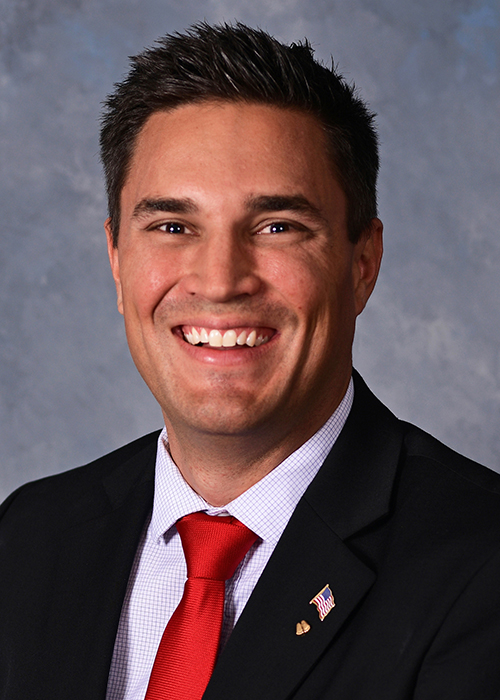
104th Regular Session Introduced by Adam Niemerg

Illinois HB 2620 would require a 72-hour pre-procedure counseling period between patient and provider, covering risks, indicators, meds, and medical history before abortion.

Referred to Rules Committee
5
WeVote Research Nonpartisan
Bill Summary · HB 2620

Summary — HB 2620 (Abortion — 72‑Hour Waiting Period)

Status: Referred to Rules Committee
Introduced: early February 2025 (introduced in Illinois legislature, primary sponsor Rep. Adam M. Niemerg)
Citation added (per text): 775 ILCS 55/1‑23 (new) — addition to the Reproductive Health Act

Purpose

The bill would add a new statutory waiting‑period requirement to Illinois’ Reproductive Health Act. Its stated purpose is to require a direct pre‑procedure discussion between the patient and the health care professional who will perform or induce an abortion, at least 72 hours before the abortion occurs, covering clinical indicators, contraindications, and risk factors tailored to the patient’s medical history and condition.

Key provisions

  • Adds Section 1‑23 to the Reproductive Health Act (775 ILCS 55): “Abortion waiting period.”
  • Substantive requirement: No person may perform or induce an abortion unless, at least 72 hours prior, the health care professional who will perform or induce the abortion has conferred with the patient and discussed:
    • Indicators and contraindicators for the procedure,
    • Risk factors (including physical, psychological, or situational factors),
    • Use of medications related to the procedure,
    • Consideration of the patient’s medical history and current medical condition.
  • Text as provided does not specify exemptions (e.g., for medical emergencies), does not spell out documentation, penalties, or enforcement mechanisms.

Who would be affected

  • Patients seeking abortions in Illinois would be subject to the new timing and counseling requirement.
  • Health care professionals who perform or induce abortions (physicians, advanced practice clinicians as specified under state law) would be required to provide the mandated pre‑procedure discussion at least 72 hours beforehand.
  • Abortion providers and clinics could face operational changes to scheduling, intake, and counseling practices.
  • Potential indirect effects on access for rural, low‑income, or time‑sensitive patients who may need additional visits or travel.

Procedural / timeline notes

  • Introduced in early February 2025 (Illinois version lists 2/6/2025 introduction by Rep. Adam M. Niemerg).
  • As provided, current status is referral to the Rules Committee (other procedural entries in the supplied materials are inconsistent; this summary tracks the Illinois measure).
  • Next steps would typically include committee hearings, possible amendments, and floor votes in the originating chamber before any move to the other chamber.

Potential impacts and considerations

  • A mandated 72‑hour interval can create a de facto multi‑visit requirement that may delay care; impacts depend on whether the required conferral may be done remotely/telemedicine or must be in‑person (the text does not specify).
  • No explicit emergency exception is included in the provided language; absence of such language could raise clinical and legal concerns in time‑sensitive cases.
  • Implementation questions include whether providers must document the counseling, how compliance will be verified, and whether there are civil or criminal penalties for noncompliance—none are specified in the provided text.
  • Legal challenges could arise depending on how the requirement interacts with existing state law and constitutional claims.

Note: The materials provided with this request also included text from a different HB 2620 (an Arizona bill concerning firearm‑permit verification). This summary focuses only on the Illinois Reproductive Health Act amendment regarding a 72‑hour waiting period.

Compiled from official sources — confirm details with the bill’s official record.

Sign in to ask a question.