

WeVote

Bill

Bill

SRES 829

A resolution reaffirming the policy of the United States to support a peaceful democratic transition in Venezuela through free and fair elections.

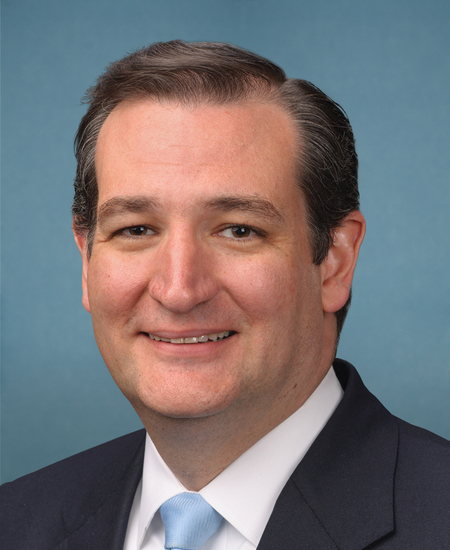
119th Congress Introduced by Ted Cruz and 6 co-sponsors

The resolution urges Venezuela’s interim authorities to restore democratic governance with free elections, calls for releasing political prisoners, and holds abuses against candida

Submitted in Senate
0
WeVote Research Nonpartisan
Bill Summary · SRES 829

Bill overview

  • Name: S. Res. 829
  • Session: 119th Congress (2nd Session)
  • Type: Senate resolution
  • Date introduced: August 4, 2026
  • Sponsors/Co-sponsors: Primary sponsor Mr. Cruz (and cosponsors including Mrs. Shaheen, Mr. Scott of Florida, Mr. Durbin, Mr. Kaine, Mr. Schiff, Ms. Rosen, and additional co-sponsor Mr. Cruz)
  • Referred to: Senate Committee on Foreign Relations

Purpose and intent

  • The resolution reaffirms the United States policy to support a peaceful democratic transition in Venezuela through free and fair elections.
  • It expresses condemnation of undemocratic actions and conditions in Venezuela and calls for steps toward restoring democratic governance and credible electoral processes.

Key provisions and changes

  1. Reaffirmation of policy

    • Explicitly states that the United States supports a peaceful democratic transition in Venezuela via free and fair elections.
  2. Calls for immediate democratic steps by interim authorities

    • Urges interim authorities in the Bolivarian Republic of Venezuela to take immediate steps to restore democratic governance, leading to free, fair, and transparent presidential elections.
  3. Release of political prisoners

    • Calls for the unconditional and immediate release of all political prisoners in Venezuela, including those detained in relation to the July 2024 election.
  4. Accountability for abuses against potential candidates

    • Declares that arbitrary detention, sentencing, assault, enforced disappearance, death, or other serious harm against individuals seeking public office would:
      • Undermine the freedom and fairness of future elections.
      • Be presumed to have been committed with the knowledge or acquiescence of senior interim officials.
      • Necessitate U.S. actions to hold accountable those responsible or complicit in such actions.

Who/what is affected

  • Venezuela's interim authorities and the Venezuelan political landscape:
    • The resolution targets actions by interim governing bodies and security forces, particularly regarding political detainees and threats to electoral candidates.
  • Political actors and candidates:
    • Includes individuals who seek public office (e.g., opposition figure María Corina Machado, referenced in the text) and the broader opposition coalition.
  • United States policy instruments:
    • While not detailing specific sanctions, the resolution signals potential U.S. accountability measures in response to electoral suppression or human rights abuses.

Procedural and timeline aspects

  • Status: Referred to the Senate Committee on Foreign Relations for consideration.
  • No immediate enactment; this is a non-binding resolution that expresses Senate policy and intent.
  • Timeline references within the text:
    • Mentions prior events: July 28, 2024 Venezuelan presidential election; August 1, 2024 State Department conclusions about the outcome; June 30, 2023 Supreme Tribunal and Comptroller General decisions affecting candidate María Corina Machado; January 3, 2026 interim presidency change; January 28, 2026 testimony by the Secretary of State; July 16, 2026 reaffirmation of U.S. policy.
  • The resolution frames ongoing U.S. stance and potential future actions in response to developments toward free and fair elections and protection of political rights.

Potential impact and implications

  • Diplomatic signaling: reinforces U.S. commitment to a democratic transition in Venezuela and may influence allied and international engagement.
  • Human rights focus: prioritizes the release of political prisoners and accountability for abuses against candidates and political actors.
  • Policy leverage: signals readiness to take steps against individuals deemed responsible for undermining elections, which could translate into targeted sanctions or other measures (though specific tools are not enumerated in the text).

Summary

S. Res. 829 is a Senate resolution that formalizes and reiterates U.S. support for a peaceful, democratic transition in Venezuela achieved through free and fair elections. It urges immediate steps by interim Venezuelan authorities to restore democratic governance, calls for the unconditional release of political prisoners, and asserts that abuses against those seeking public office would undermine electoral legitimacy and trigger U.S. accountability measures. The resolution is a non-binding statement of policy, guiding future diplomacy and potential actions by the United States.

Compiled from official sources — confirm details with the bill’s official record.

Sign in to ask a question.