Summary of S. Res. 716 (119th Congress, April 30, 2026)
A Senate resolution expressing the sense of the Senate regarding critical elements of U.S. policy toward the People’s Republic of China (PRC).
Purpose and intent
- Establishes the sense of the Senate on how the United States should address the PRC as a foremost rival and strategic competitor.
- Emphasizes a comprehensive approach across security, economic, technological, diplomatic, and strategic dimensions to deter and counter PRC actions.
- Reaffirms U.S. commitments to allies and partners in the Indo-Pacific and to upholding a rules-based international order.
Key provisions and changes (substantive points)
The resolution articulates nine broad policy priorities. Each is framed as objectives for U.S. policy rather than binding statutory changes, guiding executive branch action and congressional oversight.
National security and deterrence
- Prioritize addressing security, economic, technological, diplomatic, and strategic threats from the PRC.
- Sustain and strengthen deterrence to defend U.S. interests, freedom of navigation, and peace/stability in the Indo-Pacific, including the Taiwan Strait and South China Sea.
Economic and trade protection
- Protect U.S. economic interests from “predatory” Chinese practices.
- Specific focus areas include tightening export controls, restricting investments in strategic sectors, enforcing forced labor prohibitions, and offsetting subsidies by Chinese state entities.
Technological leadership and competition
- Preserve U.S. leadership in AI and other foundational technologies.
- Emphasize using these technologies to deter aggression and conduct cyber operations.
Strategic vulnerabilities and supply chains
- Recognize PRC as a major source of precursor chemicals used by illicit drug networks (e.g., fentanyl) and address related public health harms.
International institutions and standards
- Counter PRC influence in global standards settings and governance bodies to prevent advantages for Chinese firms and to avoid embedding unfavorable rules in global markets.
- Seek to ensure Taiwan’s participation in global forums.
Human rights and governance
- Highlight the PRC’s repression of human rights, religious and ethnic minorities, civil society, and free speech.
- Note the PRC’s global “transnational repression” campaign.
Allied and partner commitments in the Indo-Pacific
- Reaffirm strong U.S. commitments to treaty allies (e.g., Japan, South Korea, Australia, the Philippines) and bolster defense spending and basing arrangements that support deterrence.
- Support trilateral and quadrilateral security collaborations (e.g., Quad: U.S.-Japan-India-Australia not explicitly named but aligned with the posture).
Regional diplomacy and security architecture
- Strengthen partnerships with Indo-Pacific countries and regional organizations (e.g., ASEAN) and work with Pacific island nations to bolster resilience.
Taiwan policy and cross-strait stability
- Preserve peace and stability across the Taiwan Strait in line with the Taiwan Relations Act, the Three Joint Communiqués, and the Six Assurances.
- Maintain longstanding U.S. policy on Taiwan and support for Taiwan’s participation in international forums.
Who/what is affected
- United States government policy direction across:
- National security and defense planning
- Economic policy (export controls, investments, labor standards)
- Technology policy (AI, quantum computing, cybersecurity)
- Diplomacy and alliance management in the Indo-Pacific
- Multilateral engagement and international standards
- U.S. treaty allies and partners in the Indo-Pacific region (Japan, South Korea, Australia, Philippines; broader ASEAN and Pacific Island nations)
- Taiwan and its international status in governance forums
- U.S. companies and industries involved in strategic sectors and global supply chains
Procedural and timeline aspects
- The resolution was introduced in the Senate on April 30, 2026, and referred to the Committee on Foreign Relations.
- As a sense-of-the-Senate resolution (non-binding), it communicates priorities and policy directions to the executive branch and relevant committees rather than enacting new statutory requirements.
- No specific enforcement mechanism or funding authorization is included in the text provided; any implementation would depend on subsequent legislation and administration action.
Sponsorship
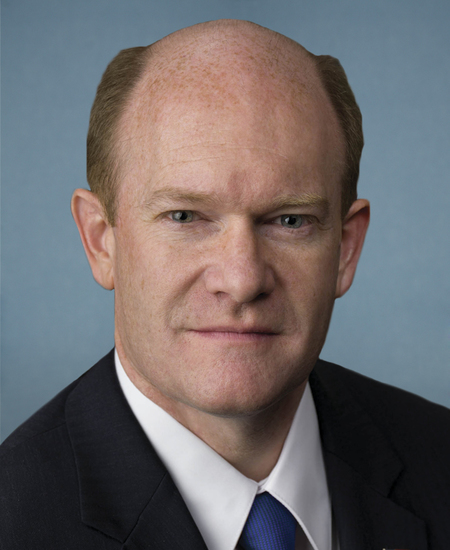
- Primary sponsor: Senator Coons (with a broad group of co-sponsors including Thom Tillis, Tim Kaine, Jeanne Shaheen, Jim Banks, Ted Cruz, Todd Young, Roger Wicker, and others).
If you’d like, I can extract the exact language into a side-by-side comparison with current policy or outline potential implementation steps for each priority.






Start the Conversation
Be the first to share your thoughts on this petition. Your voice matters!