

WeVote

Bill

Bill

SRES 701

A resolution designating the week of April 20 through 26, 2026, as "National Dark Sky Week".

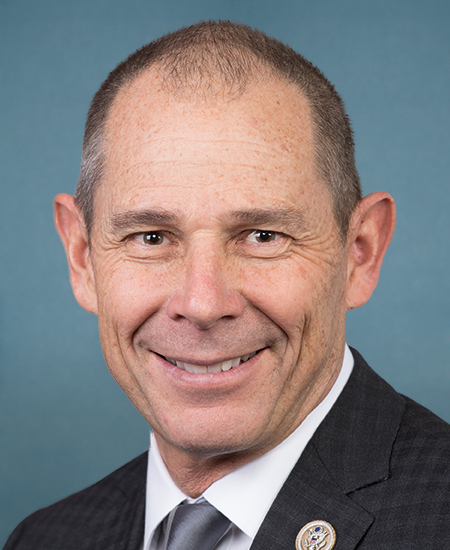
119th Congress Introduced by John Curtis and 3 co-sponsors

Designates April 20–26, 2026 as National Dark Sky Week to promote awareness of light pollution and encourage activities that protect dark skies.

Passed/agreed to in Senate: Submitted in the Senate, considered, and agreed to without amendment and with a preamble by Unanimous Consent.
0
WeVote Research Nonpartisan
Bill Summary · SRES 701

Summary of SRES 701 (Session 119) – National Dark Sky Week

Basic purpose

  • Designates a designated national observance: the week of April 20 through April 26, 2026, as “National Dark Sky Week.”
  • The resolution expresses support for activities that promote awareness of the night sky and the importance of reducing light pollution.

Key provisions

  • Establishment of a national recognition period: April 20–26, 2026, identified as National Dark Sky Week.
  • Acknowledgment of the importance of preserving dark skies for astronomy, energy efficiency, and ecological and health benefits.
  • Encouragement for federal agencies, educational institutions, communities, and the public to observe the week through appropriate events and activities that promote responsible outdoor lighting and reduced light pollution.

Affected parties and scope

  • While a resolution typically does not create new legal obligations or funding, it:
    • Encourages participation by federal agencies, schools, non-profit organizations, businesses, and individuals.
    • Serves to raise awareness about light pollution and the benefits of dark skies.
  • No new regulatory mandates, penalties, or appropriations are included in this form of resolution.

Procedural and timeline aspects

  • Consideration and status:
    • The resolution was submitted in the Senate on 2026-04-29.
    • It was considered and agreed to without amendment and with a preamble by Unanimous Consent on 2026-04-29.
  • Sponsors and co-sponsors:
    • Primary sponsors are not listed, but co-sponsors include:
    • Catherine Cortez Masto
    • Jacky Rosen
    • Mark Kelly
    • John Curtis
  • Nature of action:
    • This is a concurrent or Senate-resolution type designation to formally recognize a national observance; it does not create enforceable law or funding.

Potential impact

  • Public awareness: Likely to increase attention to light pollution, astronomy, and lighting efficiency.
  • Education and outreach: Encourages schools, clubs, observatories, and municipalities to host events, which may include stargazing sessions, lighting retrofits, and public education on dark-sky-friendly lighting.
  • Policy inspiration: Could encourage local and state efforts to adopt lighting standards and reduce skyglow, though no binding requirements are imposed by the resolution itself.

If you’d like, I can add a short FAQ addressing common questions (e.g., difference between a resolution and a statute, typical activities during National Dark Sky Week) or compare this to prior National Dark Sky Week recognitions.

Compiled from official sources — confirm details with the bill’s official record.

Sign in to ask a question.