

WeVote

Bill

Bill

S 4855

A bill to require providers of certain artificial intelligence systems to implement child safety by design, parental settings, and independent audits, to prohibit child targeted advertising and the sale or sharing of children's personal information, and for other purposes.

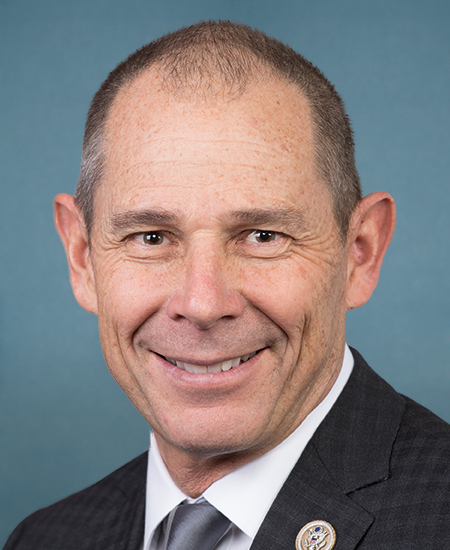
119th Congress Introduced by John Curtis and 1 co-sponsor

The bill requires AI providers to design systems with child safety in mind, include parental controls, undergo independent audits, and prohibit child-targeted advertising or sharin

Introduced in Senate
0
WeVote Research Nonpartisan
Bill Summary · S 4855

Summary of Bill: S. 4855 (119th Congress)

Purpose and Intent

S. 4855 seeks to enhance child safety in the deployment and operation of artificial intelligence (AI) systems. The core aims are to:
- Require providers of certain AI systems to design and operate with child safety in mind (child safety by design).
- Implement parental control mechanisms and settings.
- Ensure independent oversight through audits.
- Prohibit practices that target children with advertising and the sale or sharing of children’s personal information.

Key Provisions

  • Child Safety by Design

    • AI system providers must build safeguards into the development, deployment, and ongoing operation of their systems to protect children.
    • Requirements are intended to reduce risks to minors such as manipulation, exploitation, exposure to inappropriate content, and data misuse.
  • Parental Settings

    • Providers must offer configurable parental control options that allow guardians to govern how the AI system interacts with their children.
    • Settings may include content controls, data collection restrictions, and usage limitations tailored for minors.
  • Independent Audits

    • The bill mandates independent, third-party audits of AI systems to assess compliance with child safety, privacy, and advertising restrictions.
    • Audits would evaluate risk management, data handling practices, transparency, and adherence to the act’s requirements.
    • There may be periodic audit cycles and public reporting requirements (subject to applicable privacy protections).
  • Prohibition on Child-Targeted Advertising

    • The bill would prohibit advertising practices that specifically target children through AI-powered platforms or systems.
    • This includes tailoring ads based on a child’s demographic data, behavior, or inferred preferences within AI environments.
  • Prohibition on Sale or Sharing of Children’s Personal Information

    • It would restrict or prohibit the sale, sharing, or monetization of children’s personal information collected by AI systems.
    • Restrictions would apply to data collected from minors across AI services and products.
  • Scope and Applicability

    • The bill applies to providers of certain AI systems. The exact definitions (e.g., what constitutes an “AI system” or which providers are covered) would be specified in the text.
    • Could involve companies offering consumer AI products, platforms, or services that interact with users, including minors.
  • Enforcement and Compliance

    • Provisions likely outline penalties for non-compliance, as well as processes for investigations, enforcement actions, or corrective measures.
    • There may be a phased timeline for implementation, with initial compliance deadlines following enactment.

Who Would Be Affected

  • AI System Providers: Companies and entities that develop, deploy, or operate AI systems that interact with consumers, including minors.
  • Parents and Guardians: Individuals who would gain access to enhanced parental controls and settings for children’s use of AI systems.
  • Children and Teens: Indirectly protected through restrictions on Targeted Advertising and restrictions on the handling of their personal information.
  • Auditors and Compliance Bodies: Third-party organizations responsible for conducting independent audits and reporting findings.

Procedural and Timeline Aspects

  • Introduction and Referral
    • Introduced in the Senate and referred on 2026-06-23 to the Committee on Commerce, Science, and Transportation.
  • Potential Timeline (Typical for Similar Legislation)
    • Committee review, markups, and potential amendments.
    • Senate floor consideration, followed by reconciliation with any companion House measures (if applicable) and final passage.
    • Passage would be followed by presidential action or veto considerations and potential enactment into law.

Potential Impacts

  • Industry Impact

    • Increased compliance burden on AI providers, including design changes, privacy-by-design practices, and annual or periodic independent audits.
    • Possible costs associated with implementing parental controls and conducting audits.
  • Consumer Impact

    • Enhanced protections for children’s data and reduced exposure to child-targeted advertising.
    • Greater transparency and control for families over how AI systems operate around minors.
  • Regulatory Landscape

    • Adds to the national discussion on AI governance, child privacy, and data security, potentially influencing future federal standards or prompting similar state-level or industry-wide measures.

If you’d like, I can map this bill to existing federal/privacy laws for comparison (e.g., COPPA, GDPR-like concepts, or other AI governance proposals) and highlight areas of potential overlap or conflict.

Compiled from official sources — confirm details with the bill’s official record.

Sign in to ask a question.