

WeVote

Bill

Bill

S 4364

A bill to provide for the refund of duties imposed under the International Emergency Economic Powers Act.

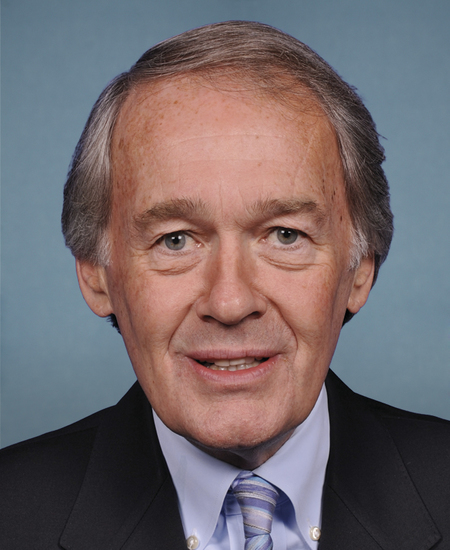
119th Congress Introduced by Ed Markey and 2 co-sponsors

The bill creates a process to refund duties collected under IEEPA emergency powers to eligible importers.

Introduced in Senate
0
WeVote Research Nonpartisan
Bill Summary · S 4364

Bill Summary: S. 4364 (119th Congress) – “A bill to provide for the refund of duties imposed under the International Emergency Economic Powers Act”

Note: Based on the provided information, this summary outlines the bill’s stated purpose, key provisions, potential impact, and procedural timeline. For complete text and official analysis, please refer to the Congressional records.

Overview

  • Purpose of the bill: To provide for the refund of duties that have been imposed under the International Emergency Economic Powers Act (IEEPA). The measure aims to refund duties collected under certain IEEA-based authorities.
  • Introduced by: Senate (Introduced in Senate)
  • Co-sponsors: Jeanne Shaheen, Ron Wyden, Ed Markey
  • Action history:
    • 2026-04-21: Read twice and referred to the Senate Committee on Finance
    • 2026-04-21: Introduced in Senate

What the bill would do

  • Main objective: Establish a process to refund duties collected under authorities invoked under IEEPA. The bill seeks to return duties to the appropriate parties, presumably affected importers or entities, where duties were assessed pursuant to emergency powers authorized by IEEPA.
  • Scope of refunds: The text provided does not specify exact categories of duties or eligibility criteria; the full bill would define which duties are refundable, any statutory limits, and the timeframe within which refunds must be issued.
  • Administrative mechanism: Likely creates a framework or directive for the responsible department or agency (potentially the Treasury or corresponding customs authority) to process refunds, including:
    • Claims submission procedures
    • Documentation requirements
    • Verification and audit steps
    • Deadlines for action

Who is affected

  • Importers and taxpayers: Entities that paid duties under IEEPA authorities would be the primary beneficiaries if they qualify for refunds.
  • U.S. Treasury/Customs authorities: Agencies responsible for administering duties and processing refunds would implement the refund program under the bill.
  • Covered goods and sectors: Any goods subject to IEEPA-imposed duties during a period deemed eligible for refund under the bill.

Key provisions and changes (anticipated components)

  • Legislative text would specify:
    • Eligibility criteria for refunds (e.g., scope of IEEPA authorities covered, time periods, and types of duties refundable)
    • Procedures for submitting refund claims
    • Required supporting documentation
    • Processing timelines and interest/penalty provisions, if any
    • Anti-fraud and compliance safeguards
    • Oversight and reporting requirements to Congress
  • Potential alignment with existing refund or duty-drawback programs, while distinguishing refunds from standard drawback processes.

Procedural and timeline considerations

  • Committee referral: Referred to the Senate Committee on Finance, indicating a focus on fiscal and revenue implications.
  • Next steps in the legislative process: If reported out of committee, the bill would proceed to debate and vote on the Senate floor, followed by potential reconciliation with any analogous House measures.

Potential impact and considerations

  • Fiscal impact: The bill would have budgetary implications by creating or funding a refund program for duties collected under IEEPA. The exact cost would depend on the scope of refundable duties and the claimed amounts.
  • Policy implications: Reflects a congressional interest in alleviating or correcting duties deemed inappropriate or overstated under emergency powers, and ensuring timely return of funds to taxpayers.
  • Administrative workload: Implementing a refunds program could require significant processing capacity, documentation review, and compliance checks.

For readers seeking deeper insight, the bill's full text and the Committee report would provide precise definitions of eligibility, refund mechanics, and financial implications.

Compiled from official sources — confirm details with the bill’s official record.

Sign in to ask a question.