

WeVote

Bill

Bill

S 5289

A bill to protect the right to the free exercise of religion.

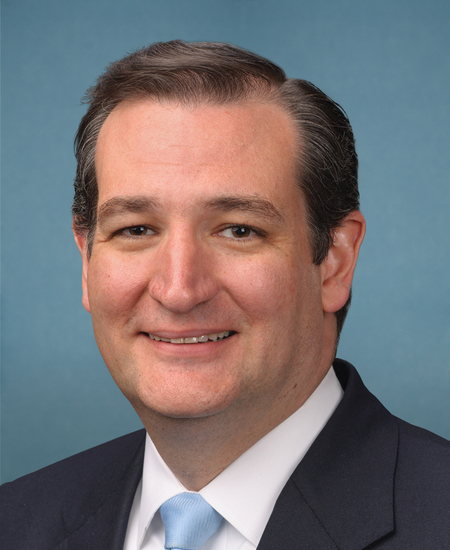
119th Congress Introduced by Ted Cruz and 1 co-sponsor

S 5289 strengthens protection for the free exercise of religion, shielding individuals and groups from government actions that burden faith unless a compelling, least-restrictive i

Introduced in Senate
0
WeVote Research Nonpartisan
Bill Summary · S 5289

Overview

S 5289, introduced in the 119th Congress, is a bill designed to protect the right to the free exercise of religion. It reflects the sponsors’ intent to reinforce and clarify protections for individuals and entities to practice their faith free from government interference or discrimination. The bill has a bipartisan co-sponsorship from Elissa Slotkin and Ted Cruz. It was read twice and referred to the Senate Judiciary Committee on August 6, 2026.

Purpose and intent

  • Secure and protect the constitutional and statutory right to freely exercise religion.
  • Address scenarios where government actions, policies, or funding decisions could burden religious exercise.
  • Provide a framework for evaluating and remedying violations of religious freedom, potentially including standards for compelling state interests and least-restrictive means.

Key provisions (highlights)

Note: As the text of the bill is not provided here, the summary focuses on the typical elements such bills tar­get and the actions indicated by its title and sponsor actions. The following provisions are commonly included in federal religious freedom protection legislation and would likely be addressed by S 5289:

  • Protection from government actions that substantially burden religious exercise unless a compelling governmental interest is demonstrated and the action is the least restrictive means.
  • Clarification of when government funding, programs, or policies cannot discriminate against individuals or organizations based on religious beliefs or practices.
  • Affirmation of exemptions or accommodations for religious institutions and adherents in areas such as employment, education, healthcare, and public accommodations.
  • Safeguards against retaliatory or punitive actions for individuals or groups practicing religion according to their beliefs.
  • Mechanisms to challenge violations, potentially including private rights of action, administrative remedies, or expedited review processes.
  • Definitions clarifying what constitutes “free exercise of religion,” “religion,” and “burden” to standardize applications across federal law.

Who would be affected

  • Individuals who seek to practice religion freely without government-imposed restrictions.
  • Religious organizations, congregations, and faith-based nonprofits, especially in contexts involving employment, funding, accreditation, or public accommodations.
  • Government entities and officials implementing laws, regulations, or grant programs that interact with religious exercise.
  • Employers and service providers operating in sectors where religious liberty claims may intersect with anti-discrimination or public accommodation laws.

Procedural and timeline aspects

  • Status: Read twice in the Senate and referred to the Committee on the Judiciary (as of August 6, 2026).
  • Next steps typically include committee hearings, potential markup, and floor consideration.
  • If enacted, the bill would become law on a date specified within its provisions or upon the signing of a presidential enactment, with phased or immediate effective dates for different sections as determined by the text.

Potential impacts and considerations

  • Strengthening protections for religious exercise could limit certain government actions that impose burdens on faith groups, while also raising questions about conflicts with anti-discrimination laws and pluralism in public life.
  • The balance between religious liberty and other civil rights would be a central area of interpretation, potentially shaping disputes in employment, education, healthcare, land use, and public funding.
  • Stakeholders likely to engage in implementation include federal agencies, judiciary courts, religious organizations, employers, and civil rights advocates.

Additional notes

  • The bill’s specific text would determine precise standards, remedies, and the scope of protections. For a thorough understanding, reviewing the formal language, definitions, exemptions, and enforcement mechanisms in the enacted version is recommended.

Compiled from official sources — confirm details with the bill’s official record.

Sign in to ask a question.