
Bill
Sponsor avatar

BILL โ€ข US SENATE

S 4592

A bill to establish the Foundation for Digital Opportunity, and for other purposes.

119th Congress
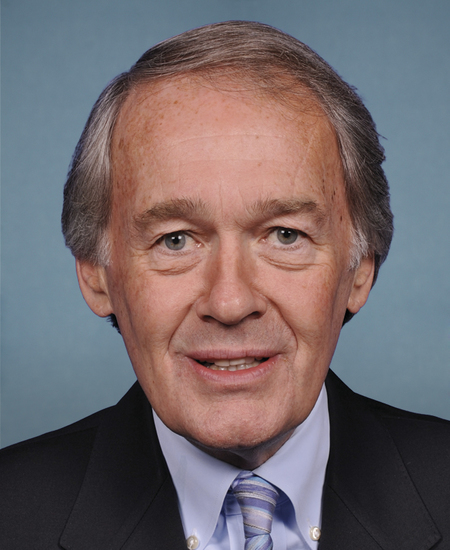
Introduced by Ed Markey,

Creates the Foundation for Digital Opportunity to coordinate federal, state, and private efforts expanding broadband, digital literacy, and inclusive tech access.

Introduced in Senate
0
0
Bill Summary ยท S 4592

Summary of Bill: S. 4592 (119th Congress) โ€“ "A bill to establish the Foundation for Digital Opportunity, and for other purposes"

Purpose and intent

  • Establishes a new, non-profit foundation named the Foundation for Digital Opportunity (FDO).
  • Aims to advance nationwide digital inclusion, access to high-speed internet, digital literacy, and the broader deployment of digital technologies to support economic opportunity, education, and innovation.
  • Positions the FDO as a central public-private partner to coordinate federal, state, and local efforts related to digital access and opportunity.

Key provisions and changes

  • Establishment of the Foundation for Digital Opportunity (FDO):
    • Legal status: A federal foundation/private-public partnership tasked with coordinating digital opportunity initiatives.
    • Governance: Likely to include a board with representation from government, industry, academia, and civil society (specific composition details would be defined in the bill or related authorization language).
    • Funding authority: Provisions to authorize appropriations or funding mechanisms to support FDO activities. The bill would specify funding sources, use of federal funds, and potential matching requirements or leverage with non-federal dollars.
  • Programs and activities authorized:
    • Digital inclusion programs to expand broadband access, affordability, and device availability, particularly for underserved communities.
    • Digital literacy and skills training for individuals, workers, students, and job seekers.
    • Support for innovation, research, and pilot projects in digital technology deployment, including smart communities, cybersecurity awareness, and robust digital ecosystems.
    • Grant-making or sub-granting authority to award funds to eligible entities (e.g., states, local governments, nonprofits, institutions of higher education, and Tribal organizations) for eligible activities.
  • Coordination and governance:
    • The Foundation would coordinate with existing federal agencies and programs addressing digital access (e.g., broadband, education technology, workforce development) to align efforts and avoid duplication.
    • Reporting requirements to Congress and periodic performance reviews to assess progress, outcomes, and accountability.
  • Accountability and oversight:
    • Audits, annual reports, and metrics to measure impact, including indicators such as households with broadband, digital literacy gains, and workforce outcomes.
    • Transparency requirements around funding recipients and project outcomes.

Who would be affected

  • Eligible entities: States, local governments, nonprofit organizations, institutions of higher education, Tribes, and possibly private sector partners that participate in FDO-funded activities.
  • Target populations: Underserved and rural communities, low-income households, students, and workers seeking digital skills and better internet access.
  • Federal agencies: Coordination with agencies already involved in digital access and technology initiatives; potential realignment or prioritization of certain programs through FDO leadership.

Procedural and timeline aspects

  • Introduced in the Senate and referred to the Committee on Commerce, Science, and Transportation.
  • Initial action: Read twice and referred on 2026-05-20.
  • Next steps would typically include committee hearings, markup, and potential floor consideration, followed by conference if there are House versions and eventual enactment into law.
  • Sponsor and co-sponsor: Primary sponsor added with Ed Markey listed as a co-sponsor, indicating bipartisan or cross-party interest in digital opportunity initiatives.

Potential impact and considerations

  • Could centralize and streamline federal efforts to improve digital access and literacy, potentially increasing the efficiency and reach of existing programs.
  • May unlock new funding streams and pilot projects aimed at closing digital divides, and encourage collaboration across sectors.
  • Oversight and accountability measures would be important to ensure funds are effectively deployed and outcomes are measurable.
  • The exact structure, funding levels, and authorities would determine the scope of influence on current federal programs and on-state or local digital inclusion strategies.

Hi! I'm your AI assistant for S 4592. I can help you understand its provisions, impacts, and answer any questions.

Key Provisions Impacts Timeline
Sign in to chat

Start the Conversation

Be the first to share your thoughts on this petition. Your voice matters!

Share your opinion above
