

WeVote

Bill

Bill

S 4894

A bill to establish a pilot program on safety and qualification of printable energetic feedstocks for additive manufacturing.

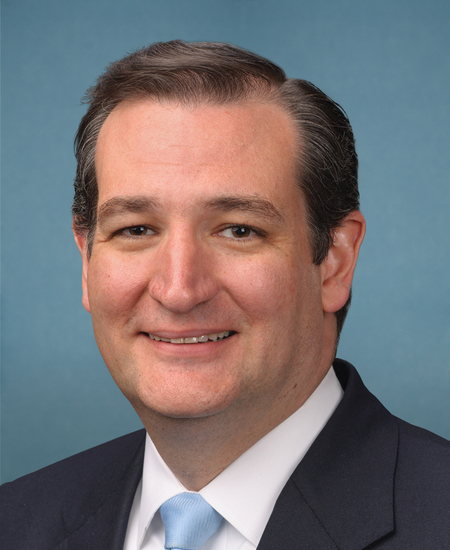
119th Congress Introduced by Ted Cruz and 1 co-sponsor

Establishes a time-limited pilot to assess safety, standards, and qualification criteria for printable energetic feedstocks used in additive manufacturing.

Introduced in Senate
0
WeVote Research Nonpartisan
Bill Summary · S 4894

Summary of Bill: S 4894 (Session 119)

Purpose and intent

  • Establishes a pilot program focused on safety and qualification of printable energetic feedstocks used for additive manufacturing (AM).
  • The overarching goal is to assess risks, safety standards, and qualification criteria for energetic materials that can be formed or printed via additive manufacturing technologies.

Key provisions and changes

  • Pilot program establishment: Creates a structured, time-limited pilot to evaluate the use of printable energetic feedstocks in AM processes.
  • Safety standards and qualification: Requires development and application of safety protocols, handling procedures, storage requirements, and risk mitigation measures for printable energetic materials. Establishes criteria to qualify feedstocks for safe use in AM environments.
  • Scope of materials: Focuses on energetic feedstocks that can be produced or processed for printing (e.g., propellants, primers, pyrotechnic-like formulations, or other energetic materials suitable for AM). The bill delineates that the pilot will examine safety, reliability, and performance aspects.
  • Testing and evaluation: Outlines procedures for testing material properties, printability, performance, durability, and safety under realistic manufacturing conditions.
  • Regulatory framework: Sets up governance mechanisms to oversee the pilot, including reporting requirements, compliance standards, and coordination with relevant federal agencies (notably the Department of Defense, given the Armed Services committee referral).
  • Data collection and reporting: Requires collection of data on incidents, near-misses, qualification outcomes, and best practices; mandates periodic reporting to Congress on progress, findings, and any recommended regulatory or policy changes.
  • Duration and sunset: The pilot is time-bound, with specified endpoints for evaluation and potential transition to broader policy if warranted by results.

Who/what is affected

  • Federal agencies: Likely involves coordination among the Department of Defense and related safety and standards bodies; may require interagency collaboration for safety testing and protocol development.
  • Manufacturers and researchers: Entities engaged in additive manufacturing that utilize energetic feedstocks; the bill could influence R&D practices, safety training, and qualification processes.
  • Public safety and defense communities: Policies and findings could impact safety guidelines, procurement standards, and defense-related AM activities.

Procedural and timeline aspects

  • Introduced and referred: Introduced in the Senate and referred to the Committee on Armed Services (as of 2026-06-24).
  • Sponsorship: Co-sponsors include Tim Kaine and Ted Cruz, indicating bipartisan interest.
  • Next steps: The bill would proceed through committee consideration, potential amendments, and, if advanced, floor action for passage. The pilot’s duration and reporting milestones would be defined in subsequent committee and floor language.

If you’d like, I can tailor this summary to emphasize potential implementation challenges, cost considerations, or implications for national security and innovation policy.

Compiled from official sources — confirm details with the bill’s official record.

Sign in to ask a question.