Summary: S. 4371 – 119th Congress
Title
A bill to ensure that qualified technical schools offering certain career pathway and job training programs have the same access to Federal grants as 2-year and 4-year institutions of higher education, and for other purposes.
Core purpose and intent
- To equalize access to federal grants for qualified technical schools that provide career pathway programs and job training.
- The bill seeks to remove disparities between traditional higher education institutions (2-year and 4-year colleges) and certain technical schools in eligibility for federal financial assistance.
Key provisions and changes (as described)
- Eligibility parity for federal grants: The bill requires federal funding programs to treat qualified technical schools offering career pathway and job training programs the same as community colleges and four-year institutions for the purposes of grant eligibility.
- Definition of “qualified technical schools”: The act establishes or relies on criteria to determine which technical schools qualify for parity. The criteria likely relate to program scope (career pathways and job training), accreditation standards, size, program outcomes, and alignment with workforce needs. (Note: specific statutory definitions would be detailed in the text of the bill.)
- Scope of grants: Applies to federal grants traditionally available to higher education institutions, potentially including but not limited to student aid, workforce development grants, and programmatic funding aimed at postsecondary education and training.
- Programmatic alignment: Encourages a focus on programs that lead to recognised credentials or pathways into employment, emphasizing labor market relevance and outcomes.
Who is affected
- Qualified technical schools offering career pathway and job training programs would gain eligibility access to federal grants on par with 2-year and 4-year colleges.
- Students and workers who participate in these programs could benefit from broader funding opportunities, potentially improving access to financial aid and the quality of training.
- Higher education institutions may experience changes in grant competition dynamics as a broader pool of applicants becomes eligible for certain federal funds.
Procedural and timeline aspects
- Introduction and referral: The bill was introduced in the Senate and referred to the Committee on Health, Education, Labor, and Pensions on April 22, 2026.
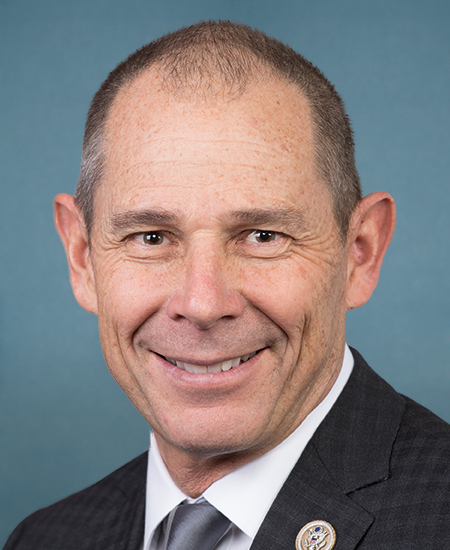
- Sponsorship: Co-sponsored by Senator John Curtis.
- Next steps in process: The committee will review the bill, possibly hold hearings, and may report it back to the Senate floor with amendments. If reported, it would proceed through the standard legislative process, including floor consideration, potential amendments, and votes.
Potential impact and considerations
- Equity in funding access: By leveling the playing field, more qualified technical schools could compete for federal grants, potentially expanding capacity for career training aligned with workforce demand.
- Accountability and outcomes: Success of the policy depends on sound qualification criteria and ongoing oversight to ensure funds support effective programs and positively impact employment outcomes.
- Implementation details: The bill’s effectiveness hinges on precise definitions of “qualified technical schools,” eligible programs, and grant oversight mechanisms, which would be specified in the enacted text.
Note: This summary is based on the bill’s title and the available action history. The full text would provide precise definitions, grant programs targeted, funding amounts (if specified), and implementation timelines.



Start the Conversation
Be the first to share your thoughts on this petition. Your voice matters!