

WeVote

Bill

Bill

S 4961

PATH Act

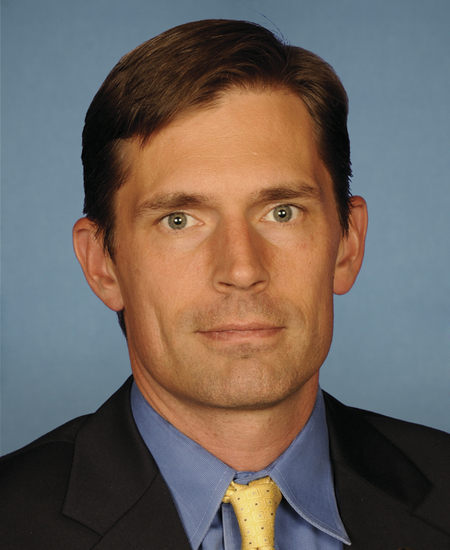
119th Congress Introduced by Martin Heinrich

Directs the Labor Department to fund and support pre-apprenticeship programs in construction to broaden access for underrepresented, low-income, and rural populations.

Introduced in Senate
0
WeVote Research Nonpartisan
Bill Summary · S 4961

Summary of Bill S. 4961 (Session 119)

Purpose and intent

  • Directs the Secretary of Labor to support the development of pre-apprenticeship programs in the building and construction trades.
  • Aims to serve underrepresented populations, including individuals from low-income backgrounds and residents of rural census tracts.
  • The overarching goal is to expand access to construction career pathways and diversify the workforce in trades such as plumbing, electrical, carpentry, and other building trades.

Key provisions and changes

  • Establishment of a federal support mechanism: The bill requires the Department of Labor (DOL) to provide resources to develop, implement, and scale pre-apprenticeship programs in building and construction sectors.
  • Target populations: Programs funded or supported under the bill must prioritize underrepresented groups, specifically:
    • Individuals from low-income communities
    • Residents of rural census tracts
    • Other underrepresented populations as determined by the Secretary
  • Program components (anticipated, based on typical pre-apprenticeship frameworks):
    • Foundational skill training relevant to construction trades
    • Academic readiness and workforce preparation
    • Job placement assistance and connections to registered apprenticeship programs
    • Mentorship, career counseling, and supportive services (e.g., transportation, childcare) as needed
    • Partnerships with employers, unions, training providers, and community organizations
  • Funding and administration: The bill authorizes or directs federal support (the specifics such as funding amounts or grant mechanisms would be defined in accompanying language or subsequent implementing rules). It may establish grant programs or cooperative agreements administered by the DOL or related agencies to support state-wide or local implementation.
  • Evaluation and accountability: Likely requires reporting on program outcomes (enrollment, completion rates, placement in apprenticeships or jobs, wage outcomes, and diversity metrics) to ensure effectiveness and justify continued funding.

Who would be affected

  • Intended beneficiaries:
    • Individuals from low-income backgrounds
    • Residents of rural census tracts seeking entry into construction trades
    • Underrepresented groups seeking pre-apprenticeship exposure and pathway support
  • Stakeholders and implementers:
    • Employers in building and construction sectors
    • Labor unions and apprenticeship sponsors
    • Workforce development boards, community colleges, and training providers
    • State and local workforce investment boards (as possible partners or recipients of funding)

Procedural and timeline aspects

  • Introduction and referral: The bill was introduced and referred to the Senate Committee on Health, Education, Labor, and Pensions (HELP) on July 14, 2026.
  • Sponsorship: Co-sponsor listed is Senator Martin Heinrich.
  • Next steps in the legislative process (typical):
    • HELP Committee reviews, marks up, and reports the bill.
    • Floor consideration by the Senate, potential amendments.
    • If passed by the Senate, transmission to the House (and vice versa if introduced there first) and conference if reconciled versions emerge.
  • Implementation timeline (not specified in the summary): Details such as funding cycles, start dates for programs, and reporting deadlines would be defined in the bill’s text and any implementing guidance subsequent to enactment.

Notes on impact and scope

  • The bill focuses on expanding access to pre-apprenticeship opportunities in construction, with an emphasis on equity and reaching populations traditionally underrepresented in the trades.
  • By supporting pre-apprenticeship development, the measure seeks to funnel more participants into registered apprenticeships and construction careers, potentially affecting workforce diversity, earnings potential, and local economic development in rural and low-income communities.

If you’d like, I can tailor this summary to specific audiences (policymakers, advocates, or industry groups) or pull out the exact sections and expected outputs once the bill’s full text is available.

Compiled from official sources — confirm details with the bill’s official record.

Sign in to ask a question.