Summary of Bill: S. 4438 (118th or 119th Congress as indicated) – Lifeline Outreach Grants
Note: This summary is based on the bill’s title and available action history. If you need precise text or section-by-section language, please refer to the official bill text.
Purpose and Intent
- The bill directs the Federal Communications Commission (FCC) to establish a grant program aimed at informing individuals about their potential eligibility for the FCC’s Lifeline program.
- Lifeline is a program designed to help low-income households afford telecommunications and internet services. This bill seeks to increase awareness of Lifeline eligibility and access to information, presumably to expand participation in Lifeline.
Key Provisions and Changes (as implied by the title and summary)
- Establishment of a federal grant program administered by the FCC.
- Grants are targeted to states (i.e., “to States”) to inform individuals about Lifeline eligibility.
- The program is designed to inform individuals of potential Lifeline eligibility, which may involve outreach campaigns, educational materials, and consumer assistance efforts.
- The bill may include standards for grant eligibility, reporting, performance metrics, and periods of funding, though the exact provisions would be detailed in the bill text.
- The bill includes “and for other purposes,” indicating provisions beyond outreach (potentially related to program coordination, reporting to Congress, or alignment with Lifeline rules).
Who Would Be Affected
- State governments and state-level agencies or designated entities responsible for applying for and administering the grants.
- Lifeline-eligible or potentially eligible individuals who may benefit from increased outreach and information about Lifeline.
- Telecommunications providers and consumer advocacy groups involved in Lifeline education and enrollment assistance.
Procedural and Timeline Aspects
- Introduced in the Senate on April 29, 2026.
- Read twice and referred to the Committee on Commerce, Science, and Transportation on the same day.
- Action history indicates the bill has not yet advanced to a full floor vote or passage; it is in early-stage committee consideration.
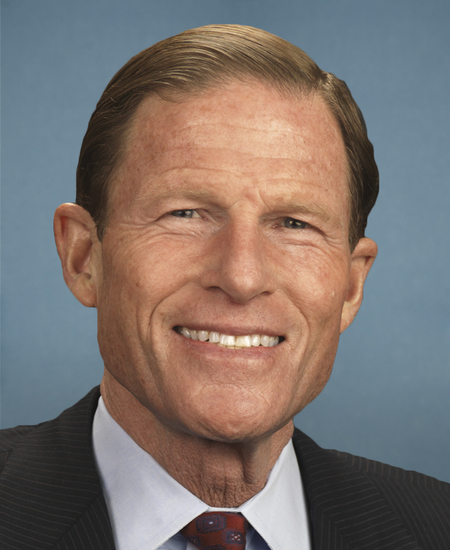
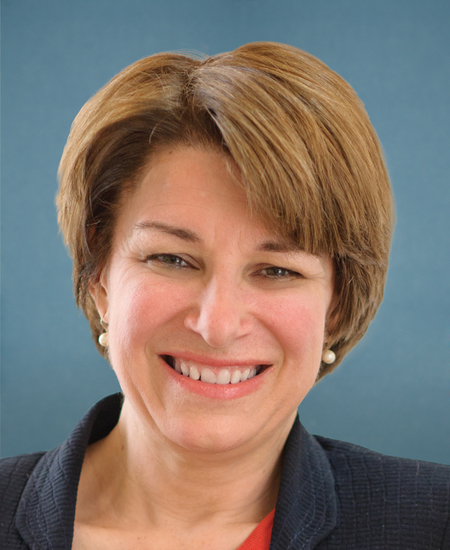
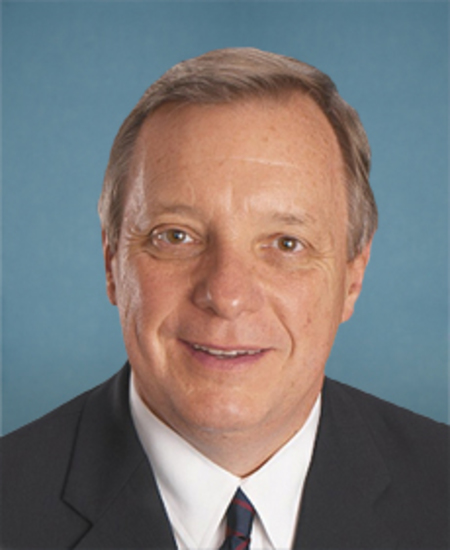
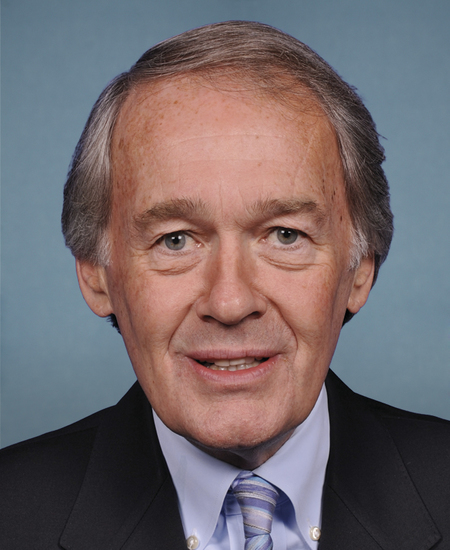
- Sponsors include notable lawmakers (co-sponsors: Amy Klobuchar, Richard Blumenthal, Dick Durbin, Ed Markey, Tammy Duckworth, Alex Padilla), suggesting bipartisan interest in Lifeline outreach.
Potential Impacts and Considerations
- Increased outreach could raise Lifeline enrollment among eligible or low-income households, potentially expanding broadband and telephone access for underserved populations.
- State-led administration of grants may allow tailored, local outreach strategies but will require oversight, reporting, and alignment with federal Lifeline requirements.
- Effectiveness will depend on grant size, criteria, complementing existing Lifeline enrollment efforts, and the clarity of outreach objectives.
What to Watch
- The exact grant program details: funding amounts, duration, match requirements (if any), and reporting metrics.
- How “inform individuals of potential eligibility” is defined in practice (channels, languages, accessibility considerations).
- Any coordination with existing Lifeline outreach efforts and consumer protections.
If you’d like, I can pull the full text of the bill and provide a section-by-section breakdown, including specific definitions, grant criteria, and reporting requirements.






Start the Conversation
Be the first to share your thoughts on this petition. Your voice matters!