

WeVote

Bill

Bill

S 5248

A bill to authorize the Secretary of Health and Human Services to make grants to States to improve the knowledge, credentials, compensation, and professional development of early childhood educators working with children in early childhood education programs.

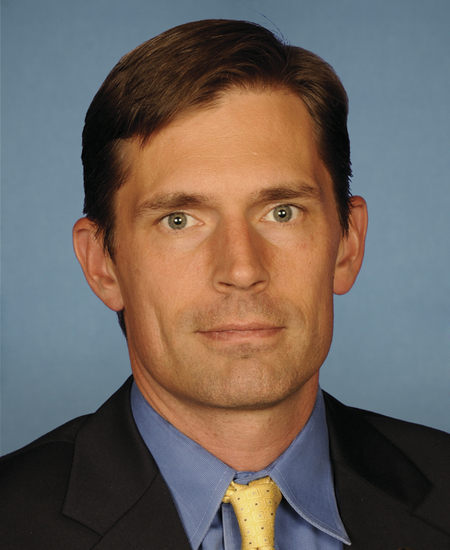
119th Congress Introduced by Martin Heinrich and 2 co-sponsors

The bill would authorize grants to states to fund initiatives that elevate early childhood educators’ knowledge, credentials, pay, and ongoing professional development.

Introduced in Senate
0
WeVote Research Nonpartisan
Bill Summary · S 5248

Overview

S. 5248 is a bipartisan Senate bill introduced in the 119th Congress that would authorize the Secretary of Health and Human Services (HHS) to provide grants to states. The primary aim is to strengthen the early childhood workforce by improving knowledge, credentials, compensation, and opportunities for professional development for early childhood educators working in early childhood education programs.

Purpose and intent

  • To improve the quality of early childhood education by supporting the professional advancement of educators.
  • To address workforce challenges in early childhood settings through targeted grants to states.
  • To enhance educators’ knowledge base, credentialing, pay, and continuing education to promote better outcomes for children in early childhood programs.

Key provisions (highlights)

  • Grant authority: Authorization for HHS to award grants to states to fund initiatives related to early childhood educators.
  • Focus areas:
    • Knowledge enhancement: training, literacy, developmentally appropriate practices, and other evidence-based methods.
    • Credentials: support for credential attainment, portability, recognition of specialized credentials in early childhood education.
    • Compensation: strategies to improve educator wages, benefits, and overall compensation to attract and retain qualified staff.
    • Professional development: ongoing, career-spanning development opportunities, including continuing education and mentorship.
  • Target recipients: States (likely through state agencies or designated entities) to implement programs and allocate funds to eligible entities within the state (e.g., programs, providers, and workforce development partners).
  • Administration: Grants would be administered by HHS or a designated federal office within HHS, with reporting and compliance requirements to ensure accountability and use of funds for stated objectives.
  • Reporting and evaluation: Provisions typically include performance reporting, project evaluations, and metrics to assess impact on educator qualifications, compensation levels, and child outcomes.

Who would be affected

  • Early childhood educators working in state-funded or state-identified early childhood education programs.
  • Early childhood education programs and providers seeking to implement credentialing, training, and professional development initiatives.
  • State education or public health agencies responsible for administering grant funds and coordinating workforce development activities.
  • Parents and children in early childhood programs who could benefit from higher-quality teaching and improved program stability resulting from a stronger workforce.

Procedural and timeline aspects

  • Introduction and referral: Introduced in the Senate and referred to the Committee on Health, Education, Labor, and Pensions (HELP).
  • Action history: Read twice and referred to HELP on August 5, 2026.
  • Next steps (typical): Committee consideration, potential markup, passage by the Senate, and subsequent consideration by the House of Representatives, followed by any conference decisions and presidential assent.

Potential impact

  • Workforce development: Expanded support for professionalization of the early childhood workforce, addressing credential barriers and compensation gaps.
  • Quality of care and learning: By raising educator knowledge and professional standards, the bill aims to improve the quality of early childhood education and child outcomes.
  • State-level program design: States would design and implement grant-funded initiatives within federal guidelines, tailoring approaches to local needs.

Notes: The summary reflects the bill’s stated purpose and provisions as publicly indicated. Details such as exact grant amounts, matching requirements, reporting metrics, and permissible uses would be defined in the bill text and any accompanying administrative guidance.

Compiled from official sources — confirm details with the bill’s official record.

Sign in to ask a question.