

State-Based Universal Health Care Act of 2025
The State-Based Universal Health Care Act empowers states to create tailored universal health care systems, ensuring all residents access comprehensive medical services.
The State-Based Universal Health Care Act of 2025 (S 2286) aims to create a flexible framework that allows individual states to implement comprehensive universal health coverage for their residents. Introduced in the Senate on July 15, 2025, this bill seeks to empower states to design and manage their own health care systems tailored to the needs of their populations.
The primary purpose of S 2286 is to establish a structure that facilitates the provision of universal health care at the state level. The bill recognizes the diverse needs of different states and aims to provide them with the autonomy to develop health care solutions that best serve their residents.
The bill is sponsored by:
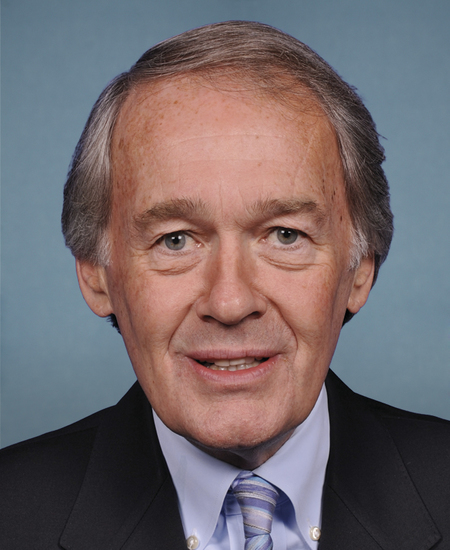
- Edward J. Markey (Primary Sponsor)
- Elizabeth A. Warren (Cosponsor)
- Jeff Merkley (Cosponsor)
- Alex Padilla (Cosponsor)
S 2286 has a companion bill in the House of Representatives, HR 4406, which aims to address similar objectives regarding universal health care.
The State-Based Universal Health Care Act of 2025 represents a significant step towards empowering states to provide universal health coverage. By establishing a flexible framework, the bill aims to enhance access to health care for all residents while allowing states to innovate and tailor their health care systems to meet local needs. As the bill progresses through the legislative process, its implications for health care delivery and access will be closely monitored.
Compiled from official sources — confirm details with the bill’s official record.
Sign in to ask a question.