

WeVote

Bill

Bill

S 3263

A bill to amend title 5, United States Code, to prohibit qualified professional asset managers from exercising voting rights associated with the ownership of securities by the Thrift Savings Fund.

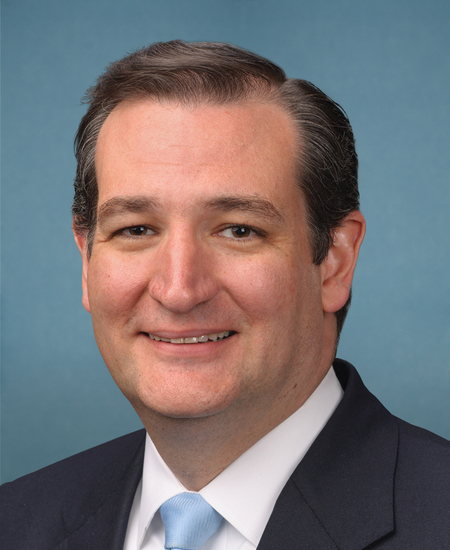
119th Congress Introduced by Ted Cruz

Prohibits professional asset managers from voting shareholder proxies for federal employees' Thrift Savings Fund, restricting corporate governance influence over $800 billion in retirement assets.

Introduced in Senate
0
WeVote Research Nonpartisan
Bill Summary · S 3263

Legislative bill overview

S 3263 would amend federal law to prevent professional asset managers hired by the Thrift Savings Fund (the retirement savings plan for federal employees) from voting on shareholder matters related to securities held by the fund. Currently, these managers can exercise voting rights on corporate governance issues; this bill would strip them of that authority.

Why is this important

The Thrift Savings Fund manages approximately $800 billion in retirement assets for millions of federal employees and retirees. The bill directly affects how the fund exercises corporate governance power at thousands of companies, potentially influencing environmental, social, and governance (ESG) policies and other shareholder initiatives. This represents a fundamental shift in how federal employee retirement assets engage with corporate leadership.

Potential points of contention

  • Fiduciary duty concerns: Asset managers typically argue that voting rights are part of their fiduciary obligation to maximize returns; removing this authority could complicate their legal responsibilities and potentially harm fund performance
  • ESG policy proxy war: This bill appears designed to prevent asset managers from voting on ESG-related shareholder proposals, making it ideologically charged around climate change and social policy initiatives
  • Practical governance gaps: The bill doesn't clearly specify who would exercise voting rights if managers cannot, potentially leaving billions in assets without defined proxy voting authority

Compiled from official sources — confirm details with the bill’s official record.

Sign in to ask a question.