

WeVote

Bill

Bill

S 4375

RETAIN Act of 2026

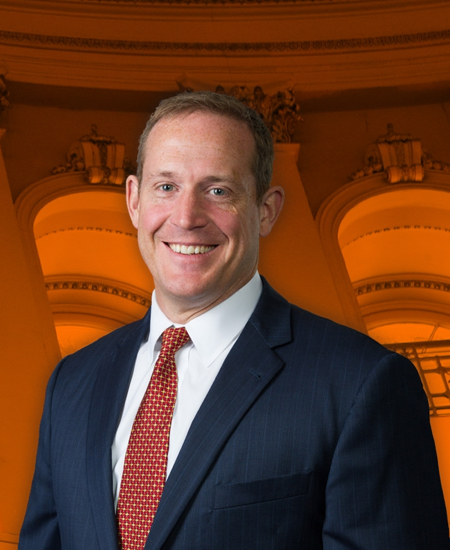
119th Congress Introduced by Ted Budd and 7 co-sponsors

Raises the maximum aviation incentive pay for officers with more than 8 years of service and expands retention incentives to improve aviation officer retention.

Introduced in Senate
0
WeVote Research Nonpartisan
Bill Summary · S 4375

Summary of S. 4375 (Session 119)

Proposed legislation to amend title 37, United States Code, regarding aviation incentive pay for aviation officers and retention incentives.

Purpose and intent

  • The bill aims to increase aviation incentive compensation for aviation officers with more than 8 years of aviation service.
  • It seeks to enhance retention incentives available to aviation officers, presumably to improve career longevity and readiness within military aviation fields.

Key provisions (proposed changes)

  • Aviation incentive pay: The bill would require payment of the maximum amount of aviation incentive pay to aviation officers who have more than 8 years of aviation service. This implies elevating or standardizing the top tier of aviation incentive compensation for that subgroup.
  • Retention incentives: The legislation would expand or strengthen retention incentives available to aviation officers. While the exact mechanisms are not fully specified in the summary, this typically could include bonuses, early retirement credits, or other financial or career-enhancement incentives designed to keep qualified aviation personnel in service.

Who/what is affected

  • Primary beneficiaries: Aviation officers (military pilots and other aviation officers) who have more than 8 years of aviation service.
  • affected parties could include:
    • Military branches with aviation officers (e.g., U.S. Army/Air Force/Navy/Marine Corps aviation personnel depending on the bill’s scope in practice).
    • DoD payroll and personnel systems responsible for administering aviation incentive pay and retention programs.
    • Potentially, command structures and budgeting offices that manage incentive compensation and retention programs.

Procedural and timeline aspects

  • Introduction and sponsorship: The bill was introduced in the Senate and has several co-sponsors, including Angus King, Tim Kaine, Ted Budd, Jeanne Shaheen, Eric Schmitt, Kevin Cramer, Mike Rounds, and Tim Sheehy.
  • Committee action: As of the latest action, the bill was read twice and referred to the Senate Committee on Armed Services (April 22, 2026).
  • Next steps: The committee would study, possibly amend, and vote on advancing the bill. If approved, it would move to the full Senate for consideration, and subsequently would need passage by the House (or reconciliation if applicable) and presidential action to become law.

Additional notes

  • The summary provided does not include the full text of amendments or dollar amounts beyond the stated intent to pay the maximum aviation incentive pay; the exact definitions of “maximum amount” and the specific retention incentives would be clarified in the bill’s text and any committee reports.
  • Budgetary impact: Enhancing incentive pay and retention benefits would have fiscal implications for DoD personnel compensation; the bill would likely require appropriations or reallocation within defense programs.

If you’d like, I can pull the bill’s text or related committee briefing to extract precise language on how “maximum aviation incentive pay” is defined and what specific retention incentives are proposed.

Compiled from official sources — confirm details with the bill’s official record.

Sign in to ask a question.