

WeVote

Bill

Bill

S 4224

Dalilah’s Law Act

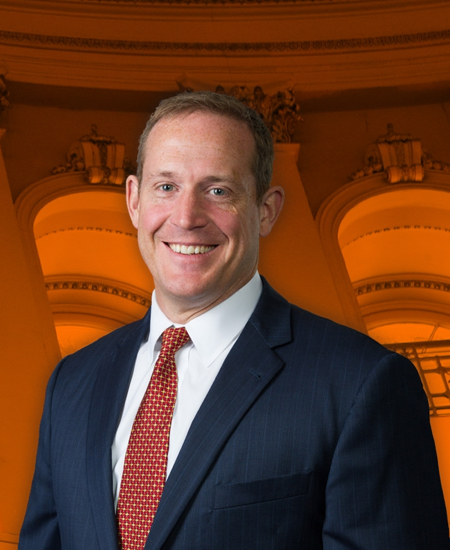
119th Congress Introduced by Ted Budd and 4 co-sponsors

Bill prohibits specified non-citizens from obtaining or using commercial driver's licenses for interstate/international commerce, shifting state licensing decisions under federal immigration criteria.

Introduced in Senate
0
WeVote Research Nonpartisan
Bill Summary · S 4224

Legislative bill overview

S 4224 would amend federal law to prohibit certain categories of non-citizens from obtaining or using commercial driver's licenses (CDLs) for interstate or international commerce. The bill targets specific alien populations, though the exact categories are not detailed in the provided information. This represents a restriction on licensing authority currently held by individual states.

Why is this important

Commercial driver's licenses are essential for operating commercial vehicles across state lines and internationally, affecting trucking, transportation, and logistics industries. The bill would potentially impact workforce availability in transportation sectors while raising questions about federal versus state regulatory authority. The measure also relates to broader immigration enforcement and national security considerations regarding identification documents.

Potential points of contention

  • Federalism concerns: States currently control CDL issuance under federal standards; this bill would impose additional federal restrictions on state licensing decisions, potentially creating conflicts with state sovereignty
  • Economic impact: Transportation and logistics industries depend on CDL holders; restrictions could reduce available workforce and increase operational costs, particularly in regions with immigrant workers
  • Implementation ambiguity: The bill's reference to "certain aliens" lacks specificity in the provided text, raising questions about who qualifies for exclusion and how states would enforce determinations without clear federal guidance
  • Due process questions: How determinations of alien status are made and whether affected individuals have appeal mechanisms

Compiled from official sources — confirm details with the bill’s official record.

Sign in to ask a question.