

WeVote

Bill

Bill

S 4902

A bill to amend the Trademark Act of 1946 to prohibit a private entity from registering a trademark that is used by the United States Government for the purposes of Department of Defense or Armed Forces awards, and for other purposes.

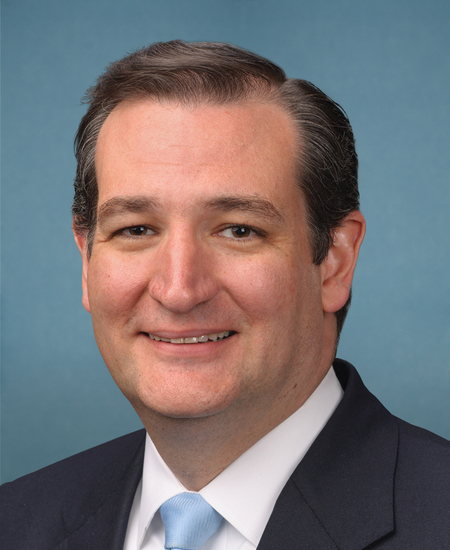
119th Congress Introduced by Ted Cruz

The bill would block private entities from registering trademarks used by the U.S. government for DoD or Armed Forces awards.

Introduced in Senate
0
WeVote Research Nonpartisan
Bill Summary · S 4902

Overview

S. 4902, introduced in the 119th Congress and co-sponsored by Senator Ted Cruz, seeks to amend the Lanham Act (Trademark Act of 1946) to restrict the registration of certain trademarks. Specifically, the bill targets marks that are used by the United States Government for Department of Defense (DoD) or Armed Forces awards. The intent appears to prevent a private entity from registering a trademark that the U.S. government uses for official military awards or recognition programs, thereby protecting government use and preventing potential private encroachment or confusion.

Main purpose and intent

  • Prohibit or restrict private entities from obtaining trademark registration for marks that are used by the U.S. Government in connection with DoD or Armed Forces awards.
  • Preserve government ownership and control over marks associated with federal military awards and related government-sponsored recognition programs.
  • Reduce potential conflicts or confusion between private trademark rights and government uses of the same or substantially similar marks in official military award contexts.

Key provisions and changes (as implied by the bill’s title and summary)

  • Amend the Trademark Act of 1946 (Lanham Act) to create limitations or prohibitions on registering certain marks by private parties.
  • Target marks that are used by the U.S. Government specifically for DoD or Armed Forces awards.
  • Potentially define “used by the United States Government for the purposes of Department of Defense or Armed Forces awards” to establish qualifying criteria for marks subject to the restriction.
  • Establish enforcement mechanisms or remedies if a private entity attempts to register a restricted mark (though specific enforcement language is not provided in the summary available).

Who/what would be affected

  • Private trademark applicants seeking registration for marks used in or associated with U.S. DoD or Armed Forces award programs.
  • Potentially DoD and other military branches or associated agencies that use specific award marks in official capacity.
  • Trademark registrants and brand owners whose marks are used in connection with military awards may face limitations on registration rights for those specific marks.

Procedural and timeline aspects

  • Introduced in the Senate and referred to the Committee on the Judiciary.
  • Read twice and scheduled for committee consideration as of the latest action (June 24, 2026).
  • No floor passage or additional amendments are noted in the current action history provided.

Potential implications and considerations

  • Clarifies or strengthens government prerogatives to protect marks tied to military recognition programs, potentially reducing private enforcement or acquisition of similar marks.
  • Could affect private entities seeking to capitalize on marks associated with DoD or Armed Forces awards, including branding, merchandising, or sponsorship contexts.
  • May raise questions about definitional scope (what constitutes “uses by the U.S. Government” for purposes of DoD/Armed Forces awards) and how inclusivity of related awards programs is determined.
  • If enacted, firms involved in military awards branding would need to review marks for potential limitations under the amended Lanham Act.

Note: The summary reflects the bill’s stated purpose and the action history available. For precise statutory text, definitions, penalties, and implementing details, the bill’s full language and committee reports should be consulted.

Compiled from official sources — confirm details with the bill’s official record.

Sign in to ask a question.