Summary of Bill: S.4297 (119th Congress)
Basic Information
- Title: A bill to amend the Internal Revenue Code of 1986 to repeal the tax credit for contributions of individuals to scholarship granting organizations, and for other purposes.
- Session/Jurisdiction: United States Senate, 119th Congress
- Introduced: April 15, 2026
- Status: Read twice and referred to the Committee on Finance (as of April 15, 2026)
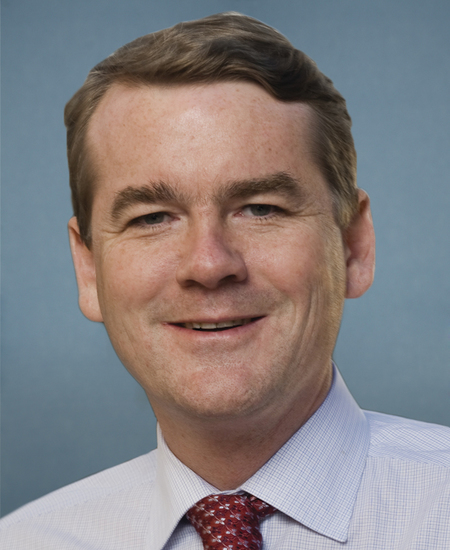
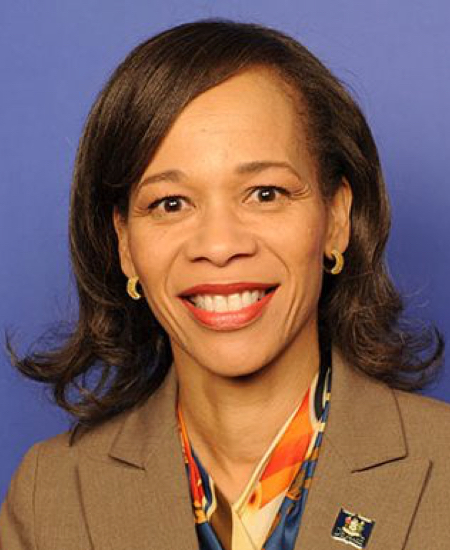
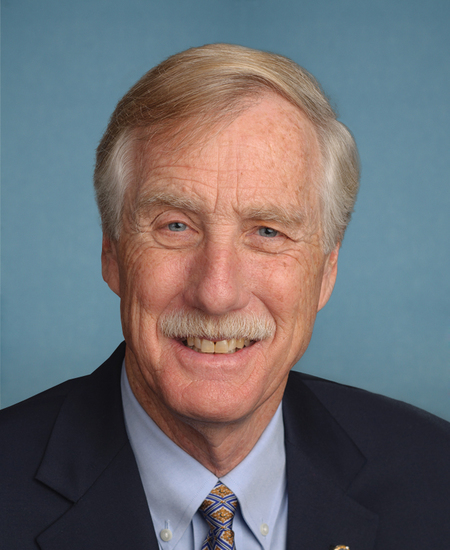
- Sponsors: Bi-partisan group of 30+ senators led by well-known health/education/social policy figures (including Bernie Sanders, Elizabeth Warren, Chuck Schumer, Amy Klobuchar, etc.). Co-sponsors include Lisa Blunt Rochester, Michael Bennet, Angus King, Mark Kelly, and many others across the political spectrum.
What the Bill Does
- Core Change: Repeals the existing federal income tax credit that individuals may claim for contributions to Scholarship Granting Organizations (SGOs). In other words, the bill eliminates the tax incentive that encourages private individuals to donate to SGOs by allowing a tax credit against their personal income tax liability.
- Scope of repeal: The repeal would apply specifically to the individual tax credit for charitable contributions to SGOs. The bill title indicates this is the primary targeted tax provision; it does not, on its face, repeal other education-related tax provisions unless specified in the text of the bill (not provided here).
Key Provisions and Provisions Likely Implications
- Tax Credit Elimination:
- Individuals would no longer be eligible for a tax credit for donations to SGOs.
- The loss of this incentive could affect donation levels to SGOs, which are organizations that fund scholarships for students to attend private or alternative education options.
- Revenue Impact:
- Removing the credit would reduce tax expenditures (federal outlays via credits) and potentially Increase federal revenue (or reduce foregone revenue), depending on the bill’s broader budgetary context and interaction with other credits.
- Definitions and Mechanics (typical):
- The repeal would reference the existing Internal Revenue Code provisions that authorize the credit, define an SGO, and set eligibility rules. The bill would remove those sections or amend code accordingly.
- Potential transitional rules or phase-out considerations could be included, but are not specified in the summary provided.
Who Would Be Affected
- Individuals Claiming the Credit: Taxpayers who contribute to SGOs and previously claimed the associated federal tax credit would lose that credit option.
- SGOs and Beneficiaries: SGOs that rely on individual charitable contributions to fund scholarships could see changes in donation dynamics, potentially affecting scholarship awards or program funding.
- Education and Private School Funding Landscape: Depending on broader tax policy interactions, there could be indirect effects on private schooling access and choice-related dynamics, as SGOs are one mechanism to fund scholarships.
Procedural and Timeline Aspects
- Next Steps in Legislation:
- Referred to the Senate Committee on Finance for review, possible markup, and further legislative actions.
- If reported out, the bill would proceed to the full Senate for debate and a vote, followed by potential conference actions with the House if passed in that chamber.
- Effective Date (Typically): If enacted, the repealing provision would specify an effective date (commonly the start of a tax year or a future date). The exact effective date is not provided in the summary.
Context and Considerations
- The bill’s introduction and wide sponsor list suggest a broad policy stance on reducing or simplifying certain tax expenditures related to education subsidies.
- The policy rationale commonly cited for repealing an SGO credit would involve concerns about targeting efficiency, equity, or budgetary considerations, though specific arguments are not provided here.
If you’d like, I can pull the full text or committee report to provide precise sections, official fiscal impact estimates, or to map the bill’s provisions to current law references.





Start the Conversation
Be the first to share your thoughts on this petition. Your voice matters!