

WeVote

Bill

Bill

S 4918

A bill to amend the Internal Revenue Code of 1986 to provide incentives for students to earn child care-related degrees and to work in child care facilities.

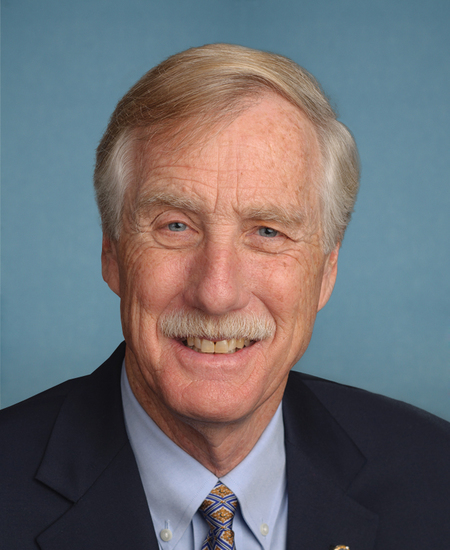
119th Congress Introduced by Angus King and 2 co-sponsors

S. 4918 would create tax incentives for students in child care degree programs and tie benefits to working in licensed child care facilities to grow the sector’s workforce.

Introduced in Senate
0
WeVote Research Nonpartisan
Bill Summary · S 4918

Summary of Bill: S. 4918 (119th Congress)

Purpose and Intent

  • S. 4918 aims to modify the Internal Revenue Code of 1986 to create incentives that encourage students to pursue degrees related to child care and to subsequently work in child care facilities.
  • The overarching goal is to bolster the child care workforce by aligning higher education incentives with the needs of licensed child care providers.

Key Provisions

  • Tax incentives for degree pursuit:
    • The bill would establish or expand tax benefits (such as credits or deductions) for students enrolled in accredited postsecondary programs focused on child care, early childhood education, or related fields.
    • Incentives are designed to reduce the net cost of education for students pursuing these degrees.
  • Workforce participation incentives:
    • The bill would create or enhance mechanisms to encourage graduates to work in licensed child care facilities. This could include credits, deferrals, or other favorable tax treatment conditioned on employment in child care settings.
    • Possible provisions may tie incentives to service duration (e.g., number of years worked in a qualifying facility) or to geographic or facility-type criteria (e.g., centers serving certain populations or meeting quality standards).
  • Eligibility and administration:
    • The bill would set eligibility criteria for students (accredited programs, degree level, etc.) and for employers or facilities (licensing status, location, and compliance with regulations).
    • Provisions would address how incentives are claimed (through annual tax filings) and any documentation requirements to verify enrollment and subsequent employment.

Who Would Be Affected

  • Students enrolled in or planning to enroll in child care-related degree programs at accredited colleges or universities.
  • Individuals entering or currently working in the child care workforce, particularly those who meet the employment conditions tied to the incentives.
  • Postsecondary institutions offering early childhood education and related programs, which may see changes in enrollment patterns due to the new incentives.
  • Licensed child care facilities and providers that may benefit from a more qualified workforce and potential shifts in staffing costs or retention.

Procedural and Timeline Aspects

  • Introduction and Referral:
    • Introduced in the Senate.
    • Read twice and referred to the Committee on Finance (as of 2026-06-24).
  • Sponsor Fiscal Policy Context:
    • The Finance Committee typically handles tax-related provisions, revenue impact, and program design details.
  • Potential Committee Process:
    • The Committee on Finance would assess revenue implications, guard against abuse, and refine eligibility rules, definitions, and enforcement mechanisms.
  • Legislative Path:
    • After committee markup, the bill would proceed to full Senate consideration, then potentially to the House or further reconciliation steps depending on legislative strategy and cross-chamber negotiations.

Potential Impact and Considerations

  • Educational Access: Lowered after-tax cost for students pursuing child care-related degrees, potentially expanding the pipeline into the child care sector.
  • Workforce Quality and Availability: By tying incentives to employment in child care facilities, the bill could improve staff qualifications and retention, addressing shortages in the sector.
  • Economic Considerations: Tax-based incentives would have a fiscal impact; evaluating cost to the Treasury and potential offsetting benefits (e.g., improved child outcomes, workforce stability) would be central to future analyses.
  • Program Safeguards: Key design questions would include ensuring robust eligibility verification, preventing double-dipping with other benefits, and aligning incentives with quality standards in child care.

If you’d like, I can tailor this summary to a specific audience (e.g., policymakers, educators, or the general public) or add a brief comparison to existing education tax credits and workforce incentives.

Compiled from official sources — confirm details with the bill’s official record.

Sign in to ask a question.