

WeVote

Bill

Bill

S 4771

Protecting Asylum Integrity Act

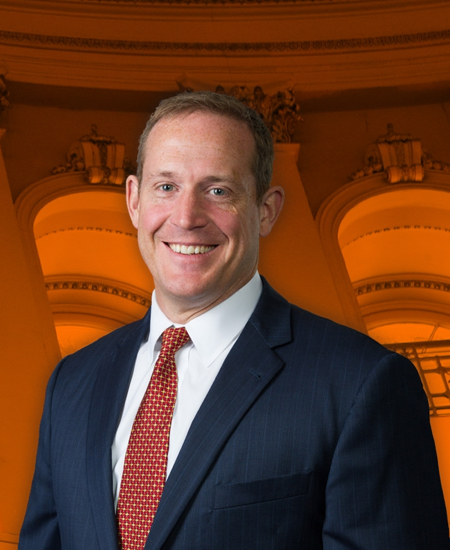
119th Congress Introduced by Ted Budd and 1 co-sponsor

The bill would require DHS to collect a new fee from individuals undergoing credible fear interviews to fund asylum processing and related activities.

Introduced in Senate
0
WeVote Research Nonpartisan
Bill Summary · S 4771

Summary of Bill: S. 4771 (119th Congress)

Purpose and Intent

  • The bill proposes to amend the Immigration and Nationality Act to establish a new fee paid to the Department of Homeland Security (DHS) specifically for credible fear interviews (CFIs).
  • The underlying aim is to create a revenue source tied to asylum processing steps, by requiring DHS to collect a fee prior to or in connection with credible fear assessments.

Key Provisions and Changes

  • Fee Assessment for CFIs: The core change is to mandate the collection of a fee from individuals undergoing credible fear interviews, which are the initial screening interviews used to determine whether an asylum-seeker has a credible fear of persecution or danger if returned to their home country.
  • Collection Mechanism: The bill directs DHS to establish and administer the fee collection process. The specific mechanics (who pays, when payment is due, accepted payment methods) would be determined by DHS regulations under the authorization provided by the act.
  • Use of Funds: Although not always detailed in summaries, legislation of this type typically designates how the collected funds are to be used (e.g., to fund the costs of CFIs, asylum processing infrastructure, or related adjudicatory activities). The bill text would specify allowable uses and any restrictions.
  • Other Provisions: The bill may include conforming amendments or technical changes to align the act with the new fee requirement, and it could address related administrative or enforcement considerations.

Affected Parties and Impacts

  • Individuals Seeking Asylum: Foreign nationals undergoing credible fear interviews would be subject to paying the new fee, potentially increasing the financial burden on asylum seekers at an early stage of their process.
  • U.S. Department of Homeland Security (DHS): Responsible for implementing, collecting, and accounting for the new fee; may require budget, administrative adjustments, and regulatory rulemaking.
  • Immigration Adjudication Process: The CFI phase could be affected by changes in timing, processing flow, or resource allocation due to the new fee regime.
  • General Public/Policy Environment: The fee could influence debates around asylum processing efficiency, border management resources, and the overall cost-shifting between applicants and government services.

Procedural and Timeline Aspects

  • Introduced and Read: The bill was introduced in the Senate and read twice before referral to the Committee on the Judiciary.
  • Committee Consideration: As of the latest action, the bill has been referred to the Judiciary Committee, where it would undergo hearings, potential amendments, and veto-proofing analyses before a possible floor vote.
  • Sponsorship: The bill lists two co-sponsors: Sen. Rick Scott and Sen. Ted Budd, indicating Republican support in the sponsor group.

Notes and Considerations

  • The bill’s text would provide precise details on fee amounts, exemptions (e.g., for vulnerable populations), indexing, enforcement, and any sunset or renewal provisions.
  • Fee-based funding proposals often raise questions about access to asylum, potential chilling effects, and compliance with international protection obligations, which would likely be addressed in committee discussions and potential amendments.

If you’d like, I can tailor this summary to a specific audience (e.g., policymakers, advocacy groups, legal practitioners) or compare it to current law provisions governing credible fear interviews.

Compiled from official sources — confirm details with the bill’s official record.

Sign in to ask a question.