

WeVote

Bill

Bill

S 5262

A bill to amend the Federal Water Pollution Control Act to clarify the definition of navigable waters, and for other purposes.

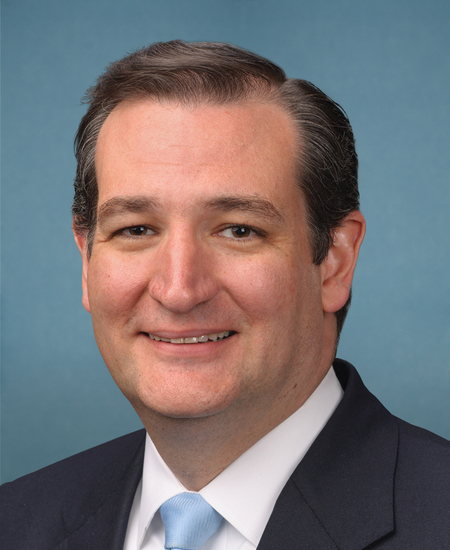
119th Congress Introduced by Ted Cruz and 2 co-sponsors

The bill clarifies what counts as navigable waters under the Clean Water Act, defining criteria to limit and guide federal regulatory authority over waters and related wetlands.

Introduced in Senate
0
WeVote Research Nonpartisan
Bill Summary · S 5262

Summary of Bill: S. 5262 (119th Congress) – A bill to amend the Federal Water Pollution Control Act to clarify the definition of navigable waters, and for other purposes

Purpose and intent

  • The bill seeks to amend the Federal Water Pollution Control Act (the Clean Water Act, CWA) with the aim of clarifying the definition of “navigable waters.”
  • By refining how navigability is determined, the bill intends to influence regulatory authority over waters and related wetlands, potentially narrowing or reframing the scope of federal jurisdiction under the CWA.
  • The sponsors adopt a perspective that clearer criteria for navigable waters will guide and limit federal regulatory reach, with implications for water quality regulation, permitting, and associated compliance.

Key provisions and changes (highlights)

  • Amendment to the Clean Water Act: The core change is a specification or clarification of what constitutes “navigable waters.”
  • Jurisdictional clarity: The bill is designed to establish more precise boundaries for federal regulatory authority over waters, including the scope of coverage for discharges, permits, and other CWA enforcement activities.
  • Potential standards or criteria: While the exact statutory language is not provided here, the bill is expected to introduce criteria or tests to determine navigability, which could influence how waters and adjacent wetlands are treated under federal rules.

Who or what would be affected

  • Federal regulatory authority: Agencies implementing the CWA, such as the Environmental Protection Agency (EPA) and the Army Corps of Engineers, would operate within a clarified navigability framework.
  • States and local governments: Impacts may include changes to how states implement permitting programs and coordinate with federal agencies on water quality regulation.
  • Stakeholders with water resources interests: Industries and landowners whose projects involve wetlands, streams, or other water bodies could experience shifts in permitting requirements, compliance costs, and project timelines depending on whether waters fall within federal jurisdiction under the clarified definition.
  • Environmental protection and water quality programs: The scope and reach of federal oversight for pollution discharges and permit reviews could be altered.

Procedural and timeline aspects

  • Introduction and referral: The bill was introduced in the Senate and referred to the Committee on Environment and Public Works on August 5, 2026.
  • Sponsorship: Co-sponsors include Mike Lee, Rand Paul, and Ted Cruz, indicating support from certain Republican members in the Senate.
  • Next steps: As a committee, it would undergo hearings, markup, and potential amendments before any floor vote. If advanced, it would proceed to consideration by the full Senate and, thereafter, potential conference with the House.

Practical implications and considerations

  • Legal and regulatory nuance: Clarifying navigable waters can be a technically complex issue with significant environmental, economic, and land-use implications. The bill would require agencies to apply the clarified standard in regulatory determinations, permits, and jurisdictional decisions.
  • Environmental protection balance: Depending on the final language, the bill could either narrow or redefine federal oversight. This may affect protection of wetlands and water quality in areas where jurisdiction was previously contested.
  • Compliance and costs: Entities subject to the CWA may see changes in permitting requirements, which could affect project planning, timelines, and compliance costs.

If you’d like, I can tailor this summary to emphasize specific provisions once the bill’s text is available, or compare it to existing navigability criteria (e.g., ambiguous areas, interstate waters, or wetlands) to illustrate practical examples.

Compiled from official sources — confirm details with the bill’s official record.

Sign in to ask a question.