

WeVote

Bill

Bill

S 3284

A bill to amend chapter 53 of title 49, United States Code, to allow funding recipients to assume certain responsibilities relating to the National Environmental Policy Act of 1969.

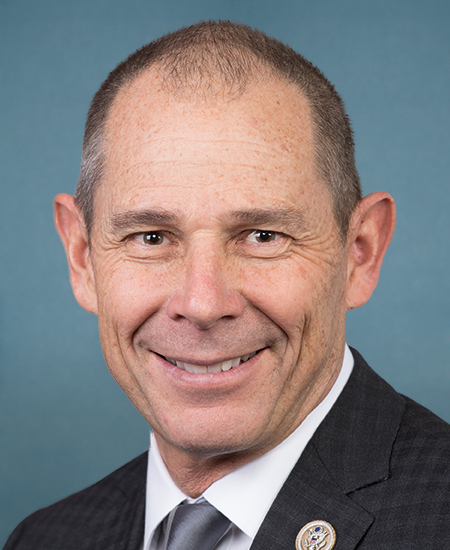
119th Congress Introduced by John Curtis and 3 co-sponsors

S 3284 allows transportation funding recipients to assume federal environmental review duties under NEPA, potentially accelerating projects but shifting oversight from federal to state/local authorities.

Introduced in Senate
0
WeVote Research Nonpartisan
Bill Summary · S 3284

Legislative bill overview

S 3284 amends federal transportation funding law to permit recipients of federal transit funds to take on certain responsibilities currently handled by federal agencies under the National Environmental Policy Act (NEPA). This would allow state and local transportation authorities to conduct environmental reviews and make decisions that the federal government typically oversees when distributing federal transportation dollars.

Why is this important

This affects how major transportation projects—highways, transit systems, infrastructure improvements—get approved and funded. Shifting NEPA responsibilities to local recipients could accelerate project timelines by reducing federal review processes, but it also raises questions about consistent environmental protection standards and federal oversight of publicly-funded projects across different regions.

Potential points of contention

  • Environmental protection standards: Whether state and local authorities will apply NEPA protections as rigorously as federal agencies, or if standards will vary significantly by jurisdiction
  • Federal oversight reduction: The extent to which federal government should delegate environmental review authority for projects using federal taxpayer dollars
  • Implementation complexity: Determining which specific NEPA responsibilities transfer, what qualifications local recipients need, and how federal agencies maintain accountability for delegated duties

Compiled from official sources — confirm details with the bill’s official record.

Sign in to ask a question.