

WeVote

Bill

Bill

S 3443

Zero Food Waste Act

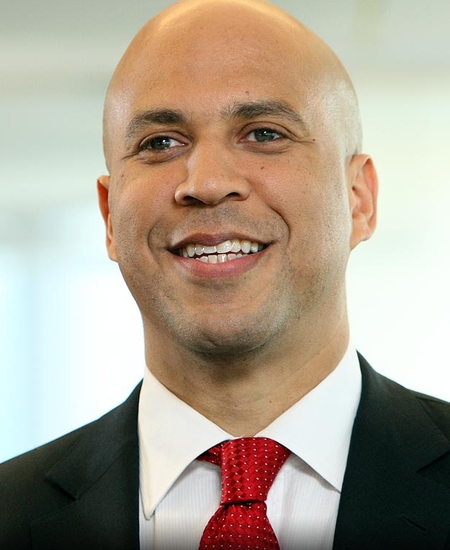
119th Congress Introduced by Cory Booker

S.3443 incentivizes food waste reduction through tax credits and federal coordination to redirect edible surplus food and decrease environmental/economic losses from disposal.

Introduced in Senate
0
WeVote Research Nonpartisan
Bill Summary · S 3443

Legislative bill overview

The Zero Food Waste Act establishes federal initiatives and incentives to reduce food waste across the supply chain, from production through consumer disposal. The bill likely includes provisions for food donation tax credits, grants for waste reduction infrastructure, and coordination between federal agencies to minimize edible food discarded at various stages.

Why is this important

Food waste represents significant economic loss (estimated $161 billion annually in the U.S.) and environmental impact through methane emissions and resource depletion. Addressing this issue could simultaneously improve food security for low-income populations, reduce environmental harm, and support agricultural and retail businesses through efficiency improvements.

Potential points of contention

  • Tax credit scope and cost: Expanding food donation tax credits increases federal revenue loss; debate will center on whether incentives effectively increase donations or simply subsidize existing practices
  • Liability concerns: Food businesses may resist broader donation requirements if protections under the Bill Emerson Good Samaritan Act are seen as insufficient, limiting participation
  • Implementation complexity: Coordinating waste reduction across federal agencies, state programs, and private sector requires substantial infrastructure investment and regulatory clarity, with questions about feasibility and cost allocation

Compiled from official sources — confirm details with the bill’s official record.

Sign in to ask a question.