

WeVote

Bill

Bill

SB 3920

YOUTH HEALTH PROTECTION ACT

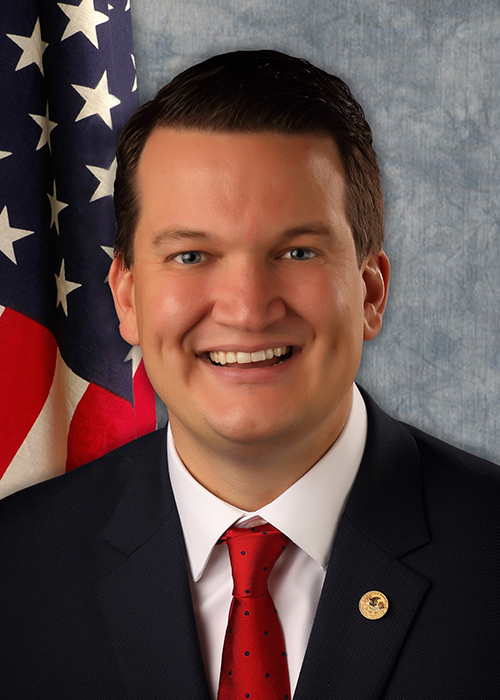
104th Regular Session Introduced by Andrew Chesney

The act sets standards for minors’ medical care, including consent, information disclosure, and privacy, affecting how guardians, providers, and schools handle youth health decisio

Referred to Assignments
0
WeVote Research Nonpartisan
Bill Summary · SB 3920

Overview

SB 3920 from the 104th Illinois General Assembly, titled the Youth Health Protection Act, is a bill sponsored with a co-sponsor by Andrew Chesney. The summary below highlights the bill’s main purpose, key provisions, who would be affected, and notable procedural/timeline aspects. (Please note: this summary reflects the bill as introduced and is intended to convey substantive elements; for enforcement and current status, consult the latest legislative text and amendments.)

Purpose and intent

  • The bill aims to protect certain aspects of youth health by establishing standards, procedures, or restrictions related to medical care, information, or services for minors. The exact scope is defined in the statutory text, but the overarching aim is to regulate how youth health decisions are made, who can authorize care, and what information must be provided to or by minors and their guardians.

Key provisions (high-level)

  • Restrictions or requirements on medical treatment for minors: The bill likely sets conditions under which health care providers may perform or initiate specific treatments for youth, which could include consent requirements, parental involvement, or notification obligations.
  • Informed consent and information disclosure: Provisions may specify what information must be provided to minors and their parents/guardians before certain health services are rendered, including potential risks, alternatives, and outcomes.
  • Access to and handling of health records: The Act could address privacy, access rights, or limitations on the release of minors’ health information without parental consent.
  • Geographic or institution-specific applicability: The bill may designate settings (e.g., schools, clinics) or particular types of health services to which the provisions apply.
  • Compliance and enforcement: Provisions on penalties, remedies, or enforcement mechanisms for violations of the Act are likely included, along with regulatory or administrative responsibilities.

Note: The exact text would specify the precise medical services covered (e.g., reproductive health, gender-affirming care, mental health services, or general medical treatment) and the exact consent/notification requirements.

Who is affected

  • Minors seeking medical care: The act affects consent procedures, information disclosure, and access to treatments for youth.
  • Parents and guardians: Likely increased or clarified roles in decision-making and consent for certain health services.
  • Health care providers and facilities: Providers may face new consent, notification, or documentation requirements and potential penalties for non-compliance.
  • Schools or youth-serving institutions (if applicable): If the bill includes school-based health services or oversight, schools may be affected in terms of policies or procedures.

Procedural and timeline aspects

  • Legislative status: As a bill introduced in the 104th Illinois General Assembly, it would proceed through the standard committee process, including hearings, amendments, and votes in both chambers.
  • Effective date: The bill would specify an effective date (often on a specific date or after enactment) for when the provisions apply.
  • Sunset or review provisions: Some bills include periodic review or sunset clauses; check the text for any such features.

Potential impacts and considerations

  • Compliance burden: Health care providers may need to update consent forms, training, and record-keeping.
  • Youth autonomy vs parental involvement: The bill’s provisions may shape the balance between a minor’s access to care and parental rights.
  • Privacy protections: Provisions related to minors’ health information could affect confidentiality practices in clinical and school settings.
  • Administrative enforcement: Penalties or sanctions for violations would influence how strictly the act is implemented.

For a precise understanding, please refer to the bill’s enacted text and any amendments, which will specify the exact services covered, consent frameworks, definitions (e.g., “minor,” “guardian,” “health information”), and enforcement mechanisms. If you’d like, I can extract and organize specific sections from the current bill text once you provide it or confirm its latest status.

Compiled from official sources — confirm details with the bill’s official record.

Sign in to ask a question.