

Bill

BILL • US HOUSE

HR 7479

WORK to Save Lives Act

119th Congress
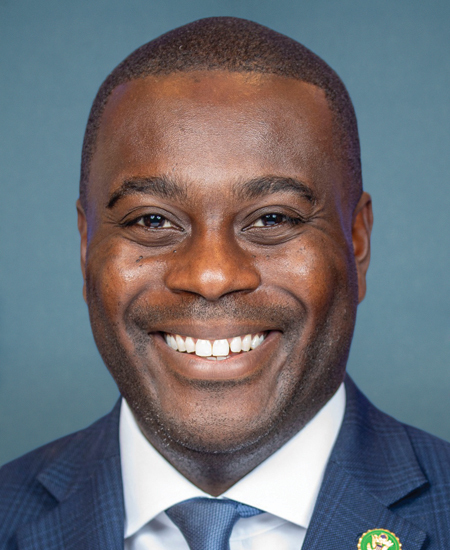
Introduced by Gabe Amo, Nikki Budzinski, André Carson and 11 other co-sponsors

HR 7479 establishes workplace safety and health programs to reduce occupational injuries and fatalities through enhanced standards, training, and employer accountability measures.

Introduced in House
0
0
Bill Summary • HR 7479

Legislative bill overview

HR 7479, the WORK to Save Lives Act, establishes workplace safety and health initiatives designed to reduce occupational injuries, illnesses, and fatalities. The bill likely includes provisions for enhanced OSHA enforcement, worker training programs, employer accountability measures, or mental health support in work environments. The bipartisan sponsorship suggests focus on broadly applicable workplace protections.

Why is this important

Workplace injuries and illnesses cost the U.S. economy billions annually in lost productivity, medical expenses, and worker compensation claims. Enhanced workplace safety standards can prevent deaths and reduce disability, directly affecting millions of American workers and their families. The bill's passage could establish new baseline safety requirements across industries.

Potential points of contention

  • Regulatory burden on businesses: Employers may argue new requirements increase compliance costs, particularly for small businesses with limited resources for implementation
  • Scope and enforcement mechanisms: Disagreement over whether standards should be industry-specific or universal, and how strictly OSHA should penalize non-compliance
  • Funding allocation: Debate over whether taxpayer funding should support worker training programs versus allowing private sector responsibility, and budget priorities for OSHA expansion

Hi! I'm your AI assistant for HR 7479. I can help you understand its provisions, impacts, and answer any questions.

Key Provisions Impacts Timeline
Sign in to chat