Summary of HR 660 - WISER Act of 2025
Overview
The Women Involuntarily Separated Earning Remittance Act of 2025, commonly referred to as the WISER Act of 2025, aims to address the financial challenges faced by women who have been involuntarily separated from military service. The bill was introduced in the House of Representatives on January 23, 2025, and is currently under consideration by the Subcommittee on Disability Assistance and Memorial Affairs.
Purpose and Intent
The primary purpose of the WISER Act is to provide support and financial assistance to women veterans who have experienced involuntary separation from military service. The bill seeks to ensure that these individuals have access to resources that can help them transition back into civilian life and maintain financial stability.
Key Provisions
While the specific provisions of the bill have not been detailed in the provided information, the following points are typically included in legislation of this nature:
- Financial Assistance: The bill may propose direct financial support or benefits for women veterans who are involuntarily separated.
- Employment Resources: It could include measures to enhance job training and employment opportunities for affected women.
- Support Services: The legislation might also aim to improve access to counseling and support services tailored to the needs of women veterans.
Affected Parties
The WISER Act primarily impacts:
- Women Veterans: Specifically those who have been involuntarily separated from military service.
- Veterans' Organizations: Groups that provide support and resources to veterans may be involved in implementing the provisions of the bill.
- Government Agencies: Agencies responsible for veterans' affairs and military personnel management may need to adjust their policies and programs in response to the bill.
Legislative Timeline
- January 23, 2025: The bill was introduced in the House and referred to the Committee on Armed Services and the Committee on Veterans' Affairs for consideration.
- March 4, 2025: The bill was referred to the Subcommittee on Disability Assistance and Memorial Affairs for further review.
Sponsors
The WISER Act is sponsored by:
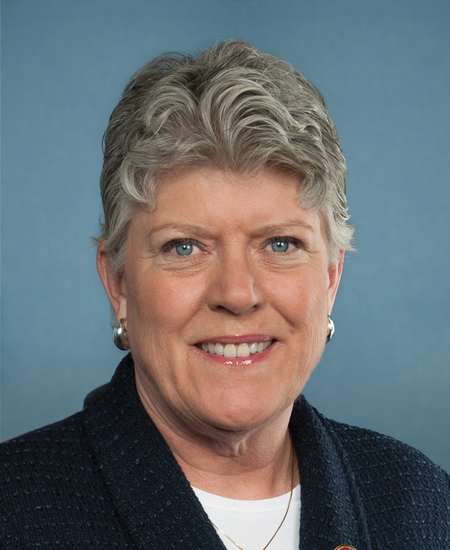
- Julia Brownley (Primary Sponsor)
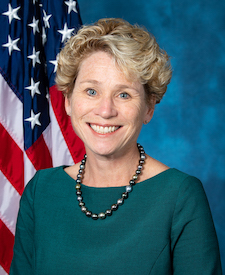
- Chrissy Houlahan (Cosponsor)
- Greg Landsman (Cosponsor)
- Timothy M. Kennedy (Cosponsor)
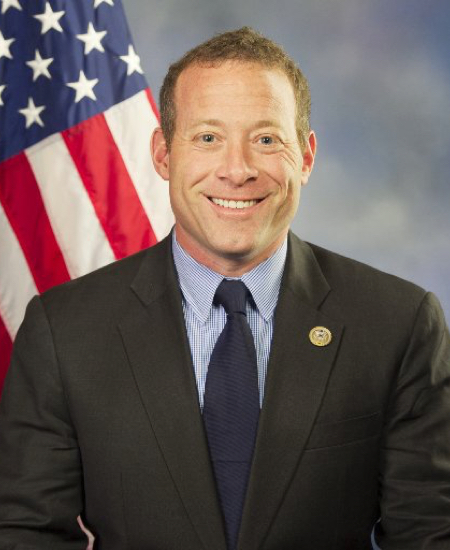
- Josh Gottheimer (Cosponsor)
- Veronica Escobar (Cosponsor)
- Ilhan Omar (Cosponsor)
Conclusion
The WISER Act of 2025 represents a legislative effort to support women veterans facing challenges due to involuntary separation from military service. As the bill progresses through the legislative process, further details regarding its specific provisions and potential impacts will become clearer. Stakeholders, including veterans' organizations and affected individuals, will be closely monitoring its development.








Start the Conversation
Be the first to share your thoughts on this petition. Your voice matters!