

Bill

BILL • US HOUSE

HR 2269

WIPPES Act

119th Congress
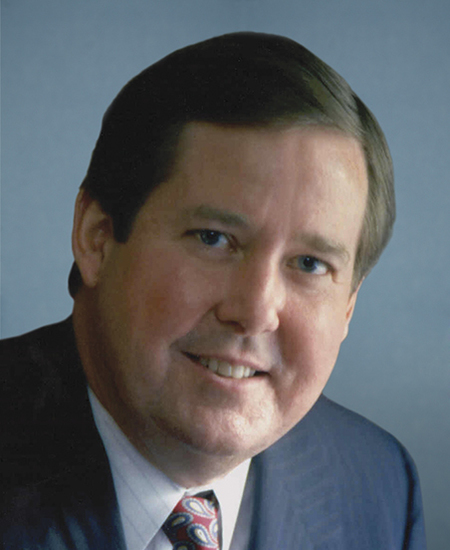
Introduced by Ken Calvert, Lou Correa, Jared Huffman and 4 other co-sponsors

The WIPPES Act mandates clear "Do Not Flush" labels on non-flushable wipes, reducing clogs in wastewater systems and educating consumers on proper disposal.

Received in the Senate.
0
0
Bill Summary • HR 2269

Summary of HR 2269 - WIPPES Act

Overview

Bill Number: HR 2269

Title: Wastewater Infrastructure Pollution Prevention and Environmental Safety Act (WIPPES Act)

Status: Received in the Senate

Introduced: March 21, 2025

Classification: Bill

The WIPPES Act aims to address significant issues related to wastewater treatment systems caused by the improper disposal of non-flushable wipes. The bill mandates clear labeling of such products to prevent clogs and environmental damage.

Purpose and Intent

The primary purpose of the WIPPES Act is to require manufacturers and other covered entities to label certain products with a clear "Do Not Flush" symbol. This initiative is designed to educate consumers and reduce the financial burden on wastewater treatment facilities, which face increased operational costs due to clogs caused by non-flushable wipes.

Key Provisions

  • Labeling Requirement: The bill mandates that all non-flushable wipes and similar products must be labeled conspicuously with "Do Not Flush" notices and symbols.
  • Consumer Education: The legislation aims to enhance consumer awareness regarding appropriate disposal practices for wipes, addressing a significant disconnect between consumer understanding and actual product disposal practices.
  • National Policy: Establishes a uniform national policy for labeling, which is intended to streamline consumer education efforts and reduce the incidence of flushing non-flushable products.

Background and Need for Legislation

The need for the WIPPES Act arises from the increasing operational costs faced by wastewater treatment facilities due to clogs caused by non-flushable wipes. A 2019 study by the National Association of Clean Water Agencies (NACWA) estimated that these wipes contribute approximately $441 million annually in additional costs across U.S. clean water utilities. In California alone, the costs are around $47 million per year.

Consumer surveys indicate a lack of understanding about what can be flushed, with many mistakenly believing that certain non-flushable products are safe to dispose of in toilets. This legislation seeks to bridge that knowledge gap through clear labeling.

Impact

  • Wastewater Treatment Facilities: The bill is expected to alleviate some of the financial burdens on these facilities by reducing the frequency of clogs and the associated repair costs.
  • Consumers: By providing clear labeling, consumers will be better informed about proper disposal methods, potentially leading to more environmentally responsible behavior.
  • Manufacturers: Companies producing wipes will need to comply with the new labeling requirements, which may involve changes to product packaging and marketing strategies.

Legislative Timeline

  • March 21, 2025: Introduced in the House and referred to the Committee on Energy and Commerce.
  • April 8, 2025: Ordered to be reported by voice vote after committee consideration.
  • June 12, 2025: Reported by the Committee on Energy and Commerce (H. Rept. 119-154).
  • June 23, 2025: Passed in the House by voice vote and received in the Senate.

Conclusion

The WIPPES Act represents a proactive approach to mitigating the environmental and financial impacts of non-flushable wipes on wastewater systems. By mandating clear labeling, the legislation aims to enhance consumer awareness and promote responsible disposal practices, ultimately benefiting both the environment and public infrastructure.

Hi! I'm your AI assistant for HR 2269. I can help you understand its provisions, impacts, and answer any questions.

Key Provisions Impacts Timeline
Sign in to chat