

WeVote

Bill

Bill

S 4451

Wildlife Health Coordination and Zoonotic Disease Prevention Act of 2026

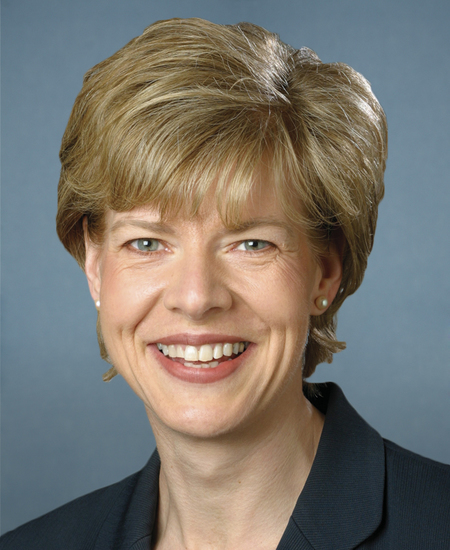
119th Congress Introduced by Tammy Baldwin

Creates a coordinated federal program with dedicated Wildlife Health Coordinators to enhance surveillance, prevention, and rapid response to wildlife diseases with zoonotic potenti

Introduced in Senate
0
WeVote Research Nonpartisan
Bill Summary · S 4451

Overview

S.4451, the Wildlife Health Coordination and Zoonotic Disease Prevention Act of 2026, would establish a formal, federally coordinated program to improve surveillance, detection, and response to wildlife diseases with zoonotic potential. The act creates a formal role for Wildlife Health Coordinators across national, regional, and tribal levels and strengthens interagency collaboration among the Interior, Agriculture, CDC, Homeland Security, and state/tribal partners. The program is designed to enhance preparedness and prevent outbreaks that could affect wildlife, livestock, domestic animals, and humans.

Primary purpose and intent

  • Improve coordination and information sharing among Federal, State, and Tribal entities on wildlife health and zoonotic disease threats.
  • Support early detection, surveillance, planning, capacity building, and rapid response to ongoing and potential wildlife disease outbreaks.
  • Create a permanent cadre of Wildlife Health Coordinators to serve as intermediaries among federal agencies, states, tribes, and other stakeholders.

Key provisions and changes

  • Establishment of the Wildlife Health Coordination and Zoonotic Disease Program within the U.S. Fish and Wildlife Service (USFWS), jointly administered with the Animal and Plant Health Inspection Service (APHIS, USDA).
  • Program purposes:
    • Enhance coordination among federal, state, and tribal partners on wildlife health and zoonotic threats.
    • Support communication, planning, and capacity-building to address national, regional, and local wildlife health concerns.
  • Creation of Wildlife Health Coordinators (positions and structure):
    • 1 National Wildlife Health Coordinator
    • 1 Tribal Wildlife Health Coordinator
    • 4 Regional Wildlife Health Coordinators (one for each defined region: Northeast, Southeast, Midwest, West)
  • Appointments and governance:
    • National Coordinator appointed by the Association of Fish and Wildlife Agencies.
    • Tribal Coordinator appointed by the Native American Fish and Wildlife Society.
    • Regional Coordinators appointed by the corresponding regional fish and wildlife associations (Western, Midwest, Northeast, Southeastern).
  • Regions:
    • Coordinators operate in four regions defined by relevant regional associations and work across states within those regions.
  • Qualifications and duties:
    • Coordinators must have expertise in wildlife health, veterinary science/epidemiology, or related fields.
    • Duties include building relationships across federal, state, tribal, and public health entities; facilitating information sharing about wildlife diseases and zoonoses; assisting states and tribes in accessing funding; coordinating interagency and cross-entity efforts; developing and sharing best management practices; and submitting a report to Congress with recommendations for improved coordination and needed resources.
  • Best management practices:
    • Develop and share practices related to wildlife health threats and zoonotic diseases, including surveillance techniques, biosafety, disease monitoring, public education, and humane field practices.
  • Funding:
    • Authorization of appropriations of $900,000 for fiscal year 2027 and each subsequent fiscal year to carry out the program.

Who is affected

  • Federal agencies: USFWS, USDA APHIS, CDC, Department of Homeland Security, and other relevant agencies.
  • State and tribal partners: State fish and wildlife agencies, tribal governments, and tribal wildlife agencies.
  • Regions and organizations: Regional associations representing state wildlife agencies (Western, Midwest, Northeast, Southeast) and national bodies (Association of Fish and Wildlife Agencies; Native American Fish and Wildlife Society).
  • Topics affected: Wildlife health surveillance, zoonotic disease prevention, cross-jurisdictional coordination, and public health preparedness related to wildlife and livestock interfaces.

Procedural and timeline aspects

  • Introduction date: April 30, 2026.
  • Referral: Committee on Environment and Public Works (Senate).
  • Funding begins with fiscal year 2027 appropriations ($900,000 annually thereafter).
  • The act specifies ongoing interagency coordination and capacity-building activities, with no immediate deadlines beyond the annual appropriation, and requires annual or periodic reporting to Congress (a report with recommendations is required from the Regional Coordinators under duties).

Notable contextual findings

  • The findings stress the public health and economic risks from zoonotic diseases, citing past incidents (e.g., avian influenza outbreaks and related indemnity costs) and highlighting the cross-border and cross-sector nature of wildlife disease threats.
  • Emphasizes the collaboration between Interior, Agriculture, CDC, and DHS as complementary roles in prevention, detection, control, and response.

If you’d like, I can provide a side-by-side comparison with current law or similar existing programs to show how this bill would alter current authorities and workflows.

Compiled from official sources — confirm details with the bill’s official record.

Sign in to ask a question.