

WeVote

Bill

Bill

HR 9243

Wildfire Smoke Emergency Declaration Act of 2026

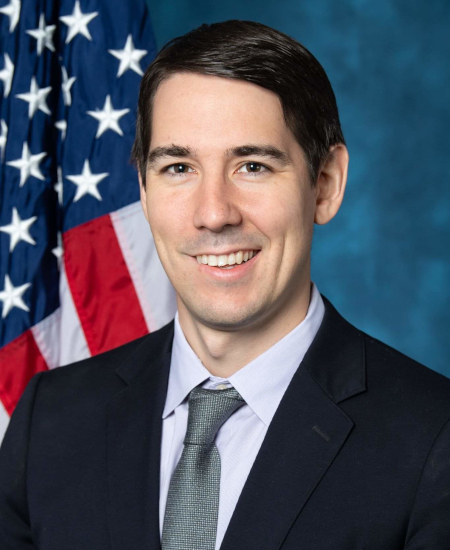
119th Congress Introduced by Josh Harder

Declares a federal “smoke emergency” to rapidly mobilize FEMA aid, shelters and air tools, plus SBA grants for businesses harmed by wildfire smoke.

Introduced in House
0
WeVote Research Nonpartisan
Bill Summary · HR 9243

Purpose and overall intent

  • HR 9243, the Wildfire Smoke Emergency Declaration Act of 2026, authorizes the President to declare a smoke emergency when there is or is anticipated to be a significant decrease in air quality due to wildland fire smoke in one or more states.
  • The declaration enables federal assistance to affected states and local communities and expands support for small businesses economically impacted by wildfire smoke.

Key provisions and changes

  • Section 2(a) – General authority:
    • The President may declare a smoke emergency in any state where there is or is expected to be a significant reduction in air quality from wildland fire smoke.
  • Section 2(b) – State request:
    • A state governor or appropriate state agency may request a smoke emergency declaration.
  • Section 2(c) – Federal assistance:
    • Upon declaration, FEMA and other federal agencies may provide smoke emergency assistance to affected states and localities.
    • Assistance may include grants, equipment, supplies, personnel, resources for smoke shelters, air purifiers, and additional air monitoring sites.
  • Section 2(d) – SBA relief:
    • SBA administrator may provide grants to eligible small business concerns that lose a significant amount of revenue due to wildfire smoke in the designated emergency area.
  • Section 2(e) – Authorization of appropriations:
    • Congress authorization for such sums as necessary to carry out the act.
  • Section 3 – Budget adjustments:
    • Adds a new category to the Balanced Budget and Emergency Deficit Control Act of 1985 for “Smoke Emergency Assistance.”
    • If Congress designates discretionary appropriations for smoke emergency assistance, the FY spending adjustment would reflect the total designated for that purpose.
    • Amounts designated for smoke emergency assistance in a given year would be treated separately and not eligible for other automatic budget adjustments.

Affected entities and beneficiaries

  • State governments (through governor requests) and local communities in states experiencing significant wildfire smoke events.
  • Federal agencies (primarily FEMA and other relevant agencies) that would administer emergency support and resources.
  • Small businesses located in or around affected areas that suffer revenue losses due to smoke, eligible for SBA grants.
  • The public in affected areas, who would benefit from smoke shelters, air purifiers, and expanded air monitoring.

Procedural and timeline aspects

  • Introduction and referral:
    • Introduced June 10, 2026, and referred to the House Committee on Transportation and Infrastructure, plus the Small Business and Budget Committees for consideration.
  • Declaration trigger:
    • The President may declare a smoke emergency when there is or is anticipated to be a significant decrease in air quality due to wildfire smoke.
  • State engagement:
    • Governors or appropriate state agencies must request the declaration for it to be considered.
  • Funding and budget implications:
    • The bill authorizes appropriations as necessary (open-ended), with a dedicated budget mechanism created to account for designated smoke emergency assistance in the budget control framework.
    • Any appropriations designated for smoke emergency assistance are tracked separately in budget rules and would not be counted toward other adjustments.

Potential impact and considerations

  • Provides a formal federal mechanism to mobilize resources quickly in response to smoke from wildfires, potentially reducing health risks and economic disruption.
  • Establishes a streamlined pathway for federal assistance, including shelters, air filtration, and monitoring, which could improve public health outcomes during smoke events.
  • Creates targeted SBA relief for small businesses negatively affected, offering financial support to sustain operations during smoke-related disruptions.
  • Budgetary impact is contingent on Congress’s annual appropriations and designation of funds as “smoke emergency assistance,” with a separate adjustment framework to track such spending.

Compiled from official sources — confirm details with the bill’s official record.

Sign in to ask a question.