

WeVote

Bill

Bill

HR 3888

Water Quality Criteria Development and Transparency Act

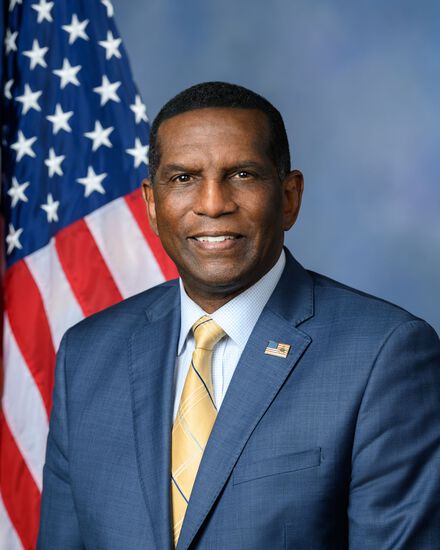
119th Congress Introduced by Burgess Owens

HR 3888 ensures the EPA develops water quality standards based on the best science, promotes public engagement, and enhances transparency for local communities and industries.

Referred to the Subcommittee on Water Resources and Environment.
0
WeVote Research Nonpartisan
Bill Summary · HR 3888

Summary of HR 3888: Water Quality Criteria Development and Transparency Act

Introduction

The Water Quality Criteria Development and Transparency Act (HR 3888) was introduced in the House of Representatives on June 10, 2025, by primary sponsor Burgess Owens. The bill aims to enhance the development and transparency of water quality criteria established by the Environmental Protection Agency (EPA).

Purpose and Intent

The primary purpose of HR 3888 is to ensure that water quality criteria are developed using the best available science and that the processes for establishing these criteria are transparent and accessible to the public. The bill seeks to improve public trust in the regulatory framework governing water quality and to ensure that stakeholders, including local communities and industries, have a clear understanding of how water quality standards are set.

Key Provisions

HR 3888 includes several significant provisions aimed at improving the water quality criteria development process:

  • Scientific Basis Requirement: The bill mandates that the EPA must base water quality criteria on the best available scientific data and methodologies. This includes peer-reviewed studies and data that reflect current scientific understanding.

  • Public Participation: The bill requires the EPA to provide opportunities for public comment and engagement during the development of water quality criteria. This aims to involve stakeholders, including local communities, environmental groups, and industry representatives, in the decision-making process.

  • Transparency Measures: HR 3888 calls for the EPA to publish detailed explanations of the scientific rationale behind proposed water quality criteria. This includes making data and methodologies used in the criteria development publicly accessible.

  • Periodic Review: The bill establishes a framework for the periodic review of existing water quality criteria to ensure they remain relevant and scientifically valid over time.

Affected Parties

The implementation of HR 3888 would primarily affect:

  • Environmental Protection Agency (EPA): The agency would be responsible for adhering to the new requirements for developing water quality criteria.

  • Local Governments and Communities: Increased transparency and public participation would empower local stakeholders to engage in discussions about water quality standards that directly affect their health and environment.

  • Industries and Businesses: Companies that rely on water resources for their operations would need to stay informed about changes in water quality criteria and may need to adjust practices to comply with new standards.

Legislative Status

As of now, HR 3888 has been referred to the Subcommittee on Water Resources and Environment following its introduction and referral to the House Committee on Transportation and Infrastructure on the same day. The bill is currently in the early stages of the legislative process, and further actions will determine its progression.

Conclusion

The Water Quality Criteria Development and Transparency Act (HR 3888) represents a significant step toward enhancing the scientific integrity and public accountability of water quality standards in the United States. By emphasizing transparency and public engagement, the bill aims to foster a more informed and participatory approach to water quality management.

Compiled from official sources — confirm details with the bill’s official record.

Sign in to ask a question.