

WeVote

Bill

Bill

SB 1274

VOUCHER-TAXI & CAR-SHARE

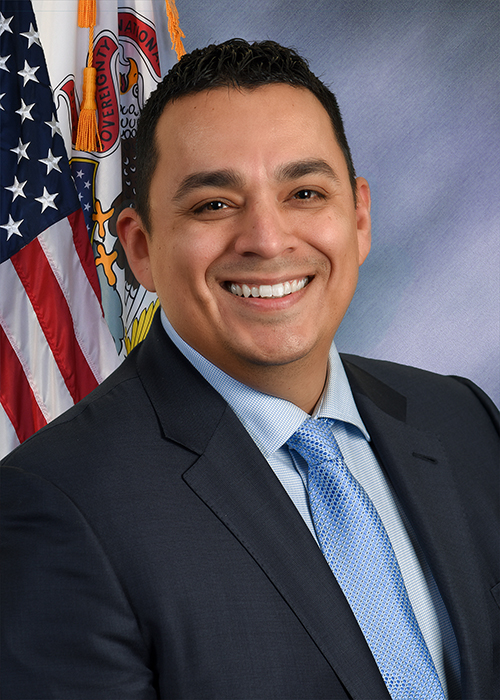
104th Regular Session Introduced by Li Arellano and 21 co-sponsors

Allows sexual assault vouchers to cover taxi, rideshare, and car‑sharing transportation to hospital, home, or shelters for initial and follow‑up care.

Public Act . . . . . . . . . 104-0371
0
WeVote Research Nonpartisan
Bill Summary · SB 1274

SB 1274 — Voucher, Taxi & Car‑Share (Public Act 104‑0371)

Status: Enacted as Public Act 104‑0371 (410 ILCS 70/5.2) — Governor approved Aug. 15, 2025. Effective date (transportation provision): January 1, 2026.

Purpose / Intent

Amend the Sexual Assault Survivors Emergency Treatment Act to expand uses of the state-issued sexual assault services voucher so survivors can get covered transportation (taxi, rideshare, car‑sharing) in connection with initial treatment and follow‑up care, improving access to services and safe relocation to shelters or home.

Key provisions

  • Voucher issuance and protocols

    • Requires a sexual assault services voucher to be issued by a treatment hospital, treatment hospital with approved pediatric transfer, or approved pediatric health care facility when a survivor receives medical forensic services.
    • Each such facility must include in its sexual assault treatment plan a protocol for issuing vouchers. Protocols must identify employee positions responsible for issuing vouchers and those with access to the Medical Electronic Data Interchange (MEDI) or its successor, and (for approved pediatric facilities) include a signed statement limiting MEDI access to voucher issuance.
  • Expanded covered services

    • Vouchers already cover ambulance services, medical forensic services, laboratory services, pharmacy services, and follow‑up healthcare.
    • Beginning January 1, 2026, vouchers may also be used to seek payment for transportation by taxi or rideshare to:
    • the hospital where the survivor initially presented,
    • the survivor’s residence, or
    • a survivor services shelter.
    • The statute permits hospitals to obtain written consent from survivors to use taxi or rideshare services arranged by the hospital.
    • Enrolled language also references coverage for “car‑sharing programs” (as defined in the Car‑Sharing Program Act) in some versions.
  • Billing and verification

    • Hospitals, providers, ambulance services, labs, and pharmacies may bill the Department of Healthcare and Family Services (HFS) Sexual Assault Emergency Treatment Program for covered services; bills must include survivor name/DOB, service, charge, date, and recipient ID (if known).
    • HFS will electronically verify via MEDI (or successor) that a voucher was issued before paying claims.
    • If no voucher was issued, providers may request HFS to issue one.

Who is affected

  • Sexual assault survivors (improved ability to reach care, return home, or safely reach shelters).
  • Hospitals and approved pediatric facilities (new protocol and MEDI access requirements; potential administrative changes).
  • Healthcare providers, ambulance services, labs, pharmacies (billing and verification processes).
  • Taxi, rideshare, car‑sharing operators (may receive reimbursement via the voucher program).
  • Department of Healthcare and Family Services (administration and payment verification responsibilities).

Potential impact and considerations

  • Access: Reduces transportation barriers to timely forensic and follow‑up care, and to safe sheltering.
  • Costs: May increase expenditures of the Sexual Assault Emergency Treatment Program to cover transportation reimbursements.
  • Administration: Facilities must adopt/implement voucher protocols and manage MEDI access; HFS must process/verify transportation claims.
  • Privacy/consent: Hospital-arranged rideshare requires written survivor consent, addressing safety and confidentiality concerns.

Statutory citation

Amends 410 ILCS 70/5.2 (Sexual Assault Survivors Emergency Treatment Act).

Compiled from official sources — confirm details with the bill’s official record.

Sign in to ask a question.