

WeVote

Bill

Bill

HB 562

Voting rights; restore to all felons after satisfying all of the sentencing requirements of the conviction.

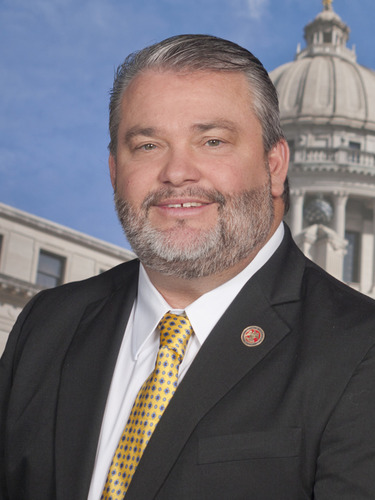
2025 Regular Session Introduced by Tracy Arnold

Restores voting rights to felons upon completing all sentencing requirements instead of permanent disenfranchisement in Mississippi.

Died In Committee
0
WeVote Research Nonpartisan
Bill Summary · HB 562

Legislative bill overview

HB 562 would automatically restore voting rights to individuals with felony convictions once they have completed all sentencing requirements, including incarceration, probation, fines, and restitution. Currently, Mississippi maintains felony disenfranchisement laws that permanently or indefinitely restrict voting rights for those convicted of certain crimes. This bill would remove those restrictions upon sentence completion rather than requiring separate restoration petitions or executive clemency.

Why is this important

Approximately 4.6 million Americans are disenfranchised due to felony convictions, with Mississippi having one of the highest rates of felony disenfranchisement in the nation. This policy directly affects civic participation, political representation, and community reintegration of formerly incarcerated individuals. The bill raises questions about rehabilitation philosophy, voting access equity, and the scope of punishment after sentence completion.

Potential points of contention

  • Rehabilitation vs. punishment philosophy: Opponents may argue that voting restrictions serve legitimate public safety interests or reflect community concerns about candidate selection, while supporters contend that completed sentences should fully restore rights.
  • Implementation and administration: Questions about tracking sentence completion across multiple jurisdictions and whether restoration should be automatic or require application/verification processes.
  • Political implications: Concerns about voting bloc composition and demographic impacts, since felony convictions are not evenly distributed across racial and socioeconomic groups.

Compiled from official sources — confirm details with the bill’s official record.

Sign in to ask a question.