

WeVote

Bill

Bill

HR 10106

VISITOR Act

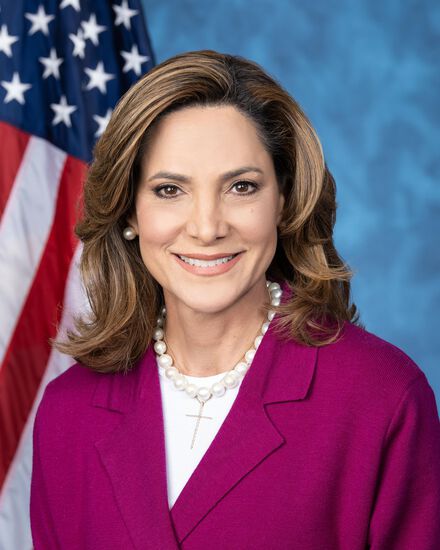
119th Congress Introduced by María Salazar and 1 co-sponsor

Authorizes using existing visa-related fees to fund consular services with the goal of reducing visa wait times, targeting 80% of nonimmigrant interviews within 3 weeks.

Introduced in House
0
WeVote Research Nonpartisan
Bill Summary · HR 10106

Overview

  • Bill: H.R. 10106, the VISITOR Act (Visa Improvement, Streamlined Investment, and Tourism Optimization Reform Act)
  • Session: 119th Congress
  • Introduced: August 13, 2026 by Rep. Dina Titus (also Rep. Salazar) and cosponsored by Rep. Salazar
  • House referrals: Judiciary; Foreign Affairs; Appropriations
  • Purpose: Authorize that certain visa-related fees collected in a fiscal year can be used to reduce visa wait times and support related consular services, while making related organizational and procedural adjustments.

What the bill would do (Key provisions)

  1. Amended framework for visa-related fee use

    • Alters the language of the Passport Act (22 U.S.C. 214(b)) to reference “costs of providing consular services” rather than just “such costs,” and restructures the subsections accordingly.
    • Explicitly authorizes certain passport and immigrant visa surcharges to be used for costs of providing general consular services, including consular protection of U.S. citizens and their interests overseas.
    • The eligible fee sources include:
      • Surcharges from the fourth paragraph under the heading “Diplomatic and Consular Programs” in the State Department Appropriations Act for 2005 (Public Law 108–447; 8 U.S.C. 1714).
      • Fees deposited into the Fraud Prevention and Detection Account (8 U.S.C. 1356(v)(2)(A)).
  2. Transfer and reallocation of unobligated fee balances

    • Allows unobligated balances from existing fee collections (as listed in section 7081(h) of the Department of State, Foreign Operations, and Related Programs Appropriations Act, 2017) to be transferred to the Consular and Border Security Programs account, and between Department of State accounts, for the purposes described above.
    • Permits unobligated balances from other appropriations under the heading “Administration of Foreign Affairs” to be transferred to the Consular and Border Security Programs Account if the Secretary of State determines it is necessary to sustain consular operations, with reporting to Appropriations Committees after consultation.
  3. Conforming and minor statutory edits

    • Adds a clarifying conforming amendment to the Department of State Authorities Act of 2006 to reflect provision of other general consular services alongside enhanced border security.
  4. Goal for visa wait times

    • Sets a concrete performance objective: aim to have 80 percent of nonimmigrant visa applicants interviewed within 3 weeks of receipt of their application.
    • Acknowledges potential exceptions due to resource, security, and the need to provide consular services to U.S. citizens.

Who would be affected

  • U.S. Department of State, including its Bureau of Consular Affairs and related programs
  • U.S. citizens and foreign nationals applying for visas (nonimmigrant and potentially immigrant visas)
  • Agencies managing passport and consular surcharge accounts and the Fraud Prevention and Detection Account
  • Congressional appropriations committees (House and Senate) due to reporting and transfer provisions

Procedural and timeline aspects

  • Status: Introduced and referred to Judiciary, Foreign Affairs, and Appropriations; timing and specific consideration determined by the Speaker.
  • Implementation: The bill authorizes reallocation of existing fee revenues and unobligated balances to fund consular services intended to reduce visa wait times, with steps to adjust transfers as necessary to sustain operations.
  • Reporting: Requires the Secretary of State to report to the House and Senate Appropriations Committees if transfers are necessary to sustain consular operations.

Potential impact

  • Operational: Potentially faster visa processing for nonimmigrant applicants (target: 80% interviewed within 3 weeks), subject to resource and security considerations.
  • Financial: Reallocation of existing fee revenues and unobligated balances to support consular services and reduce wait times, potentially affecting how funds are allocated within State Department accounts and related programs.
  • Administrative: Adds clarifications and conforming amendments to align fee-use authorities with broader consular service funding needs.

Note: The bill emphasizes utilizing existing fee streams to improve consular operations and visa processing timelines, while preserving necessary protections for security and citizen services.

Compiled from official sources — confirm details with the bill’s official record.

Sign in to ask a question.