

WeVote

Bill

Bill

S 787

VetPAC Act of 2025

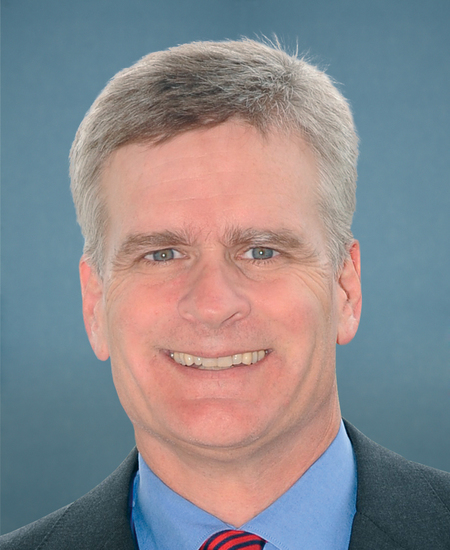
119th Congress Introduced by Bill Cassidy and 2 co-sponsors

Bill S 787 mandates new electric vehicle charging stations to include at least one wheelchair-accessible space, enhancing mobility for individuals with disabilities.

Held at the desk.
0
WeVote Research Nonpartisan
Bill Summary · S 787

Summary of Bill S 787

Overview

Bill S 787, titled "Requires electric vehicle charging stations to include at least one space to accommodate wheelchair accessible electric vehicles," aims to enhance accessibility for individuals with disabilities by mandating that all new electric vehicle (EV) charging stations include at least one designated space for wheelchair-accessible electric vehicles.

Purpose and Intent

The primary intent of Bill S 787 is to ensure that the growing infrastructure for electric vehicles is inclusive and accessible to all users, particularly those with mobility impairments. As the adoption of electric vehicles increases, it is crucial to provide equitable access to charging facilities, thereby promoting the use of EVs among individuals with disabilities.

Key Provisions

  • Accessibility Requirement: The bill mandates that all newly installed electric vehicle charging stations must include at least one designated space that is accessible for wheelchair users.
  • Compliance Standards: The accessible charging space must meet specific design standards to ensure it is usable by individuals with disabilities, in accordance with existing accessibility guidelines.
  • Implementation Timeline: The bill does not specify a detailed timeline for implementation but requires compliance for all new installations following its enactment.

Affected Parties

  • Electric Vehicle Charging Station Operators: All operators of new EV charging stations will be required to comply with the accessibility provisions outlined in the bill.
  • Individuals with Disabilities: The bill directly benefits individuals with mobility impairments by ensuring they have access to charging facilities, thus promoting greater independence and mobility.
  • Electric Vehicle Owners: As the number of electric vehicle owners grows, this legislation supports a more inclusive environment for all EV users.

Legislative Process and Timeline

  • Introduced: January 08, 2025
  • Passed Senate: January 14, 2025
  • Passed Assembly: February 05, 2025
  • Delivered to Governor: February 12, 2025
  • Signed into Law: February 14, 2025 (Chapter 86)

The bill was introduced and passed through both legislative chambers relatively quickly, reflecting a strong bipartisan support for enhancing accessibility in electric vehicle infrastructure.

Related Legislation

  • A 1469: This bill serves as a companion to S 787, likely addressing similar issues or providing additional context to the accessibility of electric vehicle charging stations.

Conclusion

Bill S 787 represents a significant step towards making electric vehicle infrastructure more inclusive. By mandating accessible charging spaces, the legislation not only supports individuals with disabilities but also encourages broader adoption of electric vehicles, contributing to environmental sustainability and social equity.

Compiled from official sources — confirm details with the bill’s official record.

Sign in to ask a question.