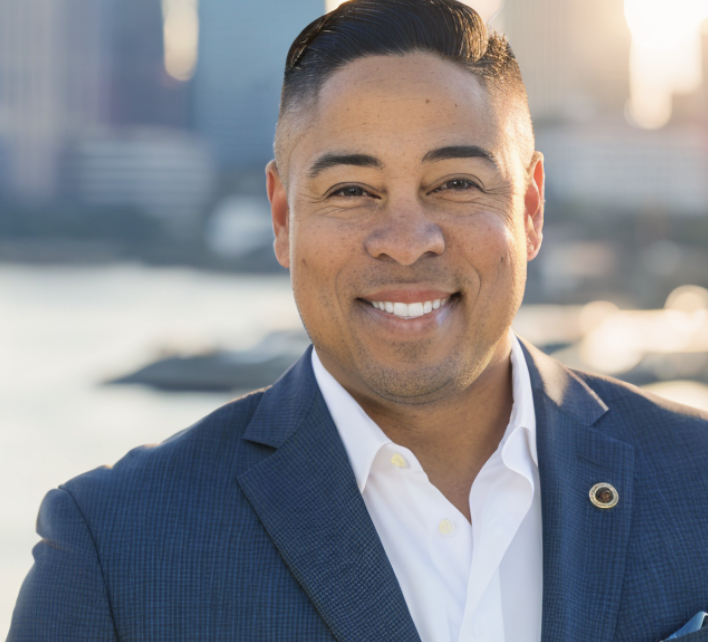
AB-2219 (Schiavo) Veterans — Summary
Overview
- Jurisdiction: California
- Session: 2025-2026
- Purpose: Amend the Military and Veterans Code to strengthen county veterans service offices (CVSOs) and create a statewide, centralized workflow and feedback system to improve access to benefits for veterans and their dependents.
Main purpose and intent
- Ensure timely filling and accreditation of county veterans service officers.
- standardize training and accreditation requirements.
- create a statewide electronic work queue to streamline appointments, claims assistance, and other veteran services across counties.
- develop a statewide framework for funding and assessing CVSOs to better reflect workload, access, and outcomes.
- establish a statewide digital survey platform to gather feedback from veterans after services.
Key provisions and changes
1) Vacancy fill and accreditation (Section 970)
- If a CVSO vacancy occurs, it must be filled within 12 months.
- The appointee must obtain and maintain accreditation from the U.S. Department of Veterans Affairs (VA) through the California Department of Veterans Affairs (CalVet) within 9 months of appointment.
- CalVet must establish minimum training requirements for accreditation, including:
- Addressing disparities in access to earned benefits (race, color, national origin, religion, sex, gender identity, sexual orientation).
- Increasing public awareness of free disability claim resources.
- Ensuring proper data collection to track system improvements.
2) statewide work queue (Section 971)
- By January 1, 2028/2029, the VA-CalVet partnership must develop and implement a statewide work queue for appointments, claims assistance, and other veteran services.
- The queue must be operational and accessible to all CVSOs.
- CalVet must coordinate with the California Association of County Veterans Service Officers (CACVSO) on design, data-sharing, and integration with existing systems.
- Participation in the statewide work queue must not negatively affect performance-based funding.
- A separate workload unit category shall be established for services provided through the queue.
- Definitions: “Statewide work queue” is an electronic system distributing disability claims and appeals among CVSOs statewide, regardless of veteran residence; “Qualified former member” means a veteran eligible for VA benefits.
3) funding framework and reporting (Section 972.1)
- CalVet, with CACVSO, shall develop a service capacity and performance framework to inform funding allocations for CVSOs.
- The department must report to the Legislature describing the proposed framework and anticipated fiscal/operational impact before substantial funding changes.
- Every three years, CalVet must report on the configuration, structure, and operations of each CVSOs (location, hours, staffing, funding sources, cross-program collaboration).
- Funds are disbursed pro rata to counties with CVSOs, based on staffing/workload and performance, with a floor not less than the 1988-89 level.
- CalVet must annually determine the amount of new or increased federal benefits obtained with CVSOs’ assistance and transmit the finding to the Department of Finance and Legislature by Oct. 1 each year.
- Legislature finds that about 50% of annual CVSOs funding (~$11 million) could be increased if justified by federal benefits obtained; potential increase not to exceed $5 million if justified by benefits.
4) statewide digital feedback platform (Section 972.15)
- CalVet, with CACVSO, must create a standardized statewide digital survey platform to collect feedback from veterans after appointments/services.
- Platform must measure access, trust, service effectiveness, and overall experience, while minimizing county administrative burden.
- Where feasible, CalVet should use existing reporting mechanisms to minimize burden.
5) Administrative procedure and mandates
- CalVet may review, adopt, amend, or repeal guidelines to implement these provisions, exempt from the Administrative Procedure Act.
- If state-mandated costs are determined, reimbursement to local agencies will follow existing mandate reimbursement statutes.
Timeline
- Accreditation training requirements and 12-month vacancy filling: immediate to within 9 months for new appointees.
- Statewide work queue development and implementation: targeted by January 1, 2028 (2029 in the amendments), with ongoing coordination and reporting.
- Biennial/triannual reporting on CVSOs: initial reporting by January 1, 2028/2029, then every three years.
- Digital survey platform: development concurrent with queue and funding framework, with implementation as feasible.
Who would be affected
- County veterans service officers (CVSOs) and county governments hosting CVSOs.
- CalVet and CACVSO (partnerships and oversight).
- Veterans and dependents receiving benefits, who would experience standardized processes, improved data collection, and a statewide queue.
- Departments of Finance and Health Care Services, and the California Veterans Board, which receive reports.
Bottom line
AB-2219 aims to modernize and standardize California’s veterans services at the county level by accelerating vacancies, requiring VA accreditation and training, launching a statewide electronic work queue, establishing funding and performance frameworks, and implementing a statewide veterans feedback platform. It emphasizes data-driven funding, consistency across counties, and improved access to benefits for veterans.