

WeVote

Bill

Bill

AB 2055

Vessels: operation: registration.

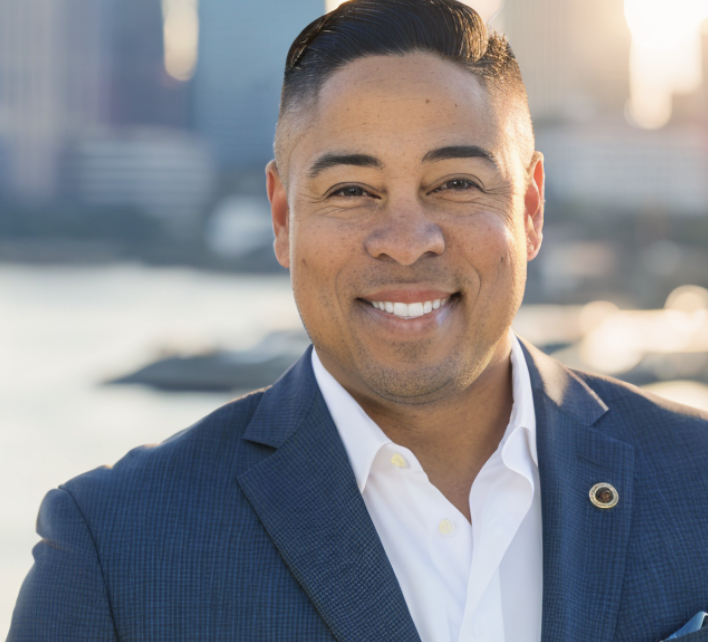
2025-2026 Regular Session Introduced by Jeff Gonzalez

AB 2055 broadens vessel registration to all state waters, requires numbering for undocumented vessels, expands for-hire Vessel definitions, and adds a notice-to-appear process for

Referred to Coms. on PUB. S. and TRANS.
0
WeVote Research Nonpartisan
Bill Summary · AB 2055

Summary of AB 2055 (2025-2026) — Vessels: operation: registration

AB 2055, introduced by Assembly Member Jeff Gonzalez and amended in March 2026, addresses vessel operation and registration in California. The bill touches several Harbors and Navigation Code provisions and related Vehicle Code sections, with a focus on expanding fleet registration, adjusting for-hire vessel definitions, and enhancing enforcement tools for boating infractions.

1) Purpose and intent

  • Expand the scope of safety and regulatory requirements for vessels operating on California waters.
  • Move toward broader registration of vessels (including those not previously required to be registered) to support enforcement, safety, and identification.
  • Create additional infractions and ensure consistency with other motor-vehicle-style regulatory frameworks for vessels.
  • Provide peace officers with tools to issue notices to appear related to vessel accidents, similar to notices used in motor vehicle contexts.

2) Key provisions and changes

  • For-hire vessel definition (Harbors and Navigation Code, Section 760)

    • Clarifies that a for-hire vessel includes any vessel propelled by machinery carrying one or more passengers for hire (instead of the prior standard of more than three passengers). This expands the class of vessels treated as for-hire under the statute, potentially increasing coverage of regulatory/criminal provisions.
  • Ski flag violations (Harbors and Navigation Code, Section 658.7)

    • Maintains existing ski-flag requirements for towing skiers but adds that failing to display a ski flag to indicate a swimmer in the vicinity is also an infraction, with a fine of up to $15.
    • Exceptions for professional exhibitions or certain events remain.
  • Vessel registration and numbering (Vehicle Code, Sections 9850, 9851)

    • Extends registration requirements to all vessels using the waters of the state, to the extent permissible under federal law. This broadens the universe of vessels that must be registered with the Department of Motor Vehicles (DMV).
    • Undocumented vessels must be numbered and display the identifying number on the bow. DMV numbering applies unless another compliant numbering system is acceptable under federal law.
    • DMV may adopt rules and regulations for undocumented vessels, with certain exemptions for state or federal vessels or agencies; vessels owned by the Dept. of Boating and Waterways are exempt from specified fees.
  • Court proceedings related to vessel violations (Vehicle Code, Section 23640)

    • In cases where a person is charged with violations that involve vessel infractions or related Harbors and Navigation Code provisions, the bill mirrors some DUI-like procedural protections: the court cannot stay, suspend, or entertain a dismissal to allow participation in education or treatment programs before conviction (subject to existing exceptions for such programs after conviction).
  • Notices to appear for vessel accidents (Harbors and Navigation Code, Section 267)

    • Establishes a process for peace officers who have completed POST training in vessel accident investigations to issue written notices to appear (instead of arrest) for non-felony vessel violations that contributed to an accident.
    • The notice-to-appear must include identifying information (accused, vessel, owner/lessee, offense, time/place to appear) and must be delivered with at least 10 days' notice. The form is approved by the Judicial Council and must be accepted by any court.
    • The officer's issuing authority and process are modeled on existing notice-to-appear mechanisms in other contexts; issuance is not an arrest.
  • Substantive changes to personal watercraft operation (Sections 655.7)

    • Reiterates and codifies existing requirements for personal watercraft operation: lanyard-type engine cut-off usage, prohibition on illicit modifications, prudent operation, and sunset-to-sunrise operating restrictions (with limited exceptions for patrol or emergency personnel). These are described as nonsubstantive changes, reinforcing current standards.

3) Who or what would be affected

  • Operators of for-hire vessels (expanded to include vessels carrying one or more passengers for hire).
  • Owners and operators of all vessels using California waters (subject to permissible federal law alignment) who must register with the DMV.
  • Undocumented vessels (subject to numbering and registration requirements).
  • Peace officers and local courts (new notice-to-appear process for vessel事故-related offenses).
  • Vessel owners, lessees, and registered owners may bear new or expanded compliance and administrative responsibilities (registration, numbering, display of identification on bow, enforcement penalties).

4) Procedural and timing aspects

  • Effective scope: The bill references various sections and adds a new Section 267 to the Harbors and Navigation Code, with concurrent amendments to the Vehicle Code.
  • Notice-to-appear timeline: 10 days after delivery for vessel accident-related notices.
  • Reimbursement: The bill states that no reimbursement is required for local agencies/school districts under Article XIII B of the California Constitution, as changes are within the scope of new or modified offenses or penalties.
  • Enforcement: Subjects to state-mandated local program implications due to expansion of criminal/infraction scope, particularly in for-hire vessel operations and undisclosed vessel registrations.

5) Overall impact

  • Regulatory: Broader registration and numbering regime for vessels, improving traceability and compliance.
  • Safety/compliance: Expanded infrared infractions (ski flags, for-hire vessel operations) and enhanced enforcement tools (notice to appear) intended to streamline vessel-related violations and accidents.
  • Administrative: Increased DMV regulatory responsibility for vessel registration; potential local fiscal impacts due to expanded crime/infraction scope (though stated as not requiring reimbursement).

Note: This summary focuses on the substantive provisions and their likely implications based on the bill text.

Compiled from official sources — confirm details with the bill’s official record.

Sign in to ask a question.