

WeVote

Bill

Bill

SB 3214

VEH-THC 2HR BLOOD TEST LIMIT

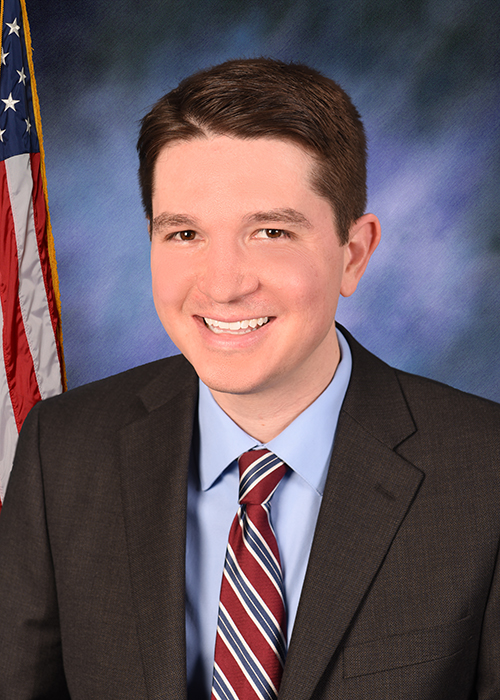
104th Regular Session Introduced by Steve McClure

SB 3214 creates a two-hour post-incident THC blood test framework with specific thresholds to define cannabis impairment for driving enforcement.

Referred to Assignments
0
WeVote Research Nonpartisan
Bill Summary · SB 3214

Summary of SB 3214 (104th Illinois General Assembly)

Purpose and intent

  • SB 3214 is a proposal within the Illinois Vehicle Code addressing blood test limits related to tetrahydrocannabinol (THC) in drivers. Its central aim appears to establish or modify a two-hour post-incident blood test framework for THC and set associated thresholds to aid enforcement and adjudication of driving under the influence of cannabis.

Key provisions and changes

  • Blood test timing: The bill references a “2HR” blood test limit, suggesting a rule that blood samples for THC must be collected within two hours of a traffic incident or stop, or it sets a standard related to a two-hour timeframe for test results or enforcement. The exact mechanics (whether a presumption, evidentiary standard, or procedural requirement) would be specified in the text.
  • THC concentration/thresholds: The bill likely defines or adjusts permissible THC concentration thresholds to establish impairment or per se limits for driving. It may specify nanograms per milliliter (ng/mL) or similar metrics used in Illinois law to determine impairment, or it may create a two-hour test window as a key enforcement tool.
  • Enforcement framework: Provisions may address officers’ authority to request blood testing, the chain-of-custody requirements, and the handling of test results. It could also outline penalties or penalties enhancements tied to THC-impaired driving based on test results or the two-hour standard.
  • Medical and legal considerations: The bill could include exemptions or considerations for medical cannabis users, as well as protections related to due process, testing consent, or medical necessity.
  • Administrative and procedural updates: Possible adjustments to reporting requirements, court admissibility standards, or rulemaking authorities granted to relevant agencies.

Who would be affected

  • Drivers: Individuals suspected of operating a motor vehicle under the influence of cannabis, or those subjected to blood testing pursuant to enforcement actions.
  • Law enforcement: Police and other officers responsible for administering testing, maintaining chain-of-custody, and presenting evidence in court.
  • Legal and health professionals: Prosecutors, defense attorneys, and medical professionals who interpret THC test results and related thresholds.
  • State agencies: Departments overseeing traffic safety, public safety, or health may be tasked with implementing, updating, and enforcing the new standard.

Procedural and timeline aspects

  • The bill would outline effective dates for the new standard (e.g., when the two-hour test window or THC thresholds take effect) and any transitional provisions for cases initiated before enactment.
  • It may specify rulemaking or guidance timelines for agencies to adopt new procedures, forms, or trainings for officers and prosecutors.
  • Potential for phased implementation depending on administrative readiness, funding, or backlog considerations.

Potential impacts and considerations

  • Road safety: A two-hour blood testing framework for THC could impact detection of impairment and potentially reduce cannabis-impaired driving incidents if paired with clear thresholds.
  • Legal certainty: Clear per se limits or timing rules can help prosecutors prove impairment, but thresholds for THC impairment are complex and controversial due to variability in metabolic processing.
  • Civil and medical considerations: The bill’s treatment of medical cannabis users and test accuracy, privacy, and civil liberties considerations may influence implementation and public reception.

Note: This summary is based on the bill’s title and general legislative practice for THC-related driving provisions. For precise language, exact thresholds, timelines, exemptions, and procedural details, please refer to the full text of SB 3214 as filed in the 104th Illinois General Assembly.

Compiled from official sources — confirm details with the bill’s official record.

Sign in to ask a question.