

WeVote

Bill

Bill

SB 3819

VEH CD-LIABILITY INSURANCE

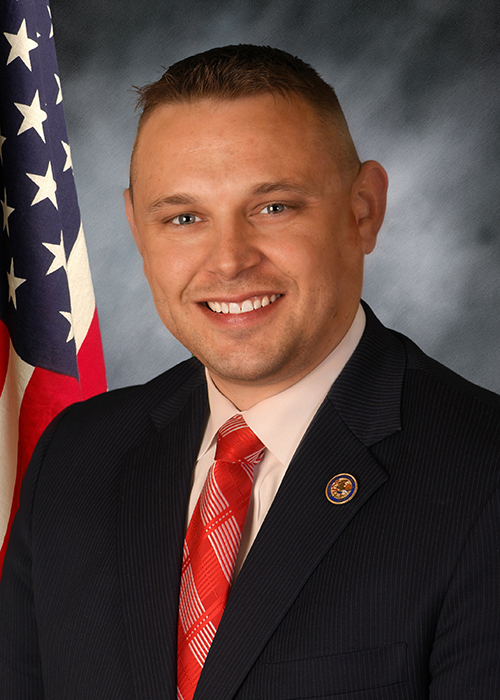
104th Regular Session Introduced by Neil Anderson

Requires motor vehicle liability insurance with specified minimums, proof of coverage, and enforcement to ensure drivers meet financial responsibility standards.

Referred to Assignments
0
WeVote Research Nonpartisan
Bill Summary · SB 3819

Overview

SB 3819 (Session: 104th) from Illinois, titled VEH CD-LIABILITY INSURANCE, with Neil Anderson listed as a co-sponsor, addresses liability insurance requirements related to motor vehicle coverage. The bill’s text is focused on clarifying, modifying, or expanding provisions surrounding vehicle liability insurance, including who must carry coverage, minimum coverage levels, and related regulatory or enforcement mechanisms. The summary below captures the core intent, provisions, and potential impact based on typical vehicle liability insurance legislation.

Purpose and intent

  • Establish or adjust requirements for motor vehicle liability insurance to ensure drivers have adequate coverage.
  • Clarify enforcement responsibilities and penalties for non-compliance.
  • Align Illinois’ liability insurance framework with public safety goals and protect insureds, injured parties, and the state’s regulatory objectives.

Key provisions and changes (typical features)

  • Minimum coverage standards: specifies required liability limits (e.g., per accident and aggregate limits) and/or references to bodily injury and property damage coverage.
  • Proof of insurance: details how drivers must carry proof (e.g., display provisions, electronic formats) and present it during traffic stops, registrations, or license plate renewals.
  • Financial responsibility requirements: defines when a vehicle owner must demonstrate financial responsibility and methods to satisfy it (e.g., liability policy, surety bond, or self-insurance for certain entities).
  • Enforcement and penalties: outlines penalties for driving without proof of insurance or without meeting minimum limits, including fines, license suspension, or registration denial.
  • Exemptions and special provisions: may include exemptions for certain vehicles (e.g., government vehicles, non-owners under specific circumstances) or temporary waivers under hardship situations.
  • Administrative processes: establishes agency responsibilities (likely Department of Insurance or Secretary of State role) for rulemaking, compliance audits, and processing of violations.
  • Effective date and transition: provides effective date for new requirements and any phasing period for compliance.

Who is affected

  • Vehicle owners and operators: individuals required to carry liability insurance and maintain proof of coverage.
  • Insurance companies: insurers issuing motor vehicle liability policies must comply with new or revised standards and reporting requirements.
  • DMV/Secretary of State or equivalent agency: responsible for enforcement, verification of coverage, and penalties enforcement.
  • Injured parties: enhanced protection through clearer minimum standards and enforcement.

Procedural and timeline aspects

  • Effective date: the bill will specify when the new rules take effect, including any transition period for existing policies.
  • Compliance timelines: deadlines for obtaining required coverage, updating proof of insurance, and responding to enforcement actions.
  • Rulemaking: potential authorizations for the relevant agency to issue implementing rules or adjust forms and reporting procedures.

Potential impact

  • Improved consistency of liability coverage across licensed drivers.
  • Potential reduction in uninsured or underinsured motorist incidents through stronger enforcement.
  • Administrative workload increase for insurers and state agencies to verify compliance and process penalties.
  • Possible short-term costs to drivers if minimum coverage levels are raised.

Note: This summary reflects typical elements found in vehicle liability insurance legislation. For precise provisions, amounts, and timelines, please consult the actual text of SB 3819 and any associated fiscal or legislative analyses.

Compiled from official sources — confirm details with the bill’s official record.

Sign in to ask a question.