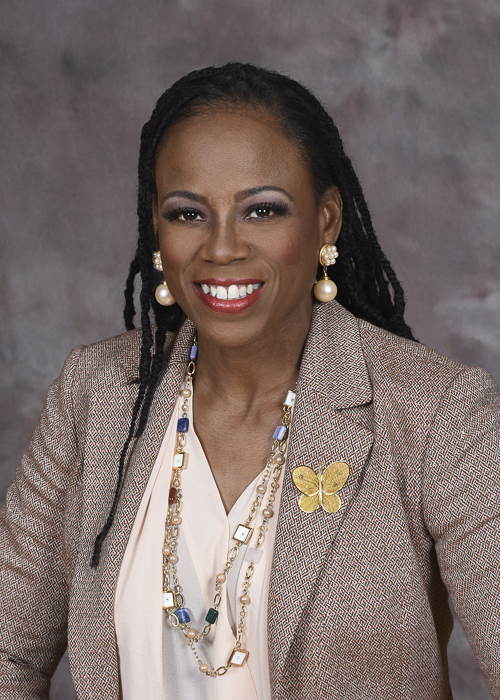
HB 3650 — “UTIL-2050 HEAT DECARBONIZATION” (Summary)
Status snapshot
- Introduced: March 3, 2025 (Rep. Camille Y. Lilly). Primary Senate sponsor: Sen. Robert Peters.
- Passed House (3/19–4/8 actions). Arrived in Senate April 2025; Senate Committee Amendment No. 1 filed May 6, 2025 and bill re‑referred to Assignments (Rule 3‑9(a)) on June 2, 2025.
- Current referral: Senate Energy & Public Utilities (with amendment); next procedural steps depend on committee action.
Overall purpose
- Advance residential building electrification and heat decarbonization statewide; align utility regulation and programs with Illinois’ climate goals (Public Act 102‑662).
- Create statewide “Navigator” supports to help residents access electrification, energy‑efficiency, weatherization, and related incentives and contractor resources.
- Establish regulatory frameworks and studies tied to decarbonizing building heat (including a 2050 standard, new heating laws, and reforms affecting gas utilities and energy‑efficiency programs).
Key provisions — State Navigator Program (major, detailed in amendments)
- Creates a State Navigator Program under the Department of Commerce & Economic Opportunity (DCEO) to help building owners and tenants access electrification services, energy audits, weatherization, on‑site renewables, heat pumps, wiring upgrades, appliance replacement, financing, and related programs.
- DCEO must coordinate with a Navigator Working Group (stakeholders including trades, community organizations, utilities, equity communities).
- Program design requirements:
- Outreach to owner‑occupied and rental units; single‑family and multifamily dwellings across all regions.
- Prioritize outreach to “equity investment eligible communities.”
- Strategies to help residents access federal Inflation Reduction Act rebates and stack federal, State, local, and utility incentives into a single interface where possible.
- Maintain a recommended contractor list and support integrated programs (e.g., LIHEAP, Illinois Home Weatherization Assistance Program).
- Create educational materials on funding, benefits, economic and health impacts of retrofits.
- Third‑party Administrator option:
- DCEO may competitively contract with a nonprofit/utility‑linked Administrator within 1 year of enactment.
- Administrator contract term: up to 4 years (renewable); must demonstrate experience with electrification/weatherization, multifamily and low‑income households, and urban/rural coverage.
- Definitions and eligibility:
- “Income‑qualified households” = households with annual income ≤ 80% of area median income.
- “Electrification services” explicitly enumerated (heat pumps, water heaters, electrified cooking/dryers, wiring, load upgrades, etc.).
Other substantive changes (from bill synopsis / engrossed text)
- Adds “electrification industries” to the State’s Clean Jobs Curriculum and updates the curriculum stakeholder process; curriculum to be updated every 3 years.
- Natural gas utility provisions:
- Allows a gas utility to cease providing service if the Illinois Commerce Commission (ICC) finds adequate substitute service is available at reasonable cost to support existing end uses.
- Establishes cost‑allocation principle for gas main and service extensions: full incremental cost of new development/growth to be borne by customers that cause those costs.
- ICC must initiate a docketed rulemaking within 60 days of enactment to review tariffs that provide main/service extensions without additional charge beyond default administrative rules.
- New cost‑effective gas energy‑efficiency measures to supersede prior provisions effective beginning January 1, 2025 (per synopsis).
- Adds new Articles to the Public Utilities Act:
- Clean Building Heating Law and a “2050 Heat Decarbonization Standard” article — establish emissions standards/options for compliance, customer emission reduction measures, tradable clean heat credits, banking, equity provisions, enforcement, mandated studies (2050 pathways and gas utility financial incentive reform), and reporting requirements.
Who is affected
- Residential building owners and renters (single‑family and multifamily), including income‑qualified and equity‑eligible communities.
- Contractors, trades, and workforce training programs (expanded Clean Jobs curriculum).
- Gas utilities and the electric sector (rules on service cessation, extensions, efficiency programs).
- DCEO (program administration) and the Illinois Commerce Commission (rulemakings, oversight, enforcement, and studies).
Timeline / procedural and implementation notes
- DCEO may contract an Administrator within 1 year of the Act’s effective date; Administrator contracts last 4 years (renewable).
- ICC rulemaking on gas main/service extension tariffs required no later than 60 days after enactment.
- Some provisions (per synopsis) take effect immediately; certain gas efficiency measures are noted to take effect on or beginning January 1, 2025.
- The bill includes multiple new programmatic and study requirements that will require implementing rulemaking and interagency coordination if enacted.
Potential impacts (high level)
- Centralizes consumer navigation and equity‑focused outreach to accelerate residential electrification uptake and access to federal/state incentives.
- Shifts some costs and regulatory expectations for gas infrastructure and new development; could accelerate electrification by altering extension economics and by enabling ICC‑approved service transitions.
- Expands workforce and training focus toward electrification and related clean‑energy jobs.
For further tracking
- Monitor Senate Energy & Public Utilities committee actions, any floor votes, and text differences between the House engrossed version and the Senate Amendment No. 1 filed May 6, 2025.