Summary of SB 3560 (104th Illinois General Assembly)
Date introduced: February 5, 2026
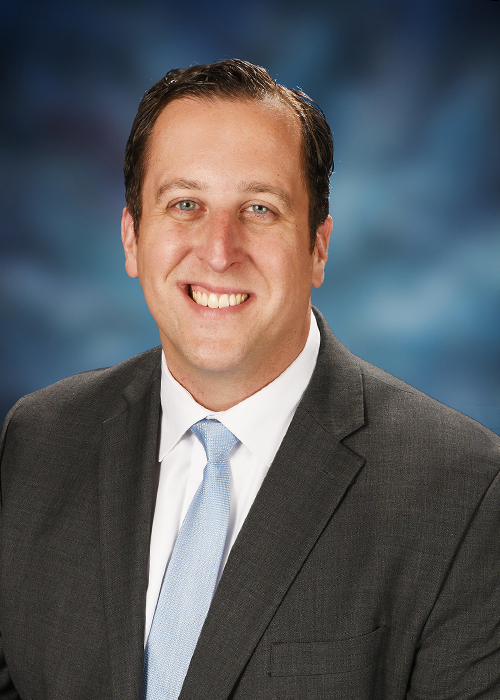
Prime sponsor: Sen. Michael E. Hastings (co-sponsor: Mike Hastings)
Purpose of the bill
- To update and standardize the use of dry needling (intramuscular therapy) across three licensed professions in Illinois: athletic trainers, occupational therapists, and physical therapists.
- Specifically, it defines dry needling for these professions, clarifies what is excluded (notably acupuncture practices per East Asian traditional theory), and sets credentialing and training prerequisites required to perform dry needling.
- The bill revises the practice acts for the Illinois Athletic Trainers Practice Act, the Illinois Occupational Therapy Practice Act, and the Illinois Physical Therapy Act to include these definitions and requirements.
What dry needling is defined to be (across all three Acts)
- An advanced needling skill or technique limited to treatment of myofascial pain.
- Uses a single-use, single-insertion, sterile filiform needle.
- Without the use of heat, cold, or any other added modality or medication.
- Inserted into the skin or underlying tissues to stimulate trigger points.
- May apply theory based only on Western medical concepts.
- Requires examination and diagnosis and targets specific anatomic entities based on physical signs.
- Not considered acupuncture (explicitly excluding stimulation of auricular points, distal or non-local points, needle retention, retained electric stimulation leads, or other acupuncture theory).
Who would be affected
- Licensed athletic trainers (Illinois Athletic Trainers Practice Act).
- Licensed occupational therapists and occupational therapy assistants (Illinois Occupational Therapy Practice Act).
- Licensed physical therapists and physical therapy assistants (Illinois Physical Therapy Act).
- In each profession, only licensed practitioners meeting the new training and competency requirements could perform dry needling, and it would be performed only upon referral (consistent with the other acts’ language).
Key provisions and requirements by profession
1) Athletic Trainers (225 ILCS 5/4.5)
- Definition of dry needling (as above).
- Training and competency requirements to perform dry needling:
- 50 hours of instructional courses in related topics (musculoskeletal/neuromuscular system, pain mechanisms, chronic pain, referred pain, myofascial trigger points, universal precautions, etc.).
- At least 30 hours of didactic coursework specific to dry needling.
- At least 4 practicum hours in dry needling.
- At least 200 supervised patient treatment sessions.
- Successful completion of a competency examination.
- Dry needling may only be performed by a licensed athletic trainer and only upon referral.
- Effective date: as part of the Act text, with sections originally scheduled for repeal in 2031 (consistent with the Act provisions in the amendment).
2) Occupational Therapists and Occupational Therapy Assistants (225 ILCS 75/3.7)
- Definition of dry needling (as above).
- Training and competency requirements to perform dry needling:
- 1950 hours of instructional courses (note: this line mirrors the Act’s standard for related topics; it may reflect combined program requirements; the bill enacts specific numbers in the rulemaking framework).
- At least 30 hours of didactic coursework specific to dry needling.
- At least 54 practicum hours in dry needling coursework.
- At least 200 supervised patient treatment sessions.
- Successful completion of a competency examination.
- Dry needling may only be performed by a licensed occupational therapist or occupational therapy assistant and only upon referral.
- Effective date: same as above, tied to the Act's amendments (repeal dates reflect 2029 for OT Act section).
3) Physical Therapists and Physical Therapy Assistants (225 ILCS 90/1.5)
- Definition of dry needling (as above).
- Training and competency requirements to perform dry needling:
- 50 hours of instructional courses in related topics (musculoskeletal/neuromuscular, pain mechanisms, chronic pain, referred pain, myofascial trigger points, universal precautions, etc.).
- At least 30 hours of didactic coursework specific to dry needling.
- At least 54 practicum hours in dry needling coursework.
- At least 200 supervised patient treatment sessions.
- Successful completion of a competency examination.
- Dry needling may be performed by licensed physical therapists or physical therapy assistants and only upon referral.
- The Act notes that the Dry Needling section is scheduled to align with the Act’s repeal timeline (2031 for PT Act), with continued provisions to ensure regulation.
Procedural and timeline aspects
- The bill amends three separate Acts and integrates uniform dry needling standards across athletic training, occupational therapy, and physical therapy.
- Each profession’s section specifies training hours, practicum, supervised patient treatments, and competency examinations.
- All dry needling would require a referral, meaning patients typically must be referred by a physician or other licensed clinician (consistent with current practice patterns).
- Repeal dates are indicated for the related sections (2031 for Athletic Trainers and Physical Therapy; 2029 for Occupational Therapy), reflecting civil sunset provisions tied to those Acts.
- The bill has moved through committee processes (referred to Assignments, Rule deadlines; current action as of 2026-04-24 shows re-referred to Assignments).
Impact considerations
- Standards would standardize who can perform dry needling and what training they must complete, potentially affecting licensees who currently practice dry needling without meeting these specific requirements.
- By clarifying that dry needling is distinct from acupuncture, the bill seeks to resolve scope-of-practice disputes and ensure practice aligns with Western medical concepts.
- The requirement for referrals may influence patient access and clinician collaboration.
- The comprehensive training and competency benchmarks (hours, practica, and exams) aim to improve patient safety and treatment consistency across professions.