

WeVote

Bill

Bill

SB 4205

USE/OCC TX-MOTOR FUEL

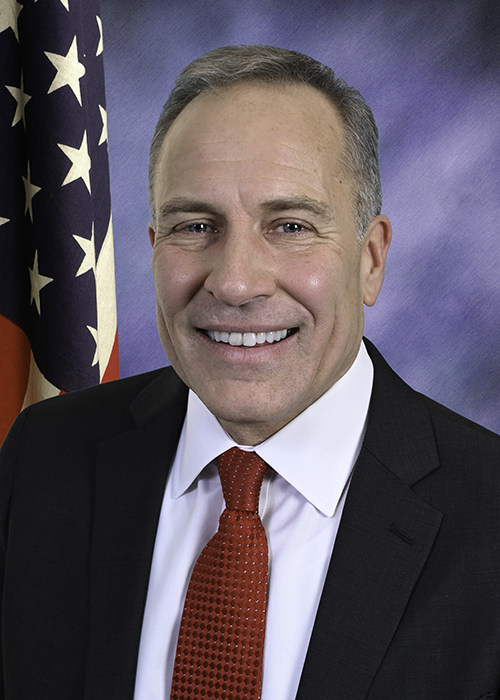
104th Regular Session Introduced by Chris Balkema and 10 co-sponsors

Temporarily sets motor fuel/gasohol use/occupation tax at 1.25% from July 1 to December 31, 2026, with specified revenue allocations and administration changes.

Added as Co-Sponsor Sen. Sue Rezin
0
WeVote Research Nonpartisan
Bill Summary · SB 4205

Overview

SB 4205, introduced in the 104th Illinois General Assembly, would temporarily reduce certain use and excise taxes on motor fuel and related fuels, and make related tax distribution and administration adjustments. Specifically, it imposes a 1.25% rate on use and occupation taxes for motor fuel and gasohol from July 1, 2026 through December 31, 2026, and adjusts how proceeds are distributed and how taxes are administered during that period. The measure is effective immediately upon passage.

Primary purpose and intent

  • Provide a temporary, targeted reduction in use/occupation tax rates on motor fuel and gasohol for a defined six-month window in 2026.
  • Redirect or repurpose revenue through specified funds and programs to support transportation, infrastructure, and related state programs, while maintaining overall tax collection mechanics.

Key provisions and changes

  • Tax rate change (temporary): Beginning July 1, 2026, through December 31, 2026, the use and occupation taxes on motor fuel and gasohol are set at 1.25%.
  • Affects multiple Acts: The change applies to the Use Tax Act, the Service Use Tax Act, the Service Occupation Tax Act, and the Retailers' Occupation Tax Act.
  • Revenue distribution adjustments: The bill includes comprehensive provisions detailing how proceeds from taxes (including the 1.25% temporary rate) would be allocated to various funds and programs (e.g., State and Local Sales Tax Reform Fund, Road Fund, Capital Projects Fund, Clean Air Act Permit Fund, Build Illinois Fund, McCormick Place Expansion Fund, State Crime Laboratory Fund, Downstate Public Transportation Fund, and others). The allocation scheme is extensive and spans multiple fiscal years, with specified annual deposit amounts through 2040s and beyond.
  • Motor fuel and gasohol definitions: The bill references motor fuel as defined in the Motor Fuel Tax Law and gasohol as defined in the Use Tax Act, ensuring the temporary rate applies to those products.
  • Other specified tax provisions carried over: The bill restates numerous existing rate rules, exemptions, and administration requirements (e.g., treatment of food, medicines, cannabis-related taxes, aviation fuel, credit provisions, electronic filing requirements, quarterly filing options, and discounts for retailers) as part of amending sections of the Use Tax Act and related acts.
  • Compliance and administrative changes: The measure includes adjustments to retailer discounts, electronic filing requirements, quarterly/annual filing options, and special Return/reporting requirements for certain property (e.g., aviation fuel, motor vehicles, watercraft, aircraft, trailers) to align with the temporary rate and broader fund allocations.
  • Sunset and transitional rules: The 1.25% rate and many associated allocations are tied specifically to the July–December 2026 window; the bill does not specify permanent rate changes beyond that period.

Who and what is affected

  • Retailers and businesses: Retailers subject to Use Tax, Service Use Tax, Service Occupation Tax, and Retailers’ Occupation Tax would implement the temporary 1.25% rate for motor fuel and gasohol and navigate revised proceeds distributions.
  • Taxpayers purchasing motor fuel and gasohol: Those purchasing fuel in Illinois during the July–December 2026 window would be subject to the 1.25% rate under the affected taxes.
  • State funds and programs: A broad set of state funds and programs would receive specified deposits from the taxes during the covered period, with long-term sequencing of funding levels (e.g., Road Fund, Build Illinois Fund, State Tech/Increment funds, aviation-related funds, etc.).
  • Agencies and departments: The Illinois Department of Revenue would administer changes, including reporting, filing, and distribution rules; dealers and distributors of motor fuel would follow the revised allocation and remittance requirements.
  • Special tax elements: Provisions touching food, medicines, cannabis taxation, aviation fuel, and related exemptions would remain governed by existing law but are embedded in the broader amended sections.

Procedural and timeline aspects

  • Effective period: 1 July 2026 through 31 December 2026 (temporary rate of 1.25% for motor fuel and gasohol).
  • Effective date of other amendments: As indicated, many changes are tied to the 2026 window; the bill also contains long-standing provisions about filing deadlines, electronic filing, quarterly/annual reporting options, and various fund deposit schedules that extend over multiple years (some deposits shown through 2040s).
  • Administrative details: The bill revisits discount provisions for retailers, quarterly payment thresholds, and reporting requirements, with many sections specifying how the Department of Revenue must implement the changes.

If you’d like, I can extract a concise bullet-point summary of the exact fund-by-fund deposit amounts for a given year or provide a plain-language FAQ for retailers and consumers.

Compiled from official sources — confirm details with the bill’s official record.

Sign in to ask a question.