

WeVote

Bill

Bill

HB 1086

University of Mississippi; authorize to enter into long-term lease for public-private partnership for development of university property.

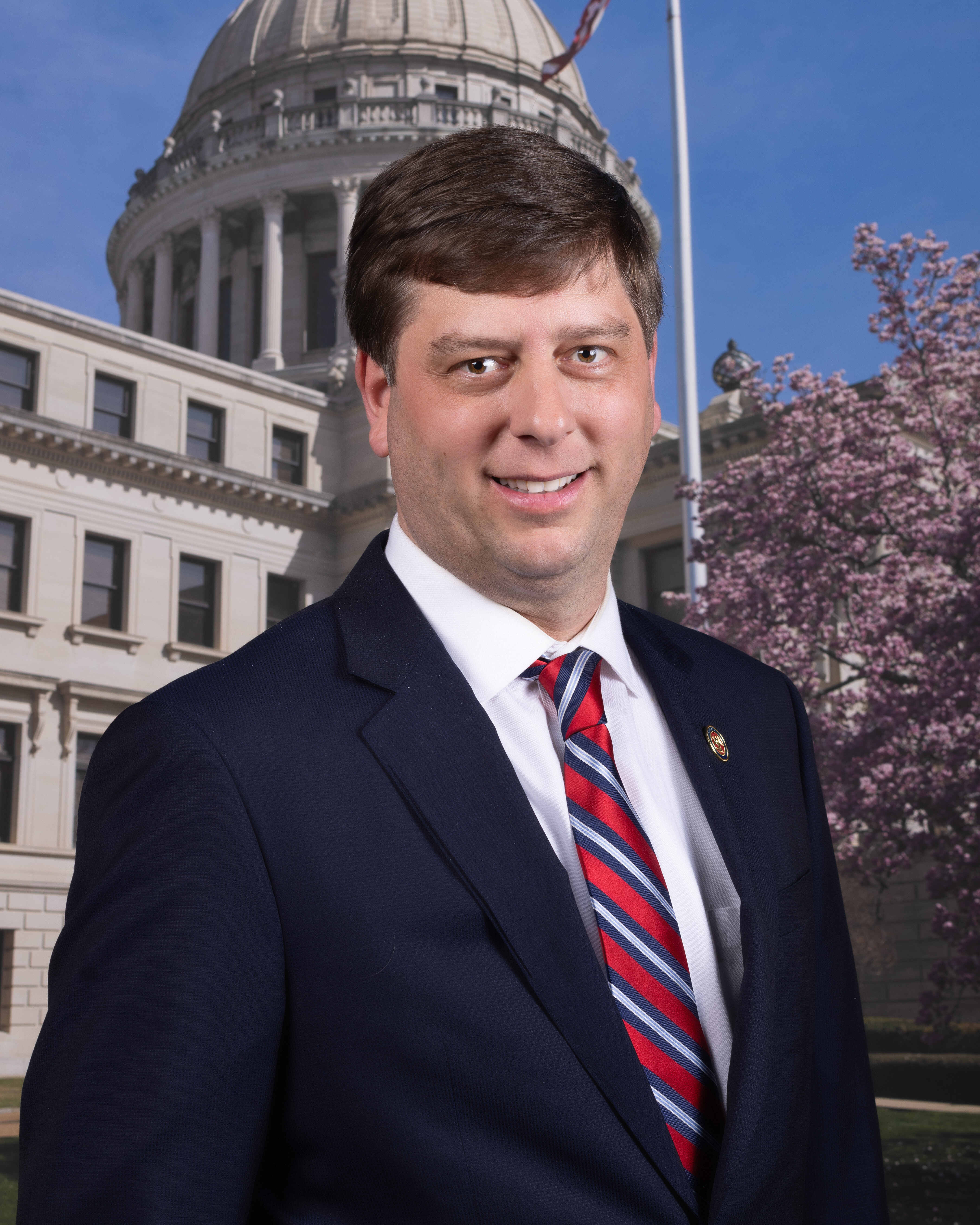
2025 Regular Session Introduced by Clay Deweese

HB 1086 authorizes University of Mississippi to lease property to private partners for long-term development projects, enabling infrastructure growth but transferring control and revenue for decades.

Died On Calendar
0
WeVote Research Nonpartisan
Bill Summary · HB 1086

Legislative bill overview

HB 1086 authorizes the University of Mississippi to enter into long-term lease agreements with private partners for development of university property. The bill enables public-private partnerships (PPPs) that allow private entities to develop, build, and potentially operate facilities on university land while generating revenue for the institution.

Why is this important

Universities face significant capital constraints for infrastructure projects, and PPPs can accelerate facility development without immediate public funding. However, such arrangements commit institutional property and revenue streams for decades, affecting the university's long-term financial flexibility and control over its assets and operations.

Potential points of contention

  • Loss of institutional control: Long-term leases transfer significant operational and financial authority to private partners, potentially limiting the university's ability to modify or repurpose property during the lease term
  • Revenue sharing structure: The bill's language doesn't specify profit-sharing terms, debt responsibility, or how risks are allocated between the university and private partners, raising concerns about whether the university receives fair value
  • Transparency and accountability: Private partnerships may operate with less public oversight than traditional university operations, potentially limiting access to financial records and decision-making processes for taxpayers and students

Compiled from official sources — confirm details with the bill’s official record.

Sign in to ask a question.