

WeVote

Bill

Bill

HR 7521

United States-Cuba Trade Act of 2026

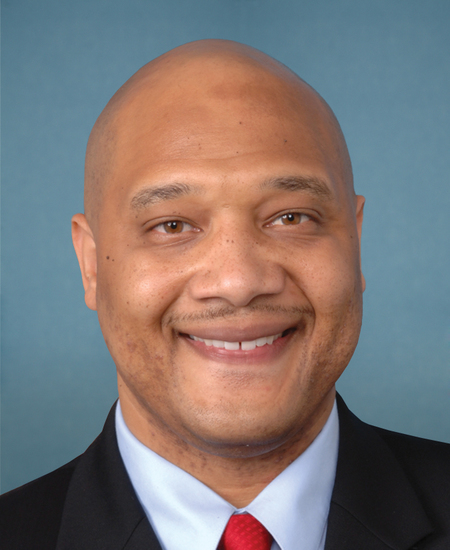
119th Congress Introduced by André Carson and 27 co-sponsors

Bill eliminates the U.S.-Cuba trade embargo and establishes normalized commercial relations between the two countries, affecting agriculture, investment, and foreign policy.

Introduced in House
0
WeVote Research Nonpartisan
Bill Summary · HR 7521

Legislative bill overview

HR 7521 proposes to establish normalized trade relations between the United States and Cuba by lifting the long-standing trade embargo and creating a framework for commercial exchange. The bill would authorize the removal of Cuba from the state sponsor of terrorism list (contingent on conditions) and establish reciprocal trade agreements, agricultural exports, and investment protections between the two nations.

Why is this important

The U.S.-Cuba embargo, in effect since 1962, represents one of the longest-standing trade restrictions in American history. Normalizing trade could create economic opportunities for American businesses (particularly agriculture and pharmaceutical sectors), potentially reduce consumer costs on certain goods, and reshape U.S. foreign policy in the Western Hemisphere. Conversely, it represents a fundamental shift in Cold War-era policy that has been politically contentious for decades.

Potential points of contention

  • Human rights and political freedoms: Critics may argue the bill doesn't adequately condition trade on Cuban governmental reforms regarding political prisoners, freedom of speech, or democratic processes
  • Agricultural and labor concerns: Domestic farmers and labor unions may fear increased competition from Cuban sugar, tobacco, and other agricultural products
  • Geopolitical implications: The measure could affect U.S. relations with other Latin American allies and China's growing influence in the region, and raises questions about consistency with sanctions on other authoritarian regimes

Compiled from official sources — confirm details with the bill’s official record.

Sign in to ask a question.