

WeVote

Bill

Bill

HR 9674

United States Coast Guard Corrosion Control Assistance Team Pilot Program Act

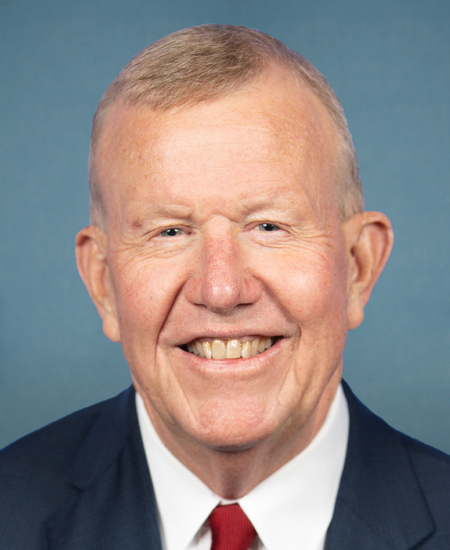
119th Congress Introduced by Mike Ezell

Establishes a Coast Guard Corrosion Control Assistance Team pilot to assess, advise on coatings and maintenance, and improve corrosion prevention to extend asset life.

Introduced in House
0
WeVote Research Nonpartisan
Bill Summary · HR 9674

Summary of HR 9674 (119th Congress) – United States Coast Guard Corrosion Control Assistance Team Pilot Program Act

Purpose and intent

  • Establish a pilot program within the United States Coast Guard (USCG) to develop and test a Corrosion Control Assistance Team (CCAT) that provides technical support to Coast Guard units and facilities.
  • The overarching goal is to improve corrosion prevention, inspection, maintenance, and repair practices to extend the service life of Coast Guard assets and reduce long-term lifecycle costs.

Key provisions and changes

  • Pilot Program Creation

    • Establishes a Corrosion Control Assistance Team as a temporary, pilot initiative within the USCG.
    • The team is intended to assist with corrosion control planning, assessments, and best practices across Coast Guard ships, facilities, and infrastructure.
  • Scope of Assistance

    • CCAT would conduct corrosion risk assessments, recommend coatings and treatment options, and advise on preventive maintenance schedules.
    • Support may include training Coast Guard personnel in corrosion prevention techniques and recognizing deterioration trends.
  • Implementation Details

    • Specifies objectives, duration, and measurable outcomes for the pilot (e.g., improvements in corrosion-related readiness, maintenance cost savings, or asset lifespan extension).
    • May outline reporting requirements to Congress or relevant oversight committees on progress, findings, and recommendations.
  • Coordination and Authority

    • The CCAT would operate under the authority of the USCG and coordinate with existing programs, maintenance depots, and vessel/facility command structures.
    • Potential collaboration with other federal agencies or public-private partners for technical expertise or best practices in corrosion management.
  • Funding and Resources

    • The bill would authorize or appropriate funds necessary to establish and operate the pilot, including personnel, equipment, training, and data collection activities.
    • May include reporting on cost implications and potential long-term savings from improved corrosion control.

Who would be affected

  • United States Coast Guard assets

    • Ships, boats, aircraft maintenance facilities, and shore infrastructure that are subject to corrosion and require preventive maintenance and coatings programs.
  • USCG personnel

    • Maintenance, engineering, and logistics staff who would receive corrosion-related training and participate in CCAT activities.
  • Oversight and Policymaking Bodies

    • House committees with jurisdiction over transportation and infrastructure, budget appropriations, and related oversight would receive periodic updates and final findings after the pilot.

Procedural and timeline aspects

  • Legislative Path

    • Introduced in the House and referred to the Committee on Transportation and Infrastructure for consideration.
    • As a pilot program, it would likely include a defined duration (e.g., a few years) and clear milestones to assess effectiveness.
  • Reporting and Evaluation

    • Expectation of performance metrics, progress reports, and a final evaluation detailing lessons learned, feasibility, and recommendations for potential program expansion or permanent authorization.

Potential impact

  • By enhancing corrosion prevention and maintenance practices, the CCAT pilot could:
    • Increase the reliability and readiness of Coast Guard assets.
    • Potentially reduce maintenance costs and extend asset lifespans.
    • Build institutional knowledge and standardized corrosion control practices across the service.

Note: This summary is based on the bill's title, sponsor information, and typical elements of such programs. For precise text, definitions, funding amounts, reporting timelines, and any amendments, the full bill language and related committee reports should be consulted once available.

Compiled from official sources — confirm details with the bill’s official record.

Sign in to ask a question.