

WeVote

Bill

Bill

HR 5486

Tyler Clementi Higher Education Anti-Harassment Act of 2025

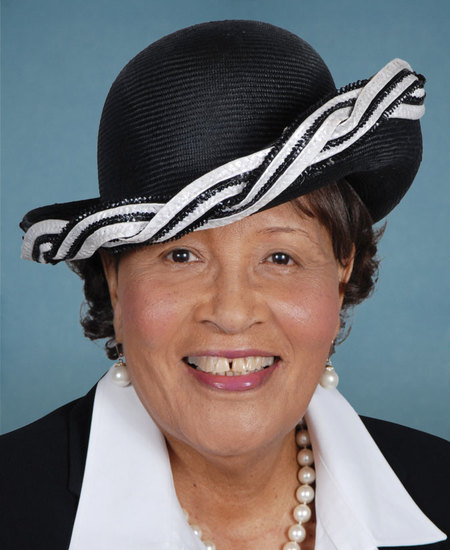
119th Congress Introduced by Alma Adams and 149 co-sponsors

The Tyler Clementi Act mandates colleges to implement anti-harassment policies, support services, and training, ensuring safer environments for all students, especially marginalized ones.

Introduced in House
0
WeVote Research Nonpartisan
Bill Summary · HR 5486

Summary of HR 5486: Tyler Clementi Higher Education Anti-Harassment Act of 2025

Purpose and Intent

The Tyler Clementi Higher Education Anti-Harassment Act of 2025 aims to enhance protections against harassment in higher education institutions. Named in memory of Tyler Clementi, a college student who tragically took his own life following incidents of cyberbullying and harassment, this bill seeks to create a safer educational environment for all students, particularly those from marginalized communities.

Key Provisions

The bill proposes several significant changes and requirements for higher education institutions:

  1. Anti-Harassment Policies:

    • Institutions will be required to develop and implement comprehensive anti-harassment policies that specifically address harassment based on sexual orientation, gender identity, and other protected characteristics.
  2. Reporting Mechanisms:

    • Schools must establish clear and accessible reporting mechanisms for students to report incidents of harassment. This includes ensuring confidentiality and protection against retaliation for those who report.
  3. Training and Education:

    • The bill mandates training programs for faculty, staff, and students on recognizing, preventing, and responding to harassment. This training will focus on creating an inclusive campus culture.
  4. Support Services:

    • Institutions will be required to provide support services for victims of harassment, including counseling and legal assistance.
  5. Data Collection and Reporting:

    • Colleges and universities will need to collect data on incidents of harassment and report this information to the Department of Education annually. This data will be used to assess the effectiveness of anti-harassment policies.
  6. Funding:

    • The bill proposes federal funding to assist institutions in implementing these requirements, ensuring that schools have the necessary resources to create safer environments.

Who Would Be Affected

  • Students: The primary beneficiaries of this legislation will be students attending higher education institutions, particularly those who are vulnerable to harassment.
  • Higher Education Institutions: Colleges and universities will need to adapt their policies and practices to comply with the new requirements.
  • Faculty and Staff: Training and education initiatives will impact faculty and staff, equipping them to better support students and address harassment.

Procedural Aspects

  • Introduced: The bill was introduced in the House on September 18, 2025.
  • Committee Referral: It has been referred to the House Committee on Education and Workforce for further consideration.

Conclusion

The Tyler Clementi Higher Education Anti-Harassment Act of 2025 represents a proactive step towards combating harassment in educational settings. By establishing clear policies, support systems, and training programs, the bill aims to foster a safer and more inclusive environment for all students in higher education.

Compiled from official sources — confirm details with the bill’s official record.

Sign in to ask a question.