

WeVote

Bill

Bill

HB 1136

Tuition caps.

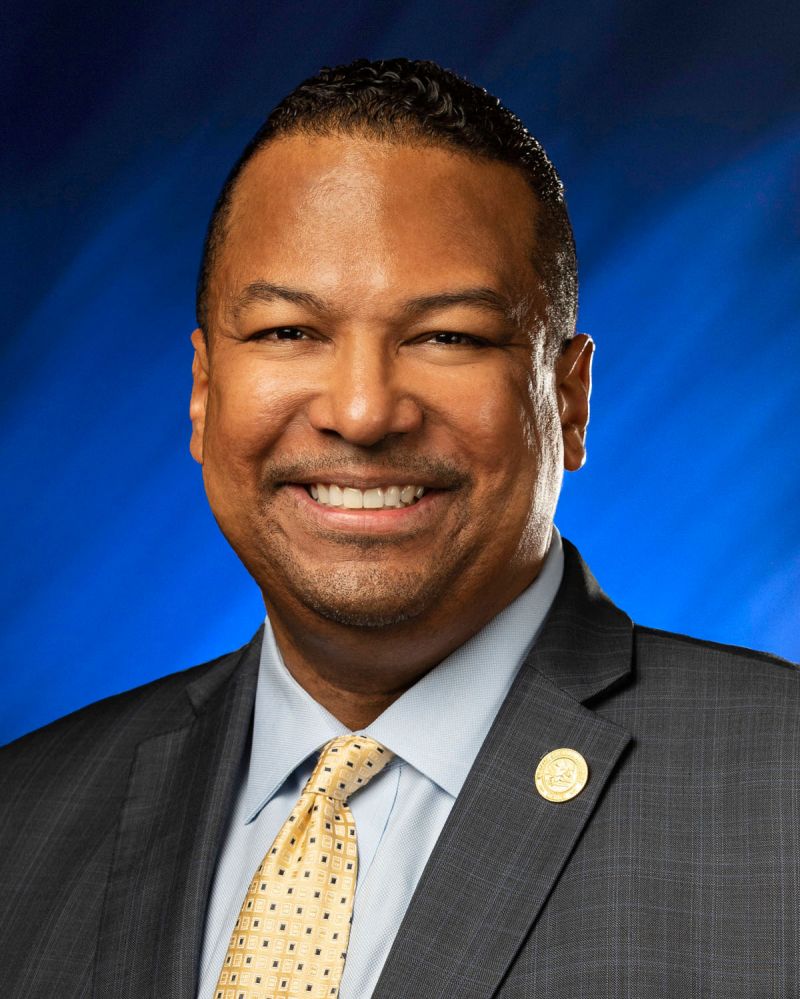
2026 Regular Session Introduced by Earl Harris

Requires licensing authorities to share licensing criteria on request and designate a single contact for community facility complaints.

First reading: referred to Committee on Education
0
WeVote Research Nonpartisan
Bill Summary · HB 1136

Summary — HB 1136

Community-Based Residential Facilities — Licensing Entities — Provision of Licensing Criteria and Single Point of Contact

Status: Hearing scheduled 3/05 at 2:40 p.m. (Introduced Nov. 12, 2024). If enacted, effective date: October 1, 2025. Sponsors: Delegates Rosenberg and Ruff.

Purpose / Intent

The bill aims to increase transparency and improve complaint response for Maryland community‑based residential facilities by (1) requiring licensing agencies to provide, on request, the criteria they use to decide whether to issue or renew facility licenses; and (2) requiring each licensing authority to designate a single point of contact to handle complaints, concerns, or issues about such facilities.

Key provisions

  • Adds a new Subtitle 25 to Article — Health — General (Sections 24‑2501 and 24‑2502).
  • Definitions:
    • “Community facility” — community‑based residential facilities licensed under specified provisions (including Behavioral Health Administration and Developmental Disabilities Administration authorities and facilities subject to Governor’s Office for Children regulations).
    • “Interested party” — an individual with a legitimate interest in licensure (e.g., family member of a resident or a nearby resident).
    • “Licensing authority” — a State agency that issues licenses for community facilities (includes MDH, DHS, and DJS).
  • On request, a licensing authority must provide an interested party with the criteria it uses to determine whether to issue or renew a license for a community facility.
  • Each licensing authority must designate a single point of contact responsible for responding to complaints, concerns, or issues regarding community facilities.

Who is affected

  • State licensing authorities (Maryland Department of Health — BHA and DDA divisions, Department of Human Services, Department of Juvenile Services) — required to publish/provide criteria on request and designate/respond via a single point of contact.
  • Residents of community facilities, their families, neighbors, and community stakeholders — will have clearer access to licensing criteria and a defined contact for complaints.
  • Community‑based residential facility operators — may see increased inquiries and administrative oversight.

Fiscal and administrative impact

  • The Department of Legislative Services fiscal note estimates a General Fund cost increase of $237,500 in FY2026 (first year) for new staff and operating expenses to implement the requirements: approximately $163,535 for MDH (two health policy analyst positions split across BHA/DDA) and $73,900 for DHS (one staff). DJS can implement within existing resources. Annual costs rise in future years (e.g., ~$280,800 in FY2027).
  • No direct revenue impact; local government impact described as minimal; small business effect listed as none.

Practical effects and considerations

  • Improves transparency about licensing standards and provides an identifiable channel for complaints — likely to aid families and neighbors in seeking information or raising concerns.
  • Administrative workload increases for State licensing agencies (tracking/responding to requests, maintaining designated contact roles, possible staff hire).
  • The bill does not change substantive licensing standards or decision‑making authority; it requires disclosure of criteria and appointment of contacts only.

Compiled from official sources — confirm details with the bill’s official record.

Sign in to ask a question.